AI 'deathslop' and griefbots reshape mourning, drawing family backlash and ethical debate
The death of Dolly Parton has triggered a surge of unauthorized AI-generated content, dubbed "deathslop," featuring her likeness in viral songs and afterlife scenarios. This phenomenon has prompted her family to publicly condemn the "fake AI garbage," highlighting a growing tension between digital creativity and post-mortem consent. While OpenAI’s Sora app was shut down in April amid…
Key points
- Dolly Parton's family condemned viral AI-generated 'deathslop' content depicting her in unauthorized afterlife scenarios.
- OpenAI's Sora app shut down in April due to controversies, leaving a vacuum filled by other AI video generators.
- Griefbot services like Versona allow users to create private AI replicas of deceased loved ones for therapeutic use.
Simultaneously, a niche industry of "griefbots" is emerging, offering personalized AI replicas of lost loved ones for private use. Companies like Versona and Seance charge fees for these services, which users report using for brief, cathartic conversations rather than long-term companionship. A recent survey indicates that while only 6% of respondents use digital tools for grief, 88% of those who do find them helpful.
Ethical concerns remain prominent. Experts warn that these tools may hinder natural grieving processes or isolate users from human support. Unlike public deathslop, private griefbots often involve consent from the deceased or their families, yet critics argue they commodify loss and fail to provide the necessary social connection for healthy mourning.
‘I created my mom and talk to her’: AI ghosts and deathslop are changing the way we mourn
The Guardian AI · 15 September 2026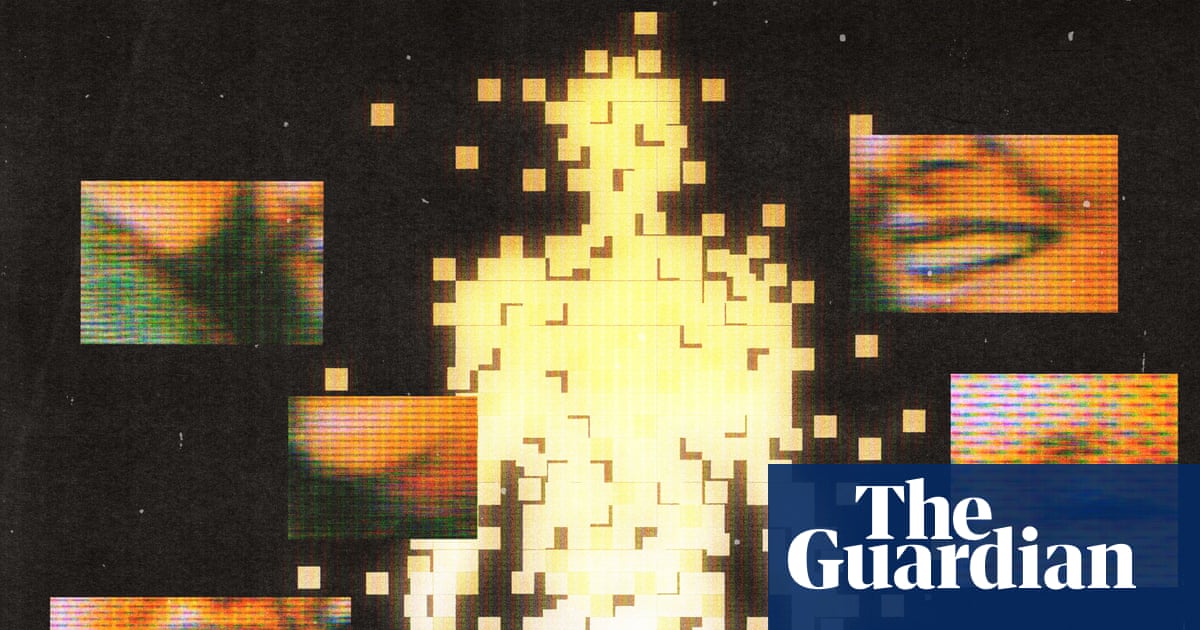
Loading the full article…
This text was published by The Guardian AI and written by Alaina Demopoulos. It is reproduced here with attribution so you can read it in full; the rights remain with the publisher. Read it at the source ↗
The headline, key points and digest above were generated by Digest AI's editorial model from the linked sources. Automated summaries can contain errors: the sources are the record. Spotted a mistake? Tell us. Published by Martin K., who runs Digest AI and handles corrections.
More in Society & Work
All →- Mediapart president says AI threatens democracy and calls for collective action · 1 src
- Researchers build Real-time romance scam chatbot using Line API · 1 src
- Google Gemini AI predicts Bitcoin could reach $175,000 by January 1, 2027 · 1 src
- Dwarkesh Patel predicts AI handles all economic work by 2030 · 1 src
- OpenAI engineer Abdulrahman Alfozan arrested for allegedly planting recording device · 39 src
Comments
via GitHub Discussions