Gen Z leverages AI tools to secure higher-value freelance projects
A new trend is emerging as Generation Z integrates AI assistants like ChatGPT, Claude, and Perplexity into their professional workflows, moving beyond basic academic use to drive income in the gig economy. Rather than simply copying and pasting outputs, these young professionals are using AI to handle complex research, coding, and document review, allowing them to deliver high-quality work that…
Key points
- Gen Z freelancers use AI tools to deliver senior-level work, securing higher-value gig projects.
- Jagran NEXT hosts a September 26 bootcamp teaching practical AI workflows for income generation.
- Experts emphasize that spotting AI errors and packaging output is key to professional success.
To address the growing demand for these practical skills, Jagran NEXT is hosting a live, three-hour bootcamp on September 26. The session focuses on hands-on training with over 10 AI tools, freelance scaling strategies, and methods for enhancing client deliverables. The curriculum is designed to help participants transition from casual AI experimentation to professional proficiency, emphasizing the ability to identify AI errors and package results effectively for commercial use.
The workshop features a panel of experienced experts, including Urvashi Kapoor, a Google-certified trainer and media literacy head; Aayush Garg, an AI researcher with contributions to NASA and the UN; and Satyajeet Dutta, a veteran with 23 years of operational experience. The initiative highlights a broader shift in the labor market where the ability to collaborate with AI, rather than compete against it, is becoming a key differentiator for early-career professionals seeking to establish sustainable remote income streams.
Beyond the Classroom: How Gen Z is Using AI Tools like ChatGPT and Claude to Dominate the Gig Industry
jagranjosh.com · 16 September 2026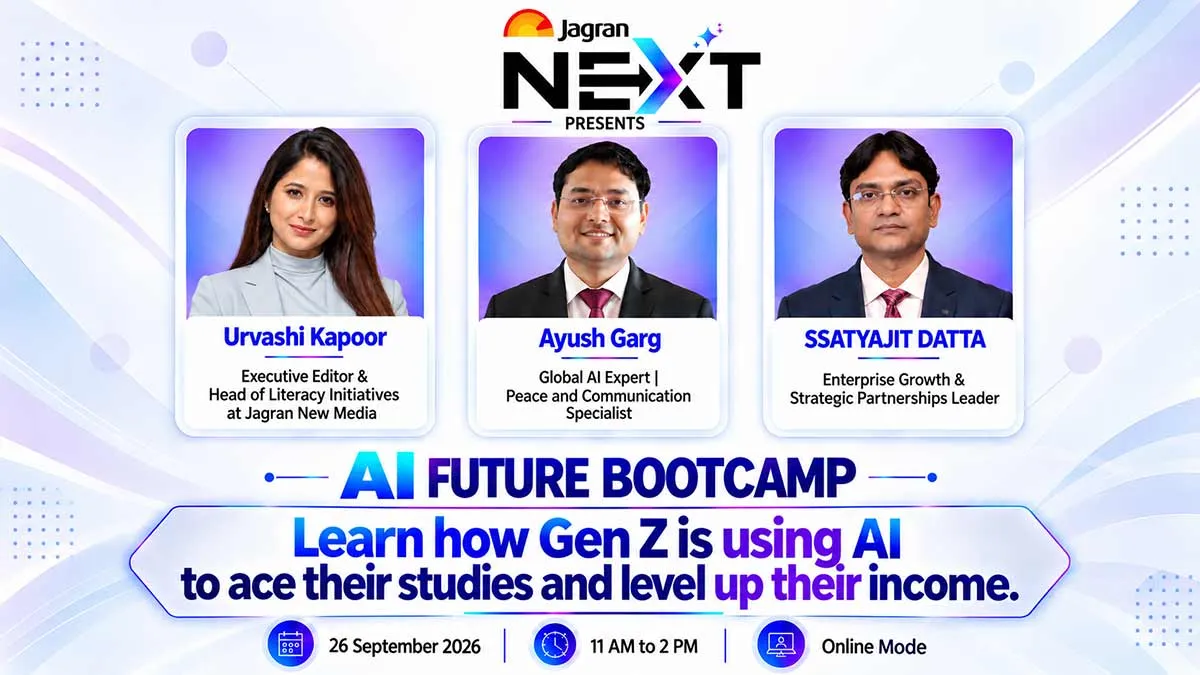
Every big tech shift creates a rush of opportunity, and Gen Z tends to get there first. The generation before them figured out personal computers and the early internet — building software, launching apps, learning to code their way into better jobs. Now it's AI's turn, and young people aren't just experimenting with it. They're building careers around it.
ChatGPT, Perplexity, and Claude have quietly become part of daily life for students and young professionals alike. Not just for writing essays or answering quick questions, either. People are using these tools for real research, coding help, document review, and working through problems that used to require a senior colleague's input.
The shift here is worth noticing: it's not about typing prompts and copy-pasting outputs anymore. It's about using AI to actually think through problems and turn that thinking into something a client will pay for. Freelancers and gig workers who've figured this out are landing higher-value projects — sometimes from clients who wouldn't have looked twice at them a year ago.
Jagran NEXT Is Running a Live Bootcamp to Teach This Properly
If you've been meaning to get past the "asking ChatGPT for essay help" stage and actually learn how to use AI for income, Jagran NEXT has put together something worth your time: the AI Future Bootcamp. It's a live, hands-on session built to close the gap between knowing AI tools exist and knowing how to actually use them for paid work.
Here's what you need to know:
- Date & Time: September 26, 11:00 AM – 2:00 PM (IST)
- Format: 3-hour interactive online workshop
- What you'll cover: Practical training on 10+ AI tools, freelance scaling strategies, and ways to sharpen client deliverables so they actually stand out
Three hours is enough time to move past the basics and into workflows you can use the same week.
Who's Teaching It
The session isn't led by generic "AI influencers." The people involved have actual track records:
Urvashi Kapoor — Executive Editor and Head of Literacy Initiatives at Jagran New Media. She's a Google-certified trainer, named to the "40 Under 40 in Journalism" list, and her focus areas are GenAI, media literacy, and fact-checking — which matters a lot when so much AI-generated content needs a second look before it's trusted.
Aayush Garg — A global AI expert whose work touches peace and communication strategy, with contributions to NASA, the G20, the UN, and the India AI Impact Summit. He's also a Gold Medalist in novel AI research, so this isn't someone speaking from theory alone.
Satyajeet Dutta — 23 years in the industry, covering mission-critical operations, secure examination systems, Six Sigma process work, and enterprise growth. He brings the operational side — how this stuff actually scales in a business, not just on a laptop.
Why This Matters Right Now
AI is already handling the grunt work — data entry, scheduling, document reviews — and it's doing it with fewer errors than a tired human at 6 PM on a Friday. That's not a threat to your job if you know how to work alongside it. It's an opening
The people getting ahead right now aren't the ones with the most technical background. They're the ones who learned to ask better questions, spot where AI gets things wrong, and package the output into something a client actually wants to pay for.
That's exactly what this bootcamp is built around: giving students and professionals the skills to turn AI tools into an actual income stream, working from home, without needing years of prior experience to get started.
This text was published by jagranjosh.com and written by Mohd Salman. It is reproduced here with attribution so you can read it in full; the rights remain with the publisher. Read it at the source ↗
The headline, key points and digest above were generated by Digest AI's editorial model from the linked sources. Automated summaries can contain errors: the sources are the record. Spotted a mistake? Tell us.
More in Society & Work
All →- Programmers grapple with skill gaps as LLMs reshape software development · 1 src
- AI tools transform cricket analysis, talent pathways and umpiring decisions · 1 src
- OpenAI and AARP launch road tour to teach older Americans how to use AI against scams · 1 src
- Satirical cartoon questions AI existential risk narratives · 1 src
- User switches from AI-cluttered Gmail to open-source Thunderbird on Android · 1 src
Comments
via GitHub Discussions