Oversight Board Criticizes Meta’s AI Deepfake Rules
The Oversight Board has once again criticized Meta for inadequately handling AI-generated content on its platforms. In two recent cases, the board found that Meta's rules were 'consistently and fundamentally inadequate.' One case involved a Scottish politician whose voice was replicated in an AI-generated video saying controversial remarks. Another instance featured an interview with a menstrual…
Key points
- Oversight Board criticizes Meta's AI rules
- Two cases involve AI-generated videos of politicians and advocates
- Videos were not labeled as AI-generated despite controversy
Oversight Board says Meta's rules for AI deepfakes are 'consistently and fundamentally inadequate'
engadget.com · 17 September 2026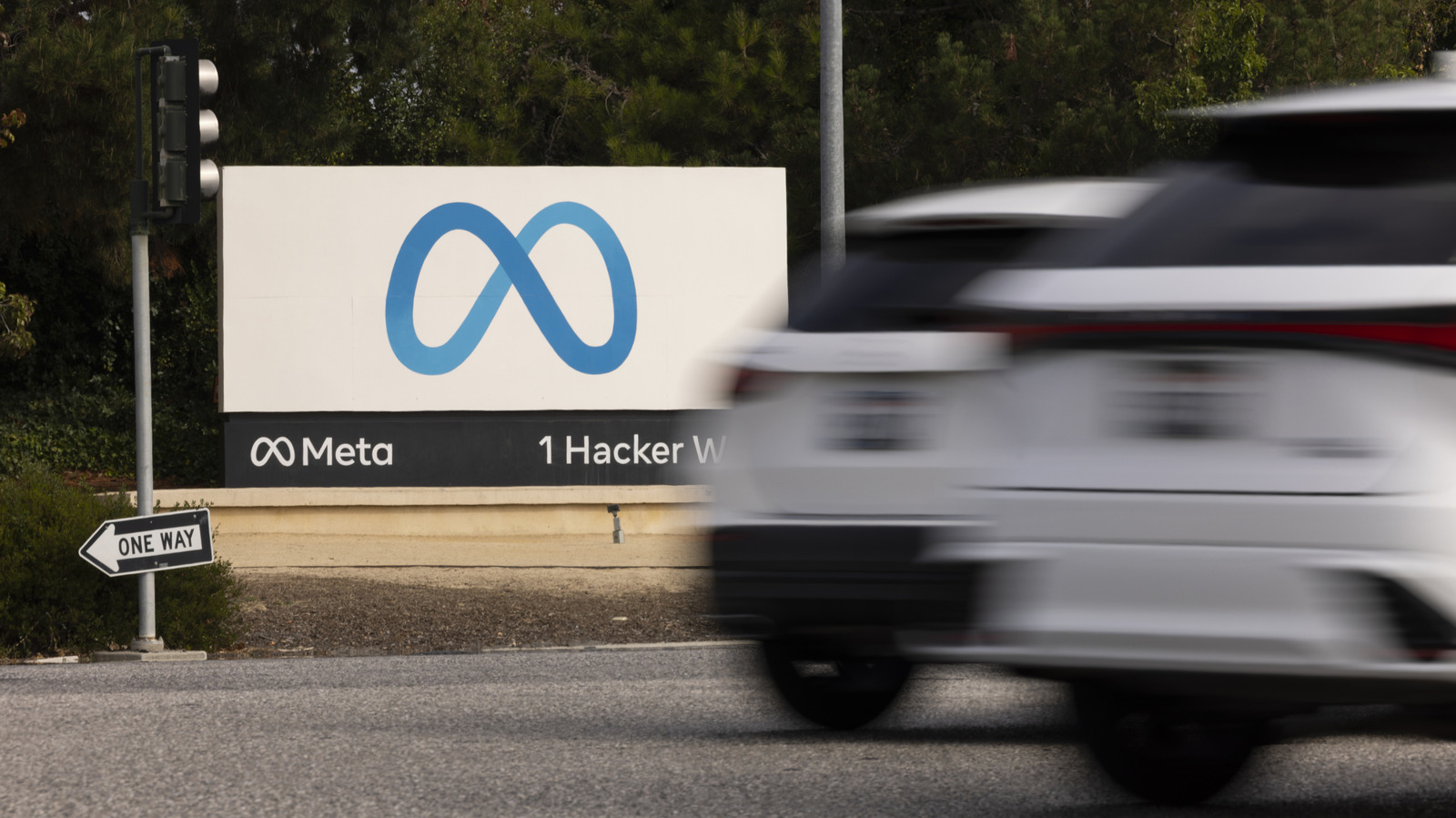
Oversight Board says Meta's rules for AI deepfakes are 'consistently and fundamentally inadequate'
The group has repeatedly criticized the company's handling of AI-generated material.
The Oversight Board is once again pushing Meta to address the flood of AI-generated content on its platform. The group published its two latest decisions dealing with the social media company's handling of AI content. The cases show that Meta's rules are "consistently and fundamentally inadequate to address the rapid rise of AI-generated content on its platforms," the board said in a statement.
Both cases were related to posts with AI-generated videos. One depicted a Scottish politician saying "refugees are welcome here, even if they rape our women, because white people do that too." The video was a "realistic" but synthetic portrayal, according to the Board. And the politician whose voice was replicated said the effect of the video was "quite traumatic."
Meta told the board that it didn't remove the video when it was reported because it hadn't been flagged by any of its "trusted partner" organizations and because it didn't seem to be interfering with voting or other processes. The video was also not labeled as AI-generated, apparently because the person who posted it didn't choose to disclose it was made with AI.
The Oversight Board said that the video should have been removed for breaking Meta's hateful conduct rules, and that it should have been prominently labeled as AI.
The other case also features an AI-generated video of a real person. The video was based on a TV interview with a volunteer who was promoting menstrual health education. Some time after the initial interview, "accounts across social media platforms digitally manipulated the interview footage to ridicule her" and those videos went viral.
According to the board, Meta automatically closed a report and subsequent appeal about the post, which was never labeled as AI-generated. Meta removed the video for breaking its rules around bullying only after the Oversight Board got involved.
The group says that both cases highlight how AI content is being used to target people on its platforms and that the lack of consistent labeling is causing additional harm. "From politicians to private citizens, AI-generated deepfakes are increasingly being used to harass and silence women from engaging in public discourse," Oversight Board Co-Chair Pamela San Martin said in a statement. "These cases demonstrate a broader, troubling pattern in which women who engage publicly on issues are disproportionately subjected to harassment and misinformation."
The Oversight Board's criticism is unsurprising. The group, which makes policy recommendations to Meta, has repeatedly criticized the company for its approach to AI content and urged for new rules. The bigger question is whether Meta really cares about the board's perspective on this issue. The company has so far made few changes to its AI labels, which typically consist of a small banner that says "AI Info." The company hasn't agreed to implement many of the board's recommendations on AI labeling in other recent cases.
Meta didn't respond to a request for comment on the board's latest comments. But the company has 60 days to respond to its latest recommendations, including that it prioritize likely AI content for review when it's reported.
This text was published by engadget.com and written by Karissa Bell. It is reproduced here with attribution so you can read it in full; the rights remain with the publisher. Read it at the source ↗
The headline, key points and digest above were generated by Digest AI's editorial model from the linked sources. Automated summaries can contain errors: the sources are the record. Spotted a mistake? Tell us.
More in Policy & Regulation
All →- OpenAI reveals six new AI misalignment incidents and launches reporting framework · 14 src
- Critics warn AI lab coordination proposals risk antitrust violations and safety · 19 src
- Microsoft AI CEO warns Anthropic's model rights approach risks alignment failures · 8 src
- METR’s $71M Funding Raises Questions About Its Independence From Anthropic · 1 src
- Florida Board of Education Approves Sweeping AI Regulations for Public Schools · 1 src
Comments
via GitHub Discussions