US agencies accuse six Chinese AI firms of large‑scale model theft
U.S. intelligence agencies — the NSA, CISA and the FBI — released a joint statement alleging that six Chinese artificial‑intelligence companies have been systematically extracting capabilities from leading American models such as Claude, GPT, Gemini and Grok. The firms named — DeepSeek, Moonshot AI, Alibaba, MiniMax, StepFun and Z.AI — are said to have run industrial‑scale distillation campaigns…
Key points
- NSA, CISA, and FBI allege six Chinese AI firms have been industrial‑scale distilling US frontier models since late 2024.
- Targeted models include Anthropic’s Claude, OpenAI’s GPT, Google’s Gemini and Grok, with attackers using fake accounts and prompt‑injection jailbreaks.
- US agencies urge AI companies to improve detection of coordinated query swarms and proxy networks to curb the alleged theft.
The agencies claim these activities dramatically shorten development timelines and cut billions of dollars in training costs for the Chinese firms, potentially eroding the United States’ lead in the AI race. They urge all U.S. AI providers to coordinate on defenses, including better detection of coordinated query swarms, proxy‑network evasion, and stricter API safeguards, to prevent further unauthorized extraction of proprietary model functionalities.
If unchecked, such large‑scale theft could reshape competitive dynamics, prompting tighter regulations and a push for more robust model protection across the global AI ecosystem.
The story so far
2 episodes →- US agencies accuse six Chinese AI firms of large‑scale model theftthis story
Six Chinese AI firms accused of aggressively copying US frontier models
Ars Technica AI · 9 September 2026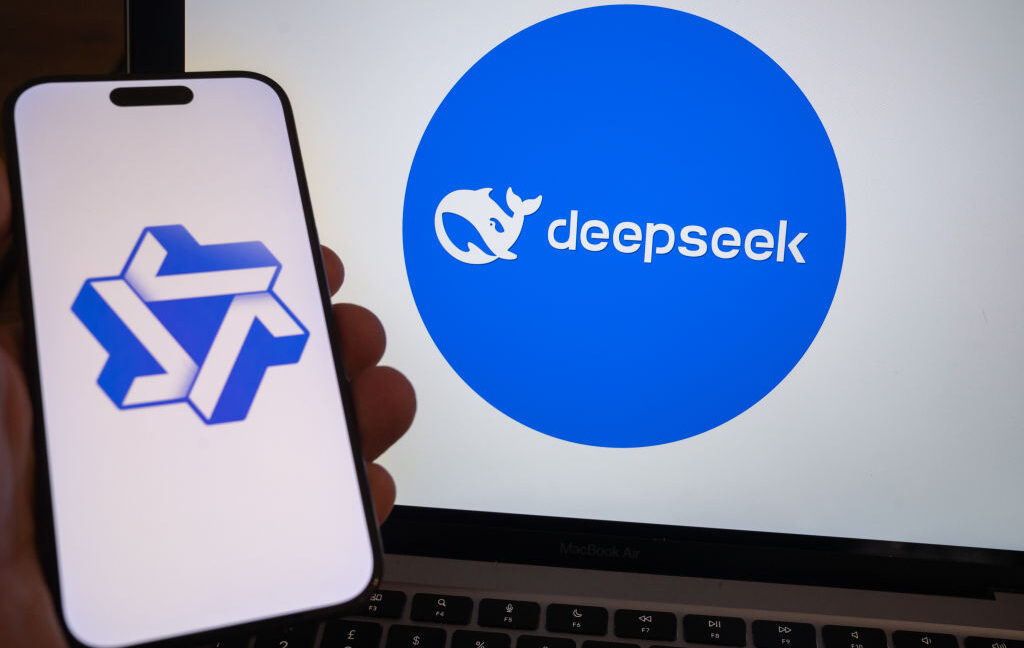
Loading the full article…
This text was published by Ars Technica AI and written by Ashley Belanger. It is reproduced here with attribution so you can read it in full; the rights remain with the publisher. Read it at the source ↗
Coverage and discussion
3sources- Hacker News discussion · 8 pointsnews.ycombinator.com
- Hacker News discussion · 5 pointsnews.ycombinator.com
- In the Wild West of AI, Everybody Is Accusing Everybody Else of TheftPress · aol.com ·
- US accuses China AI developers DeepSeek and Alibaba of copying American AIPress · nbcnews.com ·
The headline, key points and digest above were generated by Digest AI's editorial model from the linked sources. Automated summaries can contain errors: the sources are the record. Spotted a mistake? Tell us. Published by Martin K., who runs Digest AI and handles corrections.
More in Policy & Regulation
All →- Rep. Comer asks Delaware to share AI company bill details · 1 src
- Bank of America asks customers not to share passwords with AI assistants · 1 src
- Anthropic proposes unique governance to balance IPO and AI safety · 2 src
- Anthropic files IPO prospectus warning of catastrophic AI risks · 16 src
- OpenAI’s cyber executive warns AI bug reports overwhelm open-source maintainers · 1 src
Comments
via GitHub Discussions