AI infrastructure growth may hit supply chain limits at sub-tier suppliers
A manufacturing expert argues that the next bottleneck for AI infrastructure will not be chip production or data center power, but the upstream supply chain.
Key points
- Bottlenecks appear at sub-tier suppliers before factory capacity runs out
- Specialized components and materials limit AI infrastructure scaling more than total volume
- AI-driven platforms offer visibility and optionality to manage supply chain risk
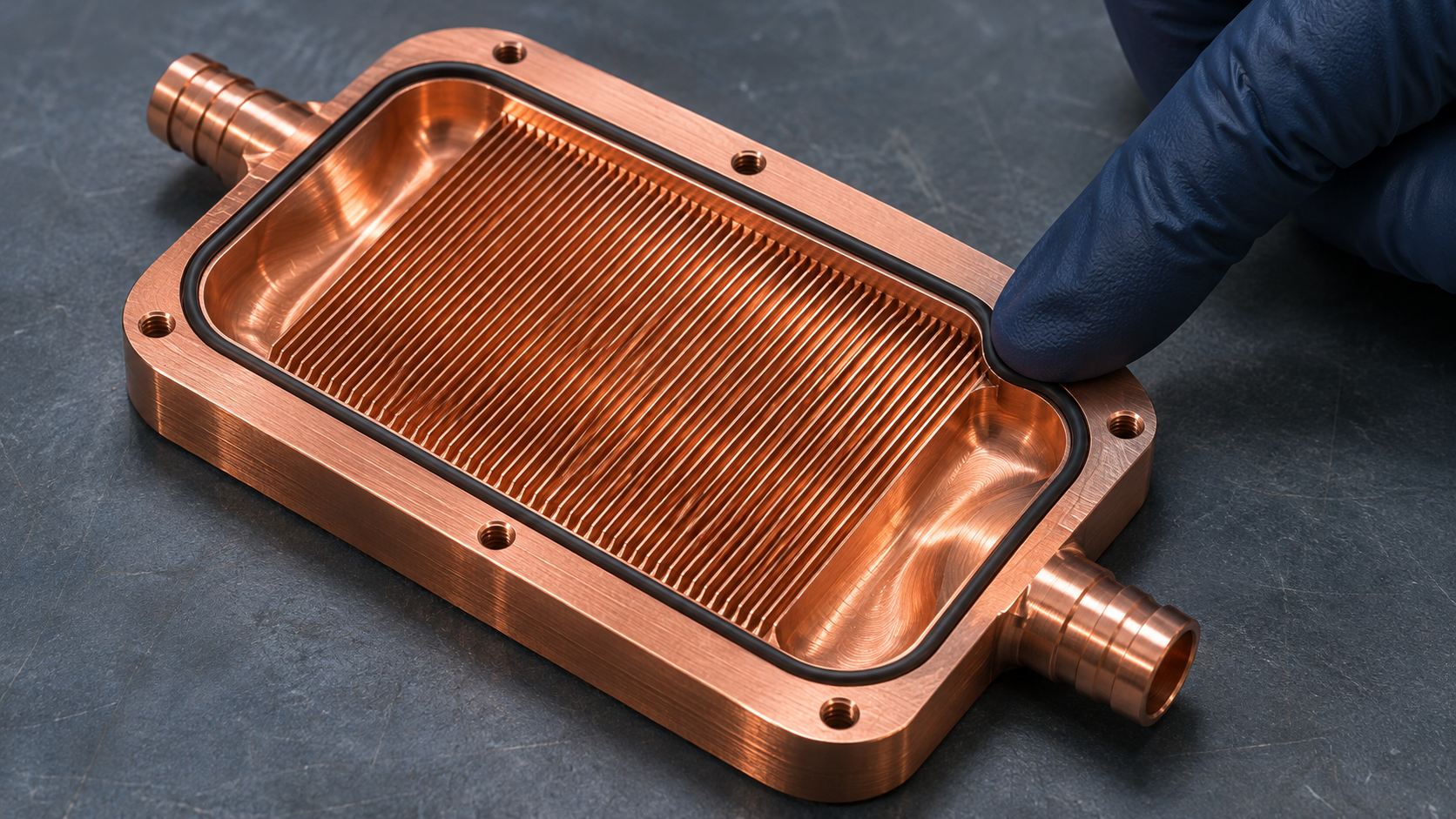
While factories may have open capacity, production often stalls due to delays in specialized components like precision bearings, specific alloys, and custom gaskets. These constraints appear at sub-tier suppliers long before factory limits are reached.
The article identifies three key constraints: specialized components (such as liquid cooling hardware), specific material grades (copper, aluminum), and manufacturing processes requiring skilled labor and long lead times. It suggests that total manufacturing volume matters less than these scarce capabilities. To manage risk, manufacturers should segment inputs by criticality rather than cost and use AI-driven digital platforms to gain real-time visibility into supplier capacity and lead times. This approach allows for better optionality and faster decision-making than traditional inventory stockpiling.
The headline, key points and digest above were generated by Digest AI's editorial model from the linked sources. Automated summaries can contain errors: the sources are the record. Spotted a mistake? Tell us. Published by Martin K., who runs Digest AI and handles corrections.
More in Hardware & Compute
All →- Applied Optoelectronics signs $2.2B AI optics supply deal · 1 src
- OpenAI says its models cut AMD chip design time by a year · 2 src
- RoboSense aims for over one million LiDAR units in Q4 as robotics shipments jump 423% · 1 src
- SpaceX reportedly cuts Nvidia Blackwell chip rents 20% to 35% to $10-$12 per hour · 1 src
- Adaspace completes full-parameter AI training in orbit · 1 src
Comments
via GitHub Discussions