Authors report surge in fake literary deals and scam emails from agents
Authors worldwide are experiencing an explosion of fake literary deals and scam emails, often targeting their ego and financial security. The scams involve impersonated agents, book clubs, and publishing houses, with requests for fees ranging from $55 to over $100,000. Many scammers use AI-generated emails and fake profiles to appear legitimate, exploiting the trust of authors—especially older…
Key points
- Scammers target authors with fake book clubs, agents, and publishing deals, requesting fees from $55 to $100,000+
- Organised networks in Pakistan, Philippines, and Nigeria use AI-generated emails and fake profiles to impersonate real entities
- Authors report receiving tailored pitches via manipulated search results and fake websites, often leading to financial loss
Fake film deals and emails from top agents: who is behind the explosion in literary scams?
theguardian.com · 29 October 2026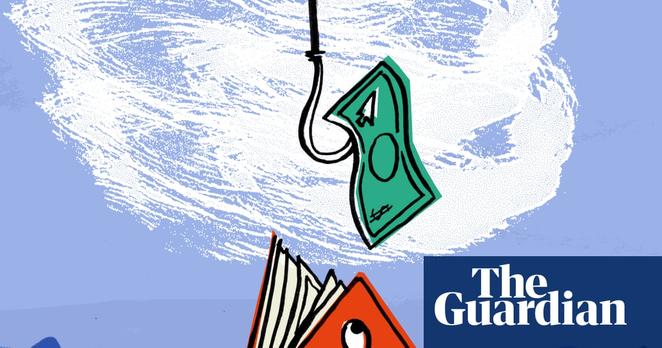
Loading the full article…
This text was published by theguardian.com and written by Snigdha Poonam. It is reproduced here with attribution so you can read it in full; the rights remain with the publisher. Read it at the source ↗
The headline, key points and digest above were generated by Digest AI's editorial model from the linked sources. Automated summaries can contain errors: the sources are the record. Spotted a mistake? Tell us. Published by Martin K., who runs Digest AI and handles corrections.
More in Society & Work
All →- US computer science enrollment drops 12%+ for undergrads 10%+ for grads AI cuts jobs · 1 src
- New York Times adds more AI features to its Cooking app. Users aren't thrilled · 1 src
- Bill Gates says 20‑year transition to AI abundance is his big concern · 1 src
- Instagram head says AI frustration is going to get worse · 1 src
- IEEE Spectrum highlights systems thinking as key to human-AI engineering collaboration · 1 src
Comments
via GitHub Discussions