Crypto and AI PACs spent $250M on midterms, mostly backing losers
Crypto and AI super PACs spent a combined $250 million in the 2026 midterms, but most of that money backed candidates who lost in competitive races. Crypto groups, led by Fairshake, spent $170 million, with 84% of their $82.2 million in competitive general election spending going to the losing side. Key losses included Sherrod Brown in Ohio, who retained his Senate seat despite $64 million in…
Key points
- Crypto PACs spent $170M, with 84% of competitive general election funds backing losing candidates.
- AI PACs spent $80M, split between pro-innovation and pro-regulation groups, with mixed results.
- Key crypto allies lost seats, including Bryan Steil and Bill Huizenga, weakening industry influence.
AI industry PACs spent about $80 million, split between pro-innovation groups like Leading the Future and pro-regulation groups like Public First. Leading the Future spent $8.2 million to defeat Alex Bores in New York, but he lost to a rival with a similar platform. Public First spent $13.2 million backing Bores in the primary, also a loss. Both industries are now claiming victory by counting safe wins, but their leverage in Congress has diminished as Democrats take control of key committees, including Senate Banking and House Financial Services.
The article notes that both industries are quietly rewriting their strategies after tying themselves to a Republican wave that did not materialize. Crypto executives, including Coinbase CEO Brian Armstrong, have been notably silent compared to 2024, while AI PACs face internal backlash over spending on controversial candidates. The next Congress will likely be more hostile to both industries, with figures like Elizabeth Warren and Maxine Waters leading oversight committees.
How crypto and AI lost the midterms, and why they say they didn’t
citationneeded.news · 13 November 2026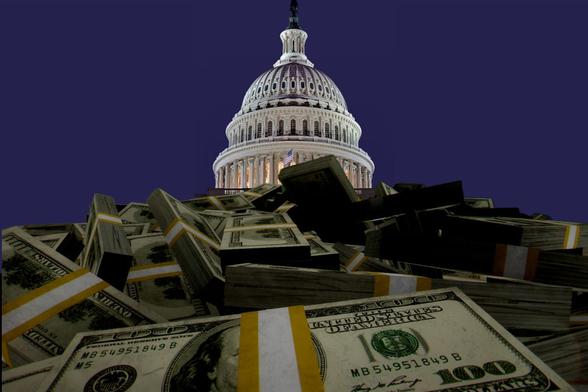
Loading the full article…
This text was published by citationneeded.news and written by Molly White. It is reproduced here with attribution so you can read it in full; the rights remain with the publisher. Read it at the source ↗
The headline, key points and digest above were generated by Digest AI's editorial model from the linked sources. Automated summaries can contain errors: the sources are the record. Spotted a mistake? Tell us. Published by Martin K., who runs Digest AI and handles corrections.
More in Policy & Regulation
All →- Wang: Super Intelligence Arrived; Musk — Singularity · 2 src
- U.S. probes Megaspeed and former executive Alice Huang in Nvidia chip case · 3 src
- LeCun accuses Amodei of pushing for open AI model bans to retain control · 1 src
- Oregon and Virginia sue SpaceX over Grok Imagine’s ‘spicy mode’ for sexualized images · 2 src
- Trump threatens tax on US firms building data centers abroad · 4 src
Comments
via GitHub Discussions