Google AI may detect high blood pressure via smartwatch sensors, study says
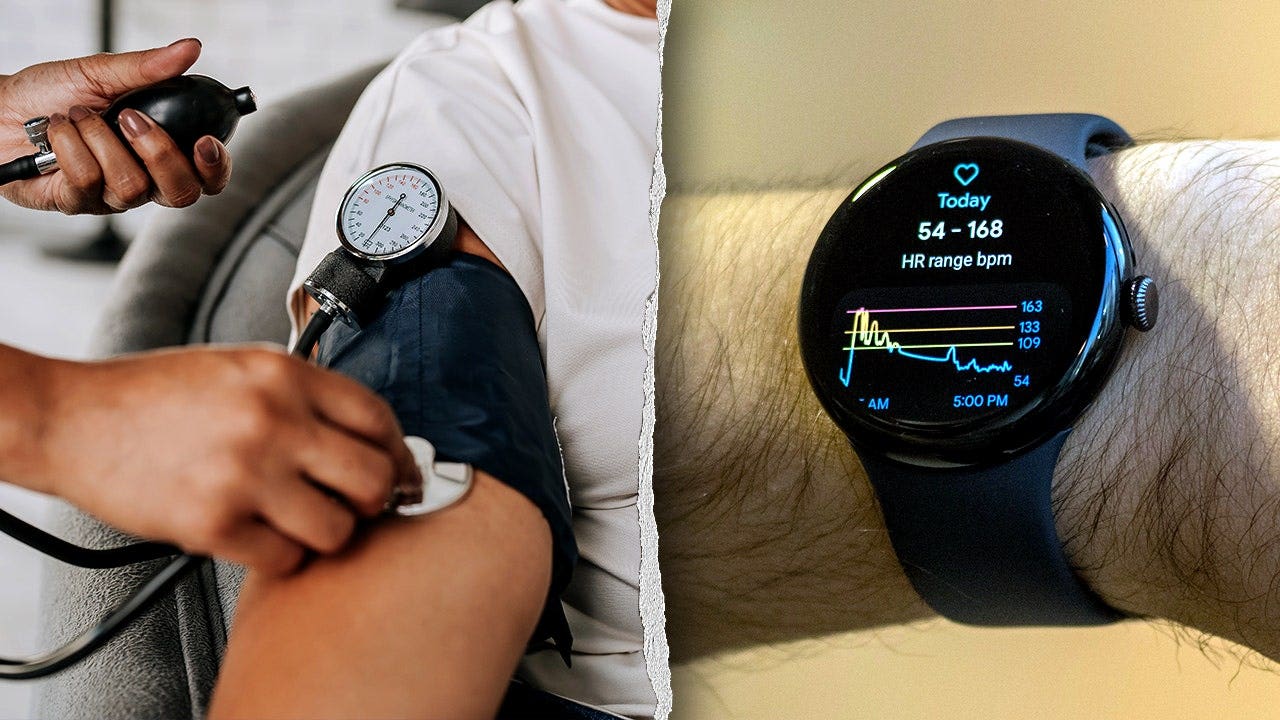
Google Research, in collaboration with Beth Israel Deaconess Medical Center and Harvard Medical School, published a study in Nature describing an AI system that identifies signs of hypertension using standard smartwatch sensors.
Key points
- Google AI uses smartwatch light and movement sensors to estimate hypertension risk without a cuff.
- Study of 196 people found AI missed roughly one in three participants with hypertension.
- Current Pixel Watch blood pressure trends are for wellness only and cannot diagnose conditions.
The system analyzes photoplethysmography (light-based blood volume) and accelerometer (movement) data over multiple days, combined with user height, to estimate the likelihood of sustained high blood pressure without requiring a traditional cuff.
In a clinical trial involving 196 participants across five U.S. locations, the AI’s initial screening results were comparable to office-based screenings, though the difference was not statistically significant. The system correctly identified 78.4% of a smaller subgroup with confirmed ongoing hypertension and ruled out the condition in 90.9% of those without it. However, the AI missed roughly one in three participants with hypertension during the initial screening phase.
While Google has not announced plans to commercialize this specific diagnostic tool, its existing Pixel Watch Health Guardian features include a blood pressure trends assessment available on Pixel Watch 3, 4, and 5 models. Google emphasizes that current consumer features are for wellness only and cannot diagnose hypertension or replace medical advice.
The headline, key points and digest above were generated by Digest AI's editorial model from the linked sources. Automated summaries can contain errors: the sources are the record. Spotted a mistake? Tell us. Published by Martin K., who runs Digest AI and handles corrections.
More in Research
All →- Benchmark shows models fail on idioms, local knowledge despite Reasoning gains · 1 src
- Two groups verify Levent Alpöge's Claude-assisted Riemann hypothesis proof · 6 src
- Google DeepMind cuts quantum circuit costs with Gemini 4 agents · 2 src
- AI math proofs need human explanation to become knowledge, essay argues · 1 src
- The birthday paradox shows small LLMs pick from about 6 of 40 words · 1 src
Comments
via GitHub Discussions