GPT-6 Astra and Claude Opus 5.5 compared on pixel art game task
A content creator tested two frontier AI models, GPT-6 Astra and Claude Opus 5.5, by giving them the exact same prompt to generate a browser-based game. The task required creating a Japanese-style pixel art game featuring a ninja with a fox mask running through a night stage with torii gates, will-o'-the-wisps, and lightning. The prompt specified detailed constraints, including the use of only…
Key points
- GPT-6 Astra and Claude Opus 5.5 received identical prompts to build a Japanese-style pixel art game.
- The game required HTML, CSS, and JavaScript, featuring a ninja, torii gates, and specific night scenery.
- Playability differed between models in character movement, atmosphere, and obstacle patterns despite similar code.
The creator focused on how well each model translated detailed instructions into a playable state, rather than just code length. Both models produced elaborately crafted code, but the actual gameplay experience differed in fine details such as character movement, stage atmosphere, and obstacle spawn patterns. The author noted that in AI code generation, the ability to interpret complex instructions into functional movement is a key differentiator.
The results are available as video links for both versions. The creator emphasizes that while the code may look similar, the playable output reveals distinct differences in execution. This test highlights the current capabilities of large language models in handling multi-step creative coding tasks with specific aesthetic and mechanical requirements.
Model pages: GPT-6 Astra → · Claude Opus 5.5 →
GPT-6 Astra vs. Claude Opus 5.5: I had them create pixel art games using the same prompt
note.com · 24 September 2026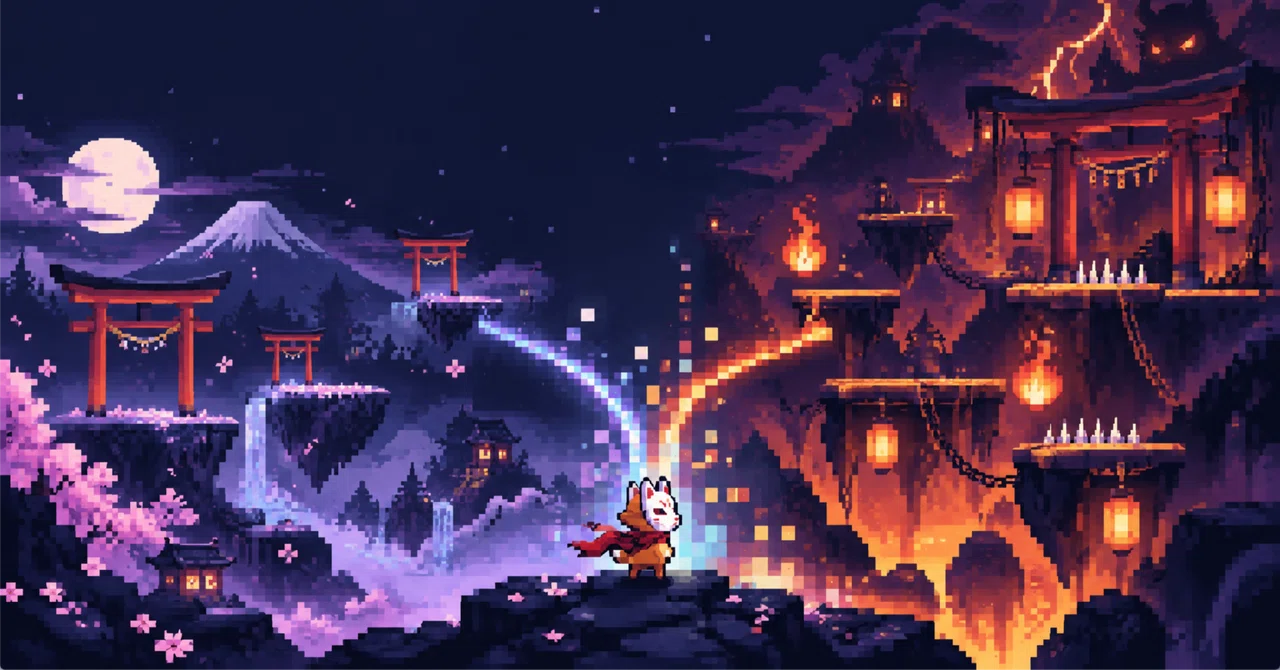
Loading the full article…
This text was published by note.com and written by HIX AI 公式(ヒックスAI). It is reproduced here with attribution so you can read it in full; the rights remain with the publisher. Read it at the source ↗
The headline, key points and digest above were generated by Digest AI's editorial model from the linked sources. Automated summaries can contain errors: the sources are the record. Spotted a mistake? Tell us. Published by Martin K., who runs Digest AI and handles corrections.
More in Generative AI & Models
All →- OpenAI releases ChatGPT Images 2.5 with sketch, point, and template tools · 4 src
- FreedomIntelligence releases HuatuoGPT-3 multimodal model on Hugging Face · 1 src
- PrismML launches 1-bit Bonsai LLM for Qualcomm smart glasses · 1 src
- BottleCap AI cuts Qwen3.8-27B’s reasoning tokens by 37.2% with ThinkingCap-Qwen3.8-27B · 1 src
- What has changed with GPT-6 Astra? Basic specifications of the new model that supports 'thinking, researching, and creating' in ChatGPT · 2 src
Comments
via GitHub Discussions