Interaxon trains AI model on 50,000 hours of EEG data
Interaxon, the maker of the Muse headband, has used about 50,000 hours of electroencephalography recordings to train an AI model, removing names, emails and addresses before use. The company updated its privacy policy after an investigation by uScience and the Pulitzer Center’s AI Accountability Network, which found that many wearable EEG firms had not disclosed such use.
Key points
- Interaxon trained an AI model on about 50,000 hours of EEG data, removing identifying info.
- More than two‑thirds of studied companies allowed corporate data transfers without user consent, raising privacy concerns.
The investigation also revealed that more than two‑thirds of the companies studied allowed corporate transfers of data without user consent. Meta’s BrainQwerty BCI improved word‑accuracy to 61 % from 40 %.
These findings raise privacy concerns for consumers of wearable brain‑wave devices and highlight the need for clearer data‑use disclosures in the growing neurotechnology market.
Wearable sleep trackers are using your brainwaves to train AI models without explicit user consent
Tom's Hardware · 9 November 2026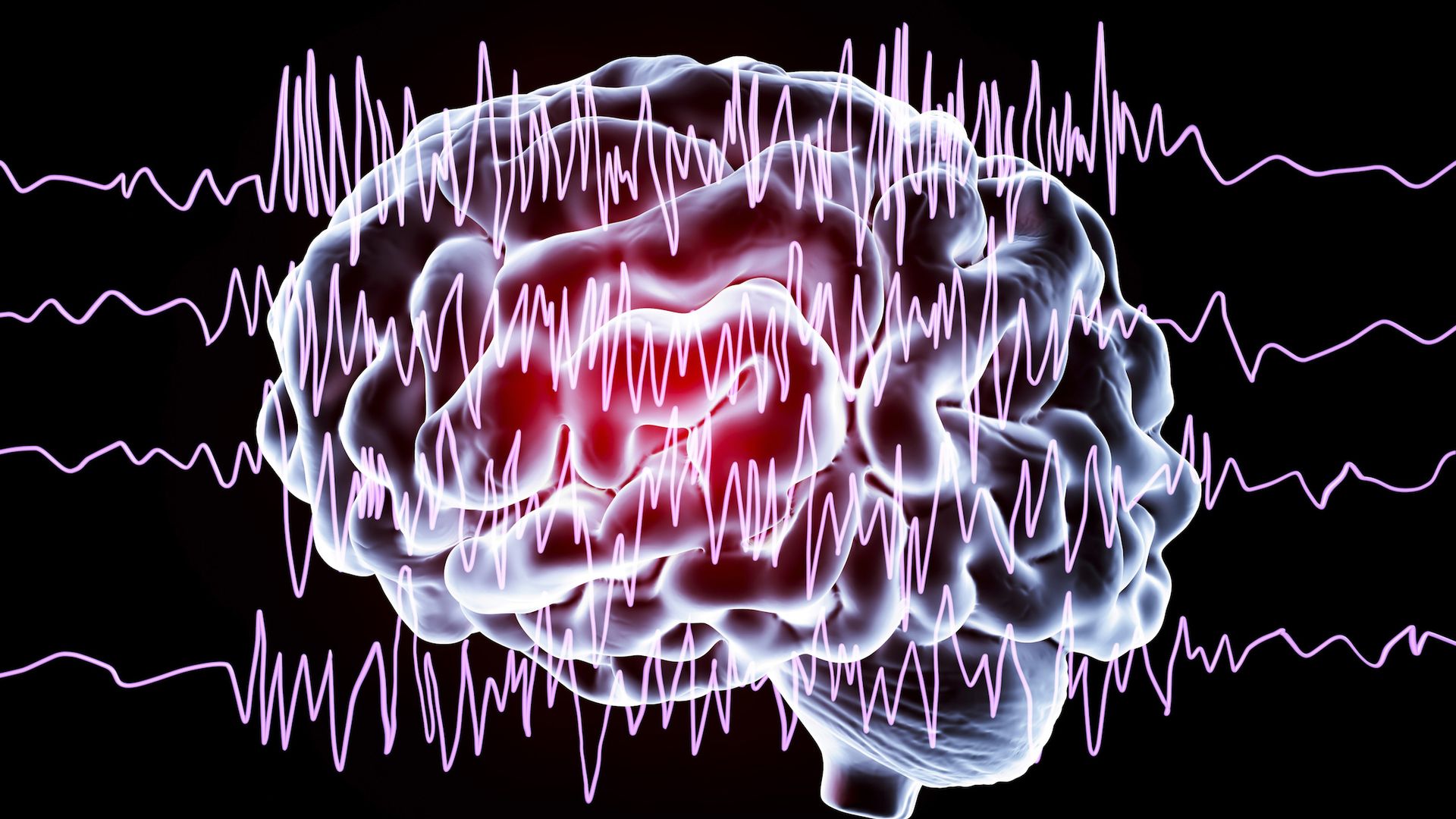
Loading the full article…
This text was published by Tom's Hardware and written by Newton Gitonga. It is reproduced here with attribution so you can read it in full; the rights remain with the publisher. Read it at the source ↗
Coverage and discussion
1source- Hacker News discussion · 19 pointsnews.ycombinator.com
The headline, key points and digest above were generated by Digest AI's editorial model from the linked sources. Automated summaries can contain errors: the sources are the record. Spotted a mistake? Tell us. Published by Martin K., who runs Digest AI and handles corrections.
More in Policy & Regulation
All →- Wang: Super Intelligence Arrived; Musk — Singularity · 2 src
- U.S. probes Megaspeed and former executive Alice Huang in Nvidia chip case · 3 src
- LeCun accuses Amodei of pushing for open AI model bans to retain control · 1 src
- Oregon and Virginia sue SpaceX over Grok Imagine’s ‘spicy mode’ for sexualized images · 2 src
- Trump threatens tax on US firms building data centers abroad · 4 src
Comments
via GitHub Discussions