Linux fixes ancient AMD GPUs: UVD bug resolved after nearly two decades
A newly accepted kernel patch for the upcoming Linux 7.5 release has finally addressed a long-standing hardware video decoding issue on AMD's R600 architecture, which dates back to cards released in 2007.
Key points
- Linux patch resolves UVD bug on ancient AMD GPUs
- Fix addresses visual corruption during video playback
- R600 architecture transitioned from separate pixel and vertex pipelines
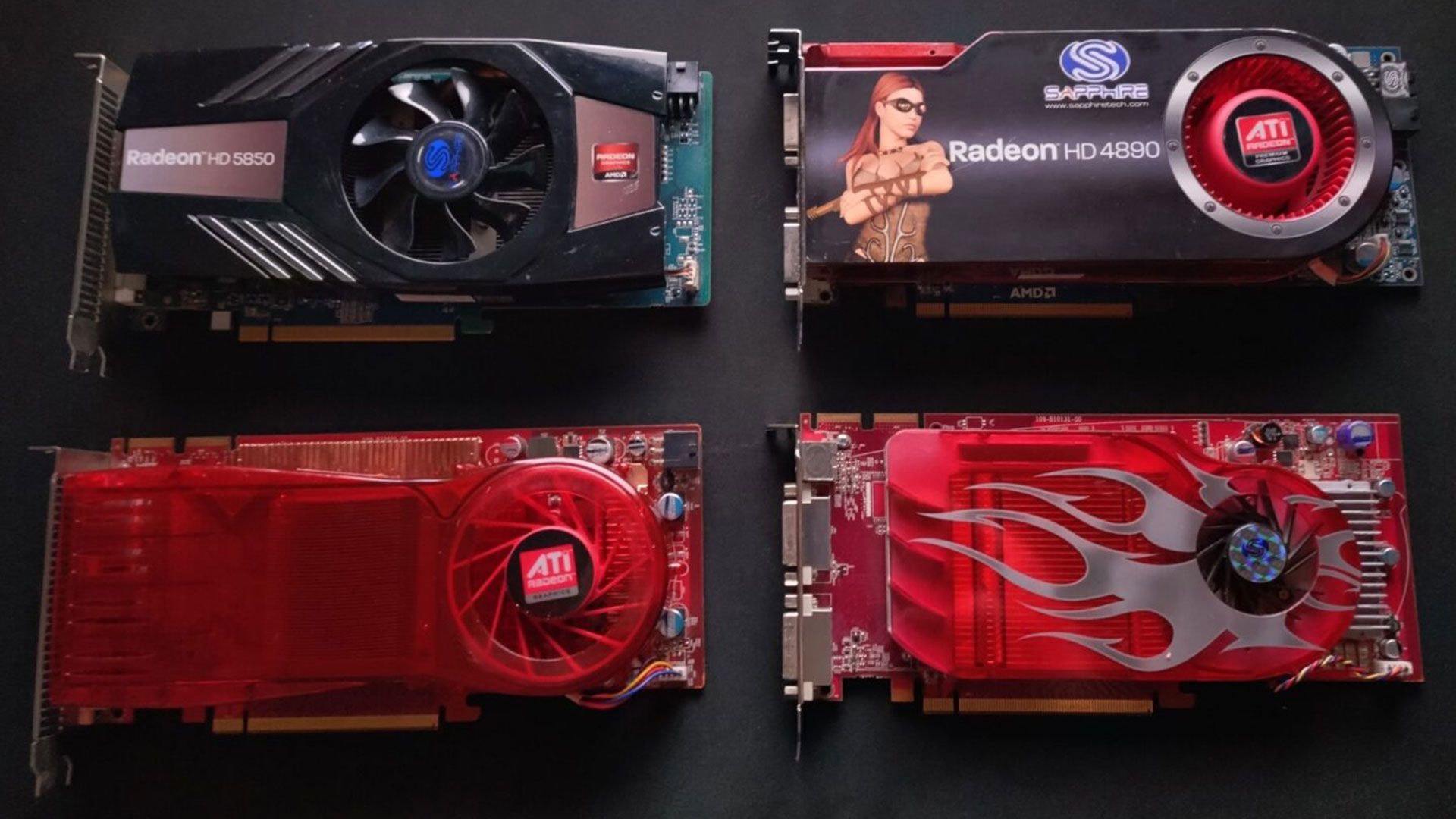
The Unified Video Decoder (UVD) engine across the RV610, RV620, RV630, RV635, and RV670 silicon families has been fixed, resolving visual corruption during hardware-accelerated video playback on these ancient GPUs. This breakthrough was achieved through an AI-assisted approach using OpenAI's Codex to untangle the legacy driver path, specifically by ensuring that UVD input buffers stay in VRAM, a behavior already enforced for other chip families. The R600 generation marked a significant transition for AMD graphics, introducing unified shader architecture and Unified Video Decoder (UVD) technology, which allowed even budget PCs to handle heavy video decoding tasks. Despite the fact that modern integrated graphics have largely replaced these GPUs, open-source Linux drivers continue to support them, indicating their longevity in software maintenance.
The headline, key points and digest above were generated by Digest AI's editorial model from the linked sources. Automated summaries can contain errors: the sources are the record. Spotted a mistake? Tell us. Published by Martin K., who runs Digest AI and handles corrections.
More in Hardware & Compute
All →- Nothing unveils Ear Note AI earbuds with transcription and agent support · 3 src
- OpenAI and Cisco release Shirudo runtime to block AI-driven Linux exploits without reboots · 5 src
- Applied Optoelectronics signs $2.2B AI optics supply deal · 1 src
- OpenAI says its models cut AMD chip design time by a year · 2 src
- China expands AI smart-city model globally via 'east data, west compute' · 1 src
Comments
via GitHub Discussions