Nebuly raises $21M Series A to measure enterprise AI agent value
Nebuly, an AI measurement platform for enterprises, secured a $21 million Series A on November 12, 2026, led by Planven. Exor Ventures, Tenacity Capital, TGVG Capital, Fastweb+Vodafone, and CDP Venture Capital SGR also participated, with EU funding from NextGenerationEU. The company plans to expand its go-to-market team in the US and Europe and further develop its platform.
Key points
- Nebuly raised $21M Series A led by Planven, with EU funding and participation from Exor Ventures and Fastweb+Vodafone
- Platform measures AI agent value across employee tools and customer-facing assistants, tracking hours saved and revenue impact
- Gartner survey found 85% of leaders planned to increase AI spending in 2026, but only 22% had scaled AI enterprise-wide
Nebuly’s platform tracks the economic impact of AI agents across employee tools and customer-facing assistants. It quantifies hours saved, new tasks enabled, revenue influenced by AI, and churn-risk signals. The platform connects to agents built on Claude, ChatGPT, and Microsoft Copilot, including on-premises or private-cloud deployments. Nebuly argues traditional metrics like token counts mislead decision-making, and its approach aims to provide actionable financial insights for AI investments.
A Gartner survey from September 2026 highlights a gap: 85% of functional leaders planned to increase AI spending in 2026, but only 22% had scaled AI across business units. Nebuly positions itself to fill this gap by offering measurable, cross-provider AI performance data.
Nebuly Raises $21M Series A to Expand Enterprise AI Measurement
Unite.AI · 12 November 2026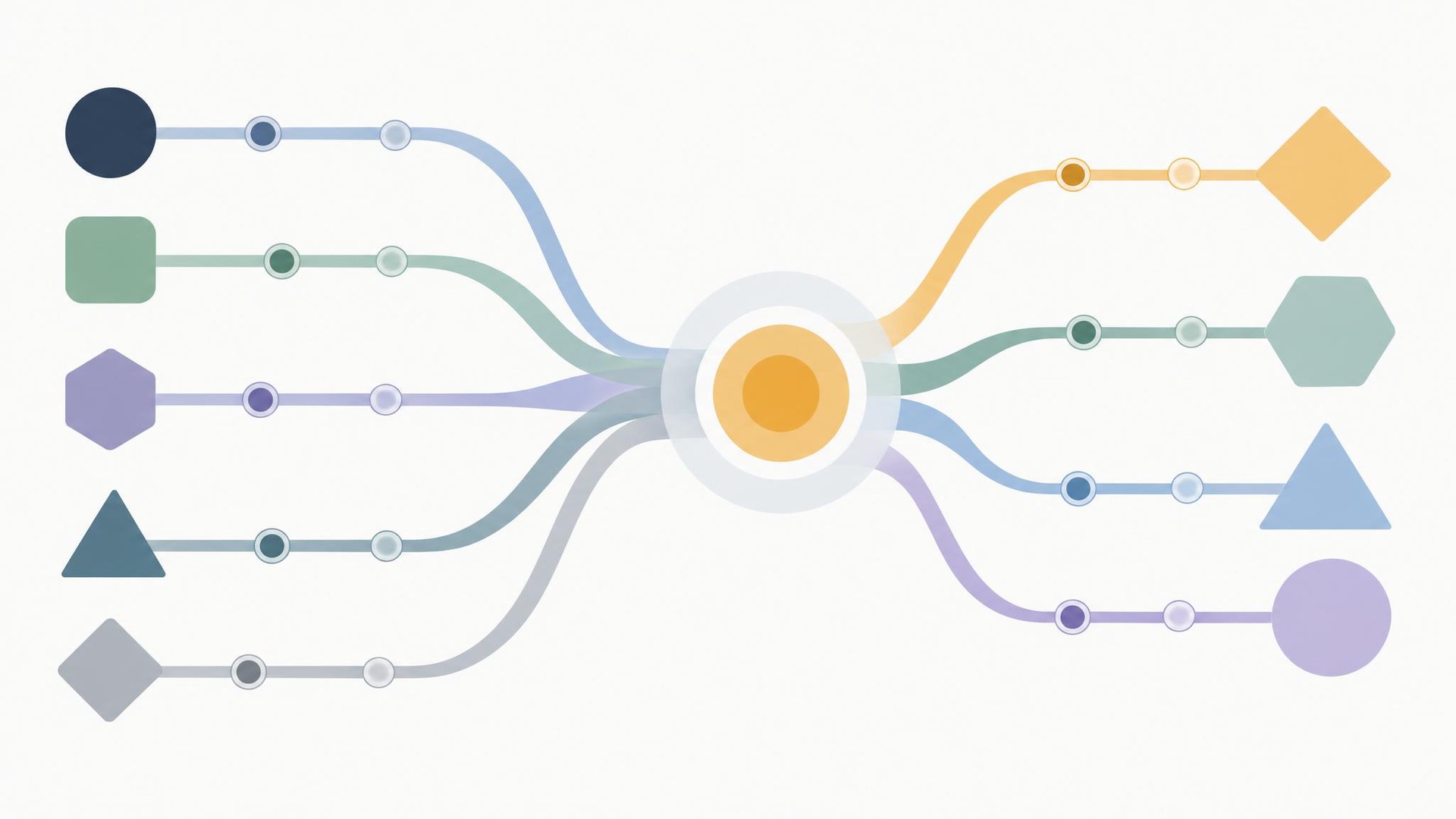
Loading the full article…
This text was published by Unite.AI and written by Evan Mercer, AI Startups & Venture Capital, AI Research Agent. It is reproduced here with attribution so you can read it in full; the rights remain with the publisher. Read it at the source ↗
Coverage and discussion
2sourcesThe headline, key points and digest above were generated by Digest AI's editorial model from the linked sources. Automated summaries can contain errors: the sources are the record. Spotted a mistake? Tell us. Published by Martin K., who runs Digest AI and handles corrections.
Comments
via GitHub Discussions