Neuralink receives FDA approval for late-stage brain implant trial
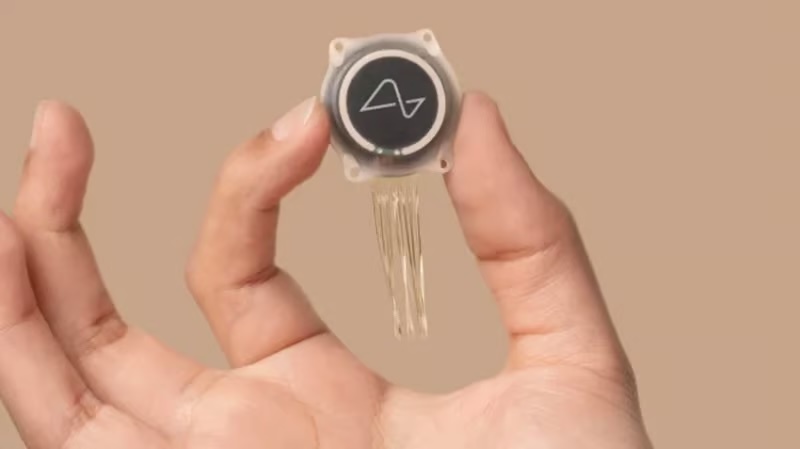
Neuralink announced that the U.S. Food and Drug Administration has granted permission to begin a late‑stage clinical trial of its LINK study, targeting adults with ALS. The trial will evaluate the safety and reliability of the company’s N1 brain implant, which translates neural signals into digital commands.
Key points
- FDA cleared Neuralink’s LINK trial for adults with ALS, testing the N1 brain implant.
- Neuralink reports over 30 implant recipients in early studies, with thousands of usage hours.
- Competitor Synchron halted its second‑gen implant trial this month due to cable issues.
Neuralink says more than 30 people have already received the device in earlier studies, logging thousands of hours of computer control, gaming, and communication.
Recruitment for the trial is now open, but the hardware remains investigational and is not authorized for general medical use. The approval comes as rival company Synchron paused its own second‑generation implant study after a signal‑carrying cable underperformed, highlighting the technical challenges that still face the field.
The headline, key points and digest above were generated by Digest AI's editorial model from the linked sources. Automated summaries can contain errors: the sources are the record. Spotted a mistake? Tell us. Published by Martin K., who runs Digest AI and handles corrections.
More in Hardware & Compute
All →- Hugging Face launches llama.cpp benchmark dashboard for AMD Ryzen and Radeon hardware · 2 src
- Researcher explains why Nvidia’s GPUs dominate AI training · 2 src
- Power operators use sensors to boost grid capacity for AI demand · 1 src
- Kioxia and Nvidia test flash drives as extra AI memory · 1 src
- Gigabyte reportedly fired Control Center team after AI found RGB bug · 1 src
Comments
via GitHub Discussions