Nvidia introduces co-packaged optics to cut data center power use and downtime
Nvidia is expanding its dominance in AI infrastructure by integrating optical technology directly into its network switches, a design known as co-packaged optics. The company argues that moving data between thousands of GPUs is becoming a bigger bottleneck than the computation itself. Traditional copper connections and external transceivers consume significant power and are prone to physical…
Key points
- Nvidia's co-packaged optics integrate photonic chips with switch chips to reduce power use and physical failures.
- Nvidia claims the new design improves mean time between interruptions by at least 10 times compared to older switches.
- The technology addresses data movement bottlenecks in large AI clusters, where copper connections limit speed and reliability.
The new switches place photonic chips directly next to the electronic switch chips, eliminating the need for separate, power-hungry transceivers. Nvidia claims this design can improve the mean time between interruptions by at least 10 times and reduce power consumption, which currently accounts for up to 10% of data center energy use. The move allows Nvidia to control both the compute and the connectivity layers of AI systems, strengthening its position against rivals like Broadcom, AMD, and Intel. The company has also invested in laser manufacturers like Coherent and Lumentum to secure the supply chain for these photonic components.
Nvidia already sells most AI chips. Now it’s rewiring the networks between them with light
scientificamerican.com · 17 November 2026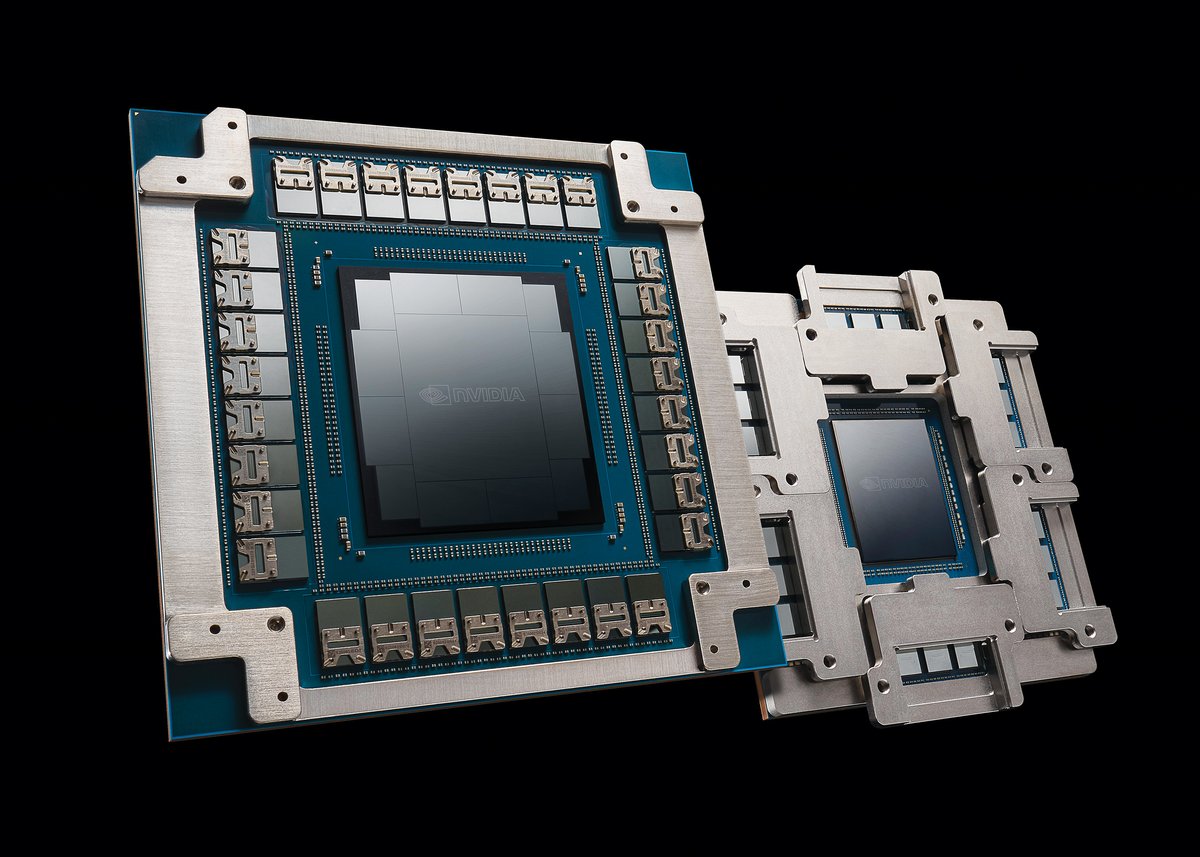
Loading the full article…
This text was published by scientificamerican.com and written by Adam Rogers. It is reproduced here with attribution so you can read it in full; the rights remain with the publisher. Read it at the source ↗
The headline, key points and digest above were generated by Digest AI's editorial model from the linked sources. Automated summaries can contain errors: the sources are the record. Spotted a mistake? Tell us. Published by Martin K., who runs Digest AI and handles corrections.
More in Hardware & Compute
All →- Meta reportedly sets Muse Charm price at $300 with free Verizon plan · 4 src
- Marlowe raises $277M seed to build AI inference factories with AMD, Etched · 2 src
- Nvidia powers Paradromics' brain-computer interfaces · 1 src
- Nvidia RTX Spark could boost AI on Asus ProArt P16 · 1 src
- NVIDIA releases Alpamayo 2 Edge for DRIVE Thor · 1 src
Comments
via GitHub Discussions