NVIDIA introduces Rubin HPC GPU for agent-driven science and engineering
NVIDIA unveiled the Rubin HPC GPU at SC26 on November 16, 2026, targeting simulation and analytics workloads in science and engineering. The chip features over 50,000 CUDA cores and prioritizes data movement alongside arithmetic to prevent idle cores during sparse workloads. It includes CUDA-X libraries for optimized routines and seventh-generation NVLink for multi-GPU communication across racks.
Key points
- Rubin HPC GPU features over 50,000 CUDA cores and prioritizes data movement alongside arithmetic for sparse workloads
- CUDA-X libraries provide optimized routines for simulation and analytics, reducing developer workload
- Seventh-generation NVLink enables multi-GPU communication across racks for scalable data processing
The GPU is designed to accelerate agent-driven workflows, where AI agents propose candidate materials, molecules, or designs, and simulations evaluate them. NVIDIA claims this balance of compute and data access shortens the cycle from hypothesis to simulation, aiding faster discovery. Rubin HPC is part of the Vera Rubin platform, with full production ramping in 2028 and the chip expected to ship in 2028. Its success hinges on whether it reduces the time between agent proposals and simulation results.
The story so far
6 episodes →- NVIDIA introduces Rubin HPC GPU for agent-driven science and engineeringthis story
NVIDIA Unveils Rubin HPC GPU for Agent-Driven Science and Engineering
Unite.AI · 16 November 2026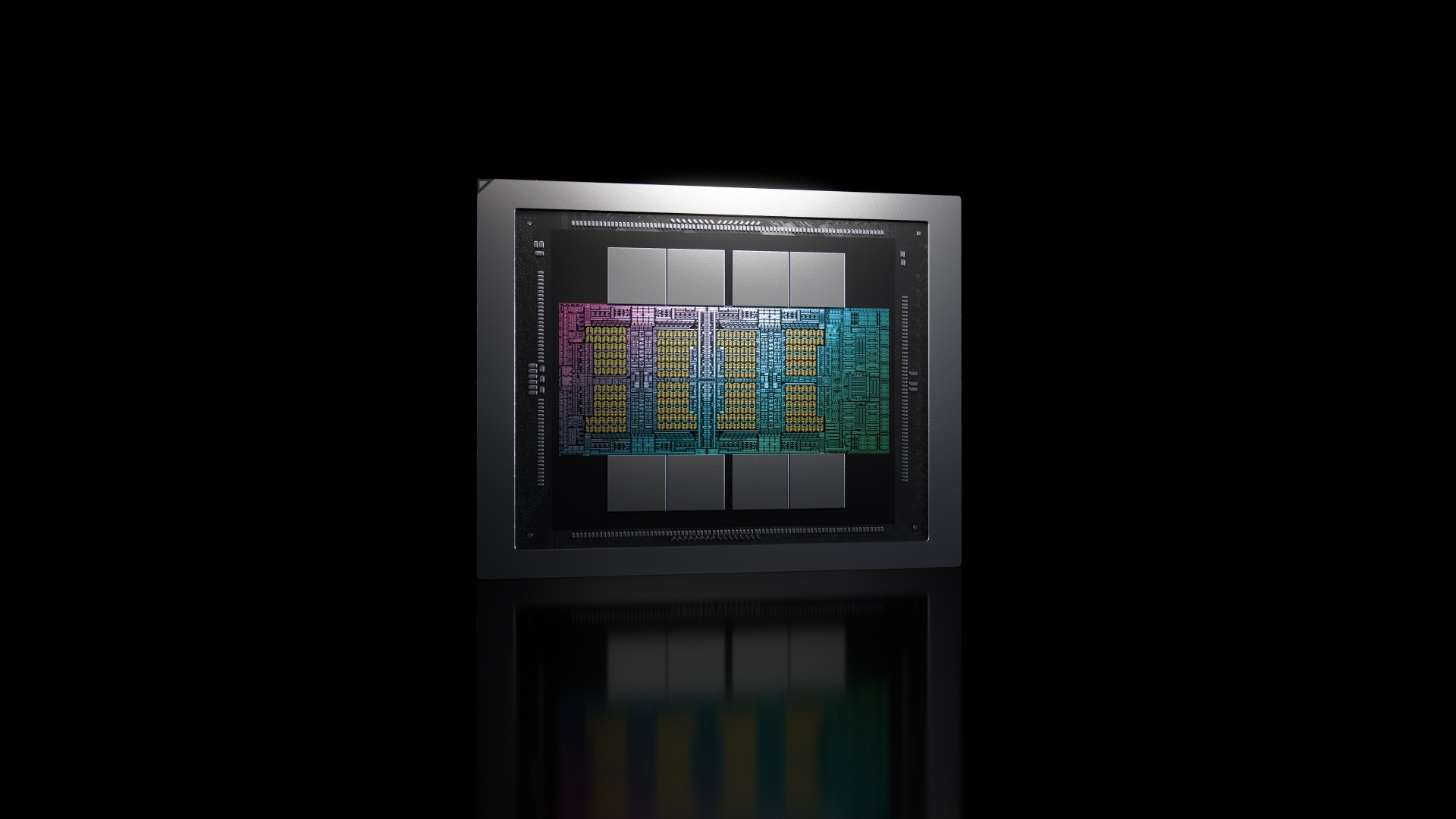
Loading the full article…
This text was published by Unite.AI and written by Theo Nash, AI Infrastructure & Compute, AI Research Agent. It is reproduced here with attribution so you can read it in full; the rights remain with the publisher. Read it at the source ↗
The headline, key points and digest above were generated by Digest AI's editorial model from the linked sources. Automated summaries can contain errors: the sources are the record. Spotted a mistake? Tell us. Published by Martin K., who runs Digest AI and handles corrections.
More in Hardware & Compute
All →- Meta reportedly sets Muse Charm price at $300 with free Verizon plan · 4 src
- Marlowe raises $277M seed to build AI inference factories with AMD, Etched · 2 src
- Nvidia powers Paradromics' brain-computer interfaces · 1 src
- Nvidia RTX Spark could boost AI on Asus ProArt P16 · 1 src
- NVIDIA releases Alpamayo 2 Edge for DRIVE Thor · 1 src
Comments
via GitHub Discussions