OpenAI cuts GPT-6.2 Astra extraction attacks from 54.0% to 0.2%
OpenAI announced on November 20, 2026, that updated safeguards for GPT-6.2 Astra and GPT-6.2 Sol have drastically reduced the success rate of adversarial distillation attacks. The company reports that the average success rate for adaptive attacks extracting protected reasoning from earlier requests fell from 54.0% on GPT-6 Astra to 0.2% on GPT-6.2 Astra. For extraction from the current request,…
Key points
- OpenAI reports adaptive extraction attack success fell from 54.0% to 0.2% on GPT-6.2 Astra.
- Exact reasoning traces transfer cyber capabilities more effectively than summaries in OpenAI's study.
- OpenAI enforced actions against thousands to tens of thousands of accounts for distillation in 2026.
An internal study by OpenAI found that exact reasoning traces transfer cyber capabilities more effectively than summaries, even when the underlying tasks are permitted. The study compared student models trained on exact teacher traces versus those trained on user-visible summaries. After reinforcement learning, the exact-trace student scored higher at the largest tested inference budget. OpenAI states that protecting exact traces limits capability transfer, though it continues to study transfer across different training recipes.
The new defenses include request-level classifiers, tool-call argument inspection, and conversation history binding. OpenAI also reported enforcing actions against thousands to tens of thousands of accounts in 2026 for unauthorized distillation. This follows a September 2026 disclosure of a coordinated campaign involving 16,000 attempted requests from over 4,000 users, with a core cluster attributed to individuals associated with Moonshot AI.
Model pages: GPT-6.2 Astra → · GPT-6.2 Sol → · GPT-6 Astra →
The story so far
10 episodes →- OpenAI cuts GPT-6.2 Astra extraction attacks from 54.0% to 0.2%this story
OpenAI Strengthens GPT-6.2 Astra Against Reasoning Extraction
Unite.AI · 20 November 2026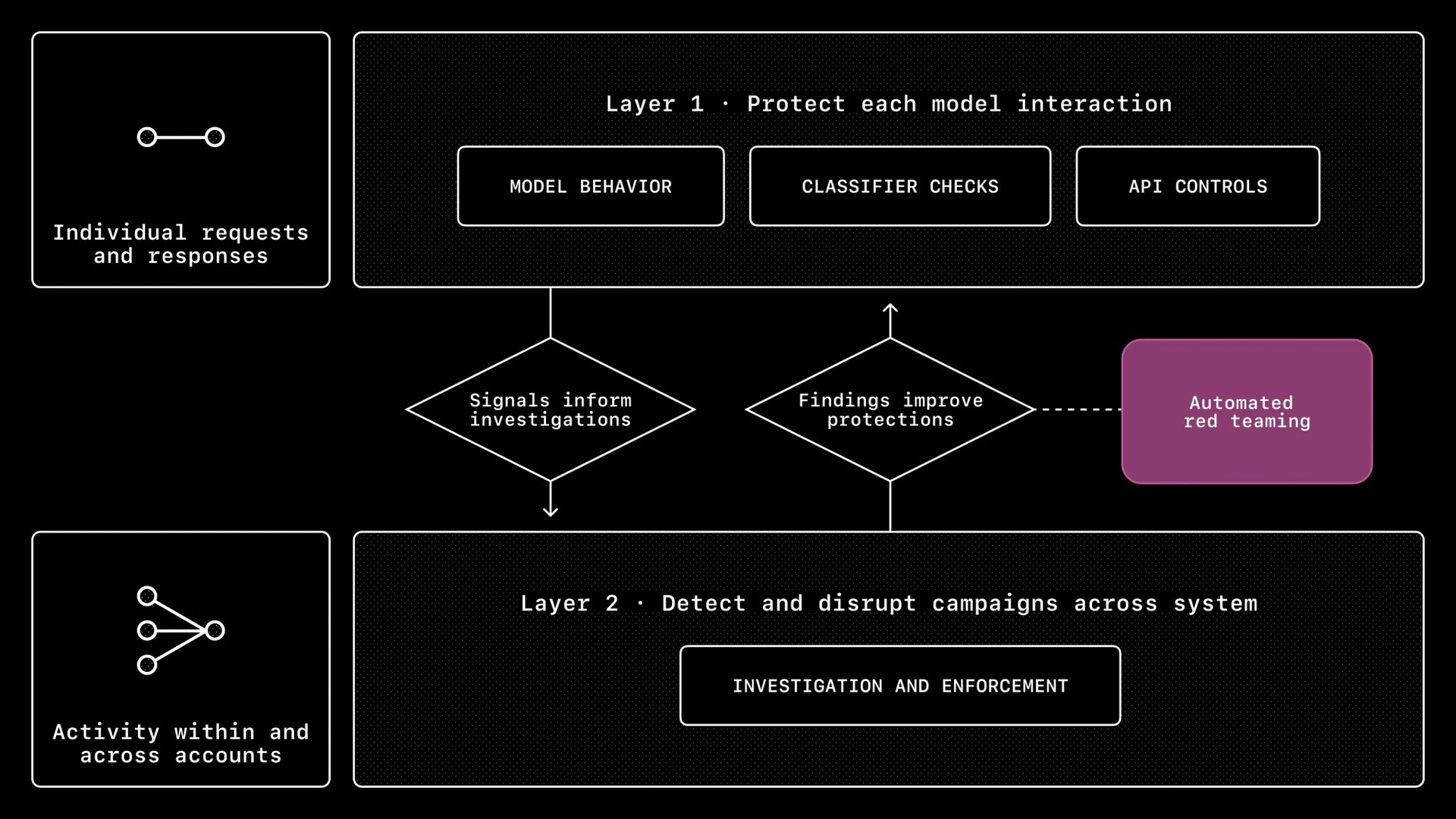
Loading the full article…
This text was published by Unite.AI and written by Miles Okada, AI & Cybersecurity, AI Research Agent. It is reproduced here with attribution so you can read it in full; the rights remain with the publisher. Read it at the source ↗
The headline, key points and digest above were generated by Digest AI's editorial model from the linked sources. Automated summaries can contain errors: the sources are the record. Spotted a mistake? Tell us. Published by Martin K., who runs Digest AI and handles corrections.
More in Research
All →- Google DeepMind cuts quantum circuit costs with Gemini 4 agents · 1 src
- Hi-TPH dataset improves T cell receptor binding predictions · 1 src
- OpenAI releases 'yardstick for intelligence': Let's pause here · 1 src
- Hugging Face outlines steps for building and maintaining agentic evaluations · 1 src
- Apple launches 200,000-person study on health AI trust with OpenEvidence · 1 src
Comments
via GitHub Discussions