Opinion: AI's societal impact follows grief stages as anger grows
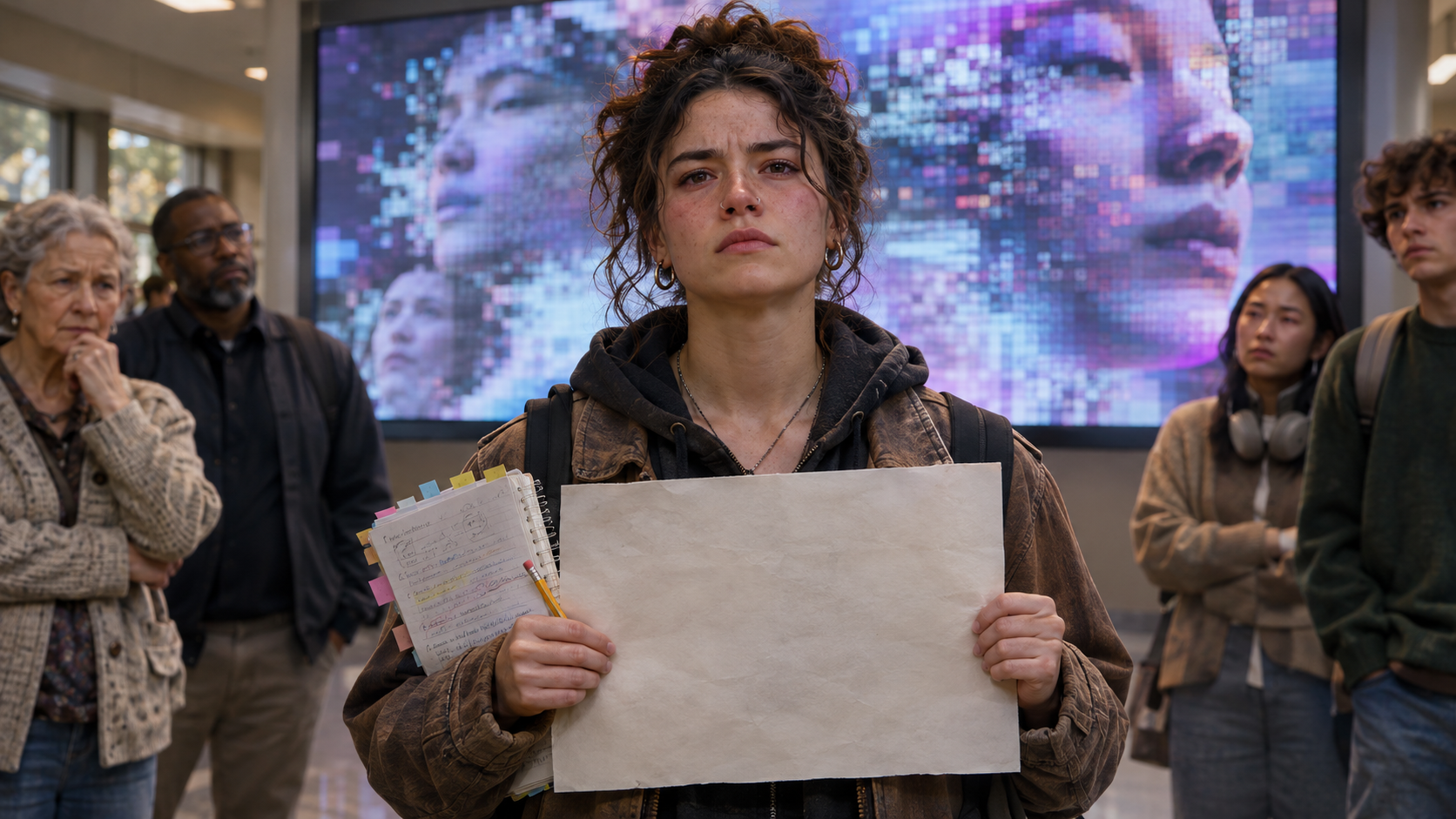
The article frames public sentiment toward AI as progressing through stages of grief, moving from denial and bargaining to anger as AI becomes ubiquitous and personal.
Key points
- Pew survey shows more Americans worried than excited about AI in daily life
- 52% of U.S. workers fear AI's impact on jobs, 32% expect fewer opportunities
- Challenger, Gray & Christmas tracked 1,206,374 job cuts in 2025, up 58% year-on-year
It cites a Pew Research Center survey showing more Americans are worried than excited about AI in daily life, and notes 52% of U.S. workers fear AI's impact on their jobs. Challenger, Gray & Christmas reported 1,206,374 announced job cuts in 2025, a 58% increase from the prior year. The piece references an MIT Media Lab preprint on neural engagement when using language models for writing, and mentions the FTC's September 2025 inquiry into AI chatbots as companions for young users. It concludes that the backlash reflects a growing demand for human-centered AI use and trust-building practices.
The headline, key points and digest above were generated by Digest AI's editorial model from the linked sources. Automated summaries can contain errors: the sources are the record. Spotted a mistake? Tell us. Published by Martin K., who runs Digest AI and handles corrections.
More in Society & Work
All →- Novartis CEO Narasimhan questions AI’s cancer-curing potential in 5-10 years · 2 src
- Google says first fully autonomous AI cyberattack occurred · 1 src
- Dario Amodei reportedly suggested games could pacify masses after AI job loss · 4 src
- Priest questions AI's soul search · 2 src
- Dario Amodei rejects surrendering free will to AI · 1 src
Comments
via GitHub Discussions