Powerlattice raises $86M to cut AI chip power use by over 50%
Powerlattice, a Vancouver-based startup, secured $86 million in funding, according to an SEC filing. The round nearly triples the $31 million raised in November 2025, including a $25 million Series A led by Playground Global and Celesta Capital. The company is seeking a total of $111 million, with 18 investors participating but unnamed. Powerlattice specializes in power delivery chiplets…
Key points
- Powerlattice raised $86M in funding, nearly tripling its previous $31M total, with $25M from Series A led by Playground Global and Celesta Capital
- Company claims its power delivery chiplets cut AI processor energy use by over 50% and improve performance by shortening current paths
- Powerlattice demonstrated its first monolithic integrated voltage regulator chiplet, designed to handle next-gen AI accelerators’ power demands
Founded in 2023 by semiconductor veterans Peng Zou, Gang Ren, and Sujith Dermal, Powerlattice has offices in Arizona, California, and Taiwan. The company recently demonstrated its first monolithic integrated voltage regulator chiplet, which consolidates power components onto a single silicon chip. This innovation aims to address the growing power and cooling challenges in AI data centers, as noted by former Intel CEO Pat Gelsinger, who sits on Powerlattice’s board. The startup claims its technology can scale to match processor demands by linking multiple chiplets.
Filing: Vancouver, WA-based Powerlattice, which makes a power delivery chiplet to reduce AI compute power needs by 50%+, raised $86M, after raising $31M in 2025
geekwire.com · 30 October 2026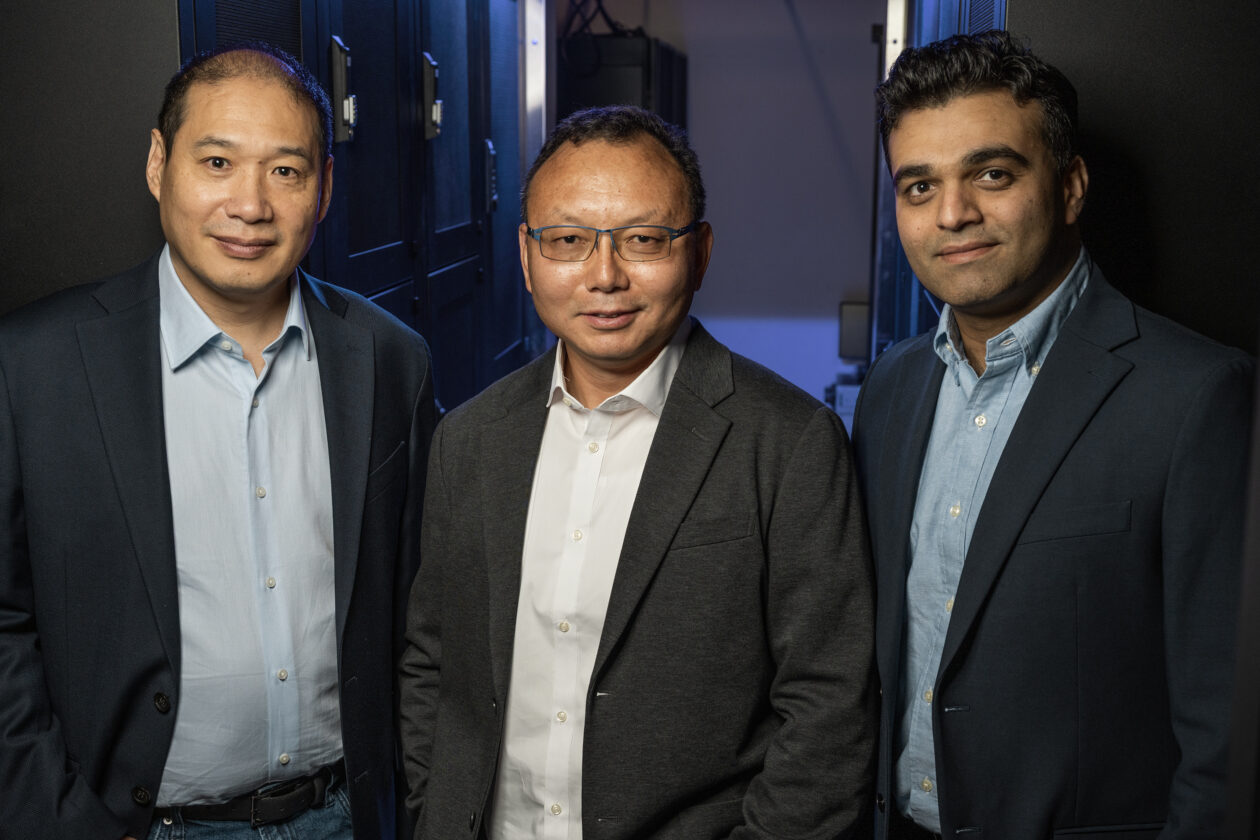
Loading the full article…
This text was published by geekwire.com and written by Kurt Schlosser. It is reproduced here with attribution so you can read it in full; the rights remain with the publisher. Read it at the source ↗
The headline, key points and digest above were generated by Digest AI's editorial model from the linked sources. Automated summaries can contain errors: the sources are the record. Spotted a mistake? Tell us. Published by Martin K., who runs Digest AI and handles corrections.
More in Hardware & Compute
All →- OpenAI CEO criticizes home RAM use for AI inference · 6 src
- Google’s Project Suncatcher satellite generates first AI haiku in orbit · 4 src
- Google’s cash burn drags down AI optics suppliers by 10-15% · 1 src
- Microsoft’s capex shortfall drags down CoreWeave, Nebius shares · 3 src
- Fujifilm plans fivefold increase in magnetic tape production for AI · 3 src
Comments
via GitHub Discussions