PsiQuantum unveils 8x8 optical switch cutting AI data center losses to 1.2 dB
PsiQuantum, a quantum computing firm, introduced an optical switch for AI data centers that loses only 1.2 dB of light in lab tests—about a quarter less than typical industry switches. The 8x8 prototype, which uses silicon photonics and no moving parts, outperforms competitors like Google’s MEMS-based Palomar in insertion loss but remains smaller, with plans for larger devices (64x64 and 72x72…
Key points
- PsiQuantum’s 8x8 optical switch loses 1.2 dB of light, outperforming typical 3 dB industry loss in lab tests
- Prototype uses silicon photonics with no moving parts, targeting Nvidia’s 3 dB loss threshold for GPU networks
- Company plans 64x64 and 72x72 switches, citing scalable silicon nitride waveguides with <0.5 dB/m loss
The company cites its 2025 Nature paper, where silicon nitride waveguides lost as little as 0.5 dB per meter. PsiQuantum’s switch targets Nvidia’s 3 dB loss threshold and aligns with its CHIPS award for high-performance optical switches. While rivals like Salience Labs and iPronics offer amplified switches with under 2 dB loss, PsiQuantum’s approach—using thermally switched silicon nitride—aims for scalability without amplifiers. Nvidia, which collaborates with PsiQuantum, also invested in iPronics’ $125 million round for its second-gen optical switch. PsiQuantum expects commercial products and larger device updates in the coming months, though independent verification is pending.
PsiQuantum turns its photonics know-how into an optical switch for supercharging AI data center GPU networks — 8x8 lab prototype loses less light than rivals, with plans to develop larger devices
Tom's Hardware · 30 October 2026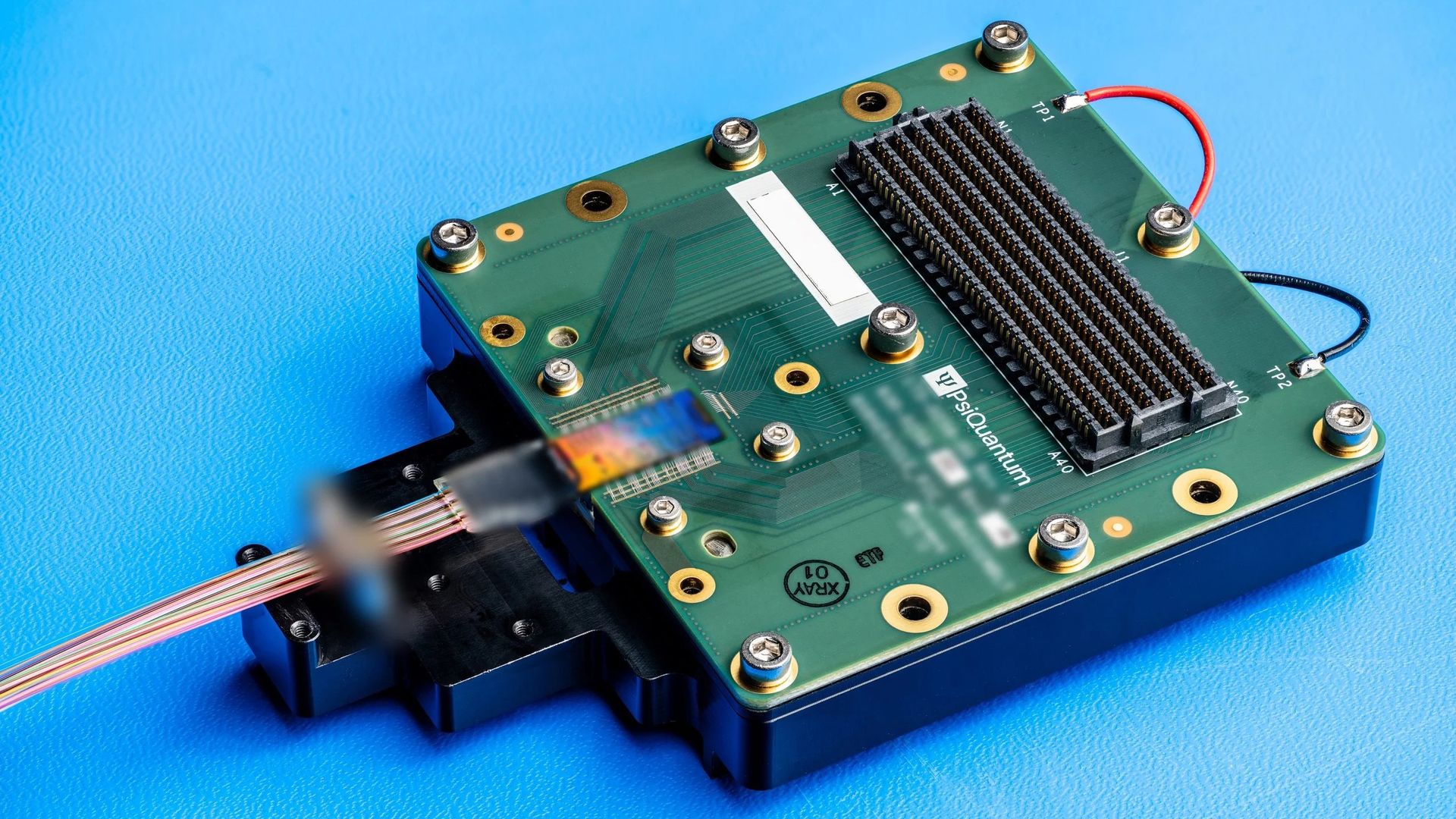
Loading the full article…
This text was published by Tom's Hardware and written by Shane Downing. It is reproduced here with attribution so you can read it in full; the rights remain with the publisher. Read it at the source ↗
The headline, key points and digest above were generated by Digest AI's editorial model from the linked sources. Automated summaries can contain errors: the sources are the record. Spotted a mistake? Tell us. Published by Martin K., who runs Digest AI and handles corrections.
More in Hardware & Compute
All →- Nvidia CEO sees Kazakhstan as potential AI hub for Europe · 1 src
- Amazon plans to sell Trainium AI chips to third‑party data centers starting late 2027 · 3 src
- xAI leases 1.2M GPUs, earns $41.1B yearly from Microsoft, Anthropic and others · 1 src
- Eclypsium partners with Nvidia to secure AI infrastructure against hardware-level attacks · 4 src
- Tom’s Hardware explains key AI concepts for local model users · 1 src
Comments
via GitHub Discussions