SentinelOne engineer uses GPT-6 Astra to crack 217-year-old Napoleonic cipher
Carter Church, an engineer at SentinelOne, reported that he fed OpenAI’s GPT‑6 Astra a single image and prompt and the model unraveled a 217‑year‑old military cipher in about six hours. The ciphertext, listed on Cryptiana’s Unsolved Historical Ciphers database, was a troop briefing from Eugène de Beauharnais to French General Auguste de Marmont dating to 1809. Church says Astra’s multimodal…
Key points
- SentinelOne engineer Carter Church used GPT‑6 Astra to decode a 217‑year‑old Napoleonic cipher in roughly six hours
- Astra processed a single image and prompt, then applied a simulated‑annealing solver to finish the decryption
- The decoded letter fills a missing sentence in Napoleon’s 1865 memoir and is now marked solved on Cryptiana’s database
The solution package, including a script to reproduce the reading, is available on Church’s blog. Independent curator Satoshi Tomokiyo has marked the cipher as solved, and the decoded text can be mechanically verified against the original ciphertext. While Church presents the result as a proof of Astra’s capabilities, the claim rests on his own testing and the publicly released solution.
The episode highlights how large language models can be applied to historical cryptanalysis, extending their use beyond typical text generation to niche research tasks that involve image input and complex pattern solving.
Model page: GPT-6 Astra →
The story so far
3 episodes →- SentinelOne engineer uses GPT-6 Astra to crack 217-year-old Napoleonic cipherthis story
ChatGPT-6 Astra cracks 217-year-old Napoleonic code in just six hours
Tom's Hardware · 4 October 2026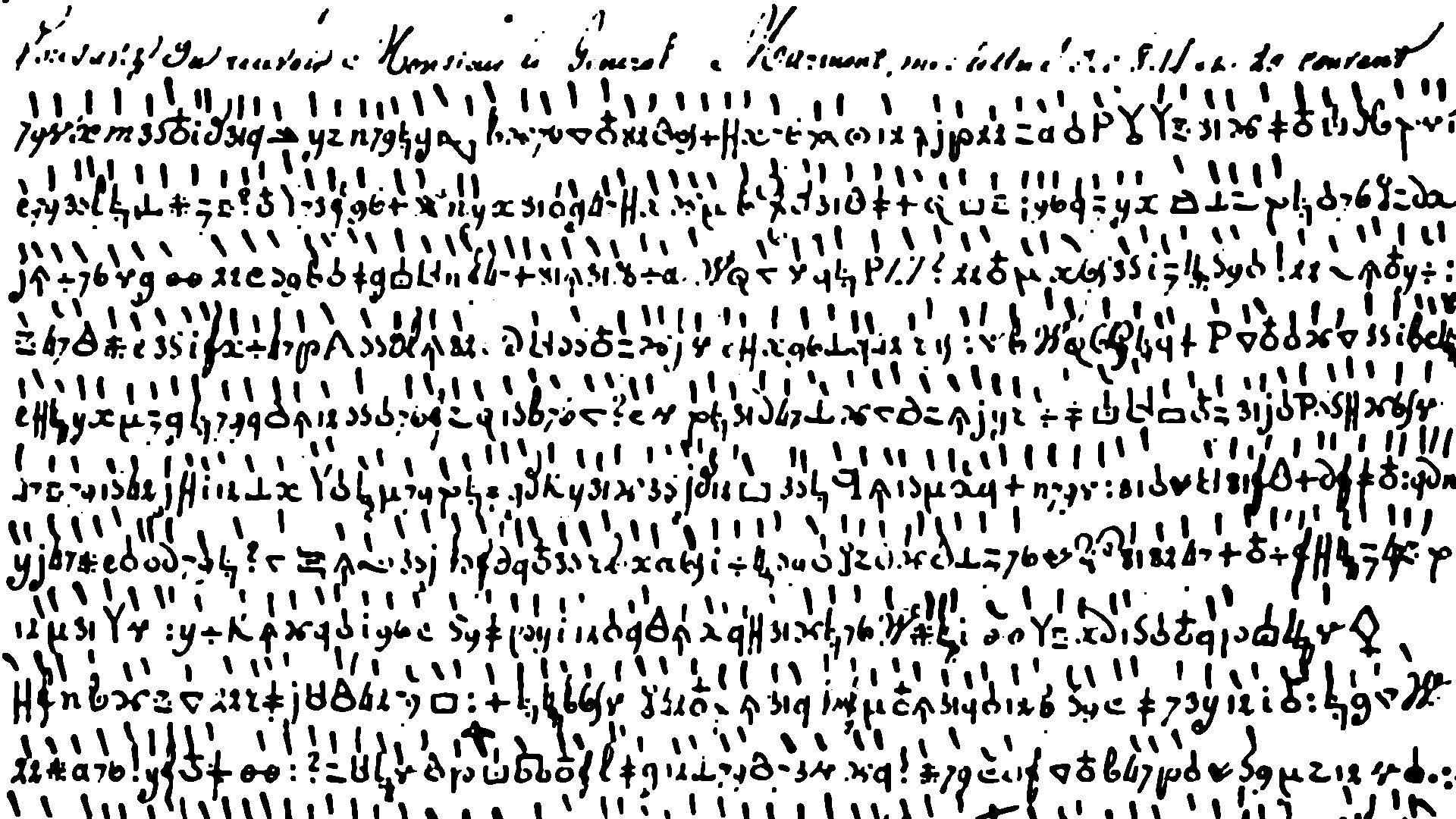
Loading the full article…
This text was published by Tom's Hardware and written by Mark Tyson. It is reproduced here with attribution so you can read it in full; the rights remain with the publisher. Read it at the source ↗
The headline, key points and digest above were generated by Digest AI's editorial model from the linked sources. Automated summaries can contain errors: the sources are the record. Spotted a mistake? Tell us. Published by Martin K., who runs Digest AI and handles corrections.
More in Generative AI & Models
All →- Anthropic's Claude Opus 5.5 may have been nerfed, users report · 1 src
- Anthropic asks users to share voice data for AI model training · 1 src
- Aleph Alpha releases Kolibri-1 MoE model with 78B parameters and 1M token context · 3 src
- NVIDIA trains Nemotron 3.5 ASR on Saudi dialects, cutting error rates by over half · 1 src
- TypeSafe's Jev decision model costs $0.042 per million tokens, matches Sonnet 5 accuracy · 2 src
Comments
via GitHub Discussions