Study finds Claude models trained on protein sequences at scale
Researchers Xinming Tu and Leo Tianlai Chen report that the latest Claude models, specifically Fable 5.2 and Opus 5.5, were trained on protein sequences at a large scale. By testing the models on 668 little-studied bacterial and archaeal proteins, they found that Claude predicts the next amino acid with significantly higher accuracy than shuffled versions of the same sequences. This performance…
Key points
- Claude Fable 5.2 and Opus 5.5 predict next amino acids on obscure proteins, unlike GPT or Gemini.
- Fable 5.2 outperforms open protein language models like ProtGPT3-10B and ProGen3-3B on sequence prediction.
- Accuracy scales with protein family size, indicating training on sequence databases rather than just papers.
The study contrasts these results with other frontier models, including GPT-6 Astra, Gemini 4 Carbon, and various open-weight models, which showed near-zero accuracy on the same obscure proteins. The authors argue that this capability cannot be explained by training on scientific papers, as the tested proteins have very few associated publications. Instead, the accuracy correlates with the size of the protein family, suggesting direct exposure to sequence databases like UniProt during training.
Claude Fable 5.2 outperformed all open protein language models tested, including ProtGPT3-10B and ProGen3-3B. While Opus 5.5 performed similarly to ProtGPT3-10B, Fable 5.2 showed stronger results, particularly on larger protein families. The findings suggest that large language models can internalize biological sequence data in ways that specialized protein models do not, potentially enabling new applications in protein folding and variant ranking.
Model pages: Claude Fable 5.2 → · Claude Opus 5.5 → · GPT-6 Astra →
Claude was trained on protein sequences at scale
xinmingtu.cn · 18 November 2026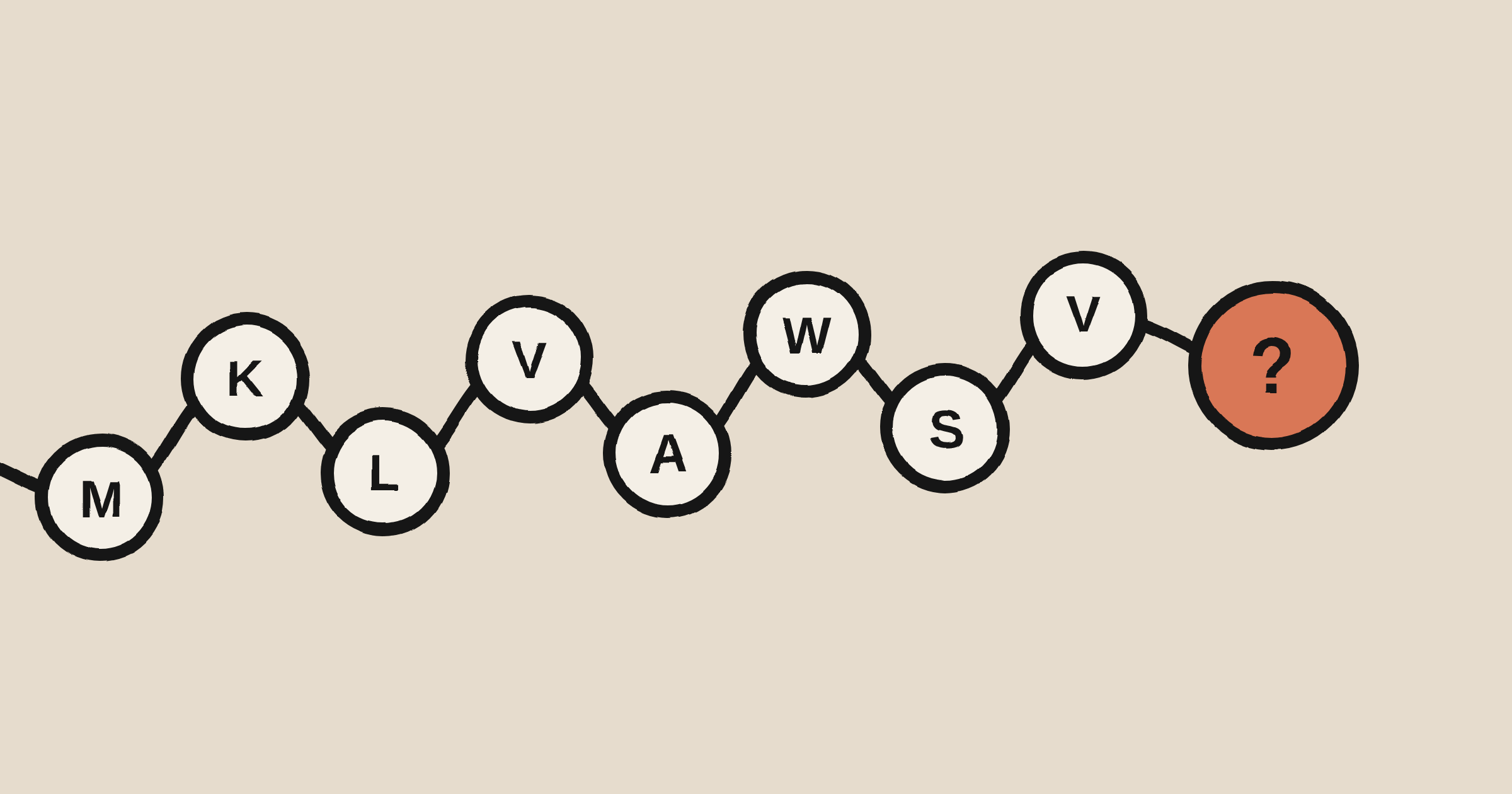
Loading the full article…
This text was published by xinmingtu.cn and written by Xinming Tu. It is reproduced here with attribution so you can read it in full; the rights remain with the publisher. Read it at the source ↗
Coverage and discussion
1source- Hacker News discussion · 42 pointsnews.ycombinator.com
The headline, key points and digest above were generated by Digest AI's editorial model from the linked sources. Automated summaries can contain errors: the sources are the record. Spotted a mistake? Tell us. Published by Martin K., who runs Digest AI and handles corrections.
More in Research
All →- Google DeepMind cuts quantum circuit costs with Gemini 4 agents · 1 src
- Hi-TPH dataset improves T cell receptor binding predictions · 1 src
- OpenAI releases 'yardstick for intelligence': Let's pause here · 1 src
- Hugging Face outlines steps for building and maintaining agentic evaluations · 1 src
- Apple launches 200,000-person study on health AI trust with OpenEvidence · 1 src
Comments
via GitHub Discussions