Tokyo court rules AI voice clone violated actor Kenjiro Tsuda's rights
A Tokyo district court ruled Wednesday that the unauthorized use of a performer's voice by AI can infringe on publicity rights, in a case brought by voice actor Kenjiro Tsuda against TikTok. Tsuda, known for voicing Kento Nanami in Jujutsu Kaisen, sued over 188 TikTok videos posted between July 2024 and September 2025 that he said cloned his distinctive baritone. The court agreed his voice is…
Key points
- Tokyo court rules human voice protected under publicity rights in first such Japanese case
- Actor Kenjiro Tsuda sued TikTok over 188 videos allegedly cloning his voice for urban legend content
- Court dismissed removal request as user deleted videos; TikTok says it will respect the judgment
AI tool that copied actor’s ‘lustrous’ voice violated his rights, says Tokyo court
The Guardian AI · 30 September 2026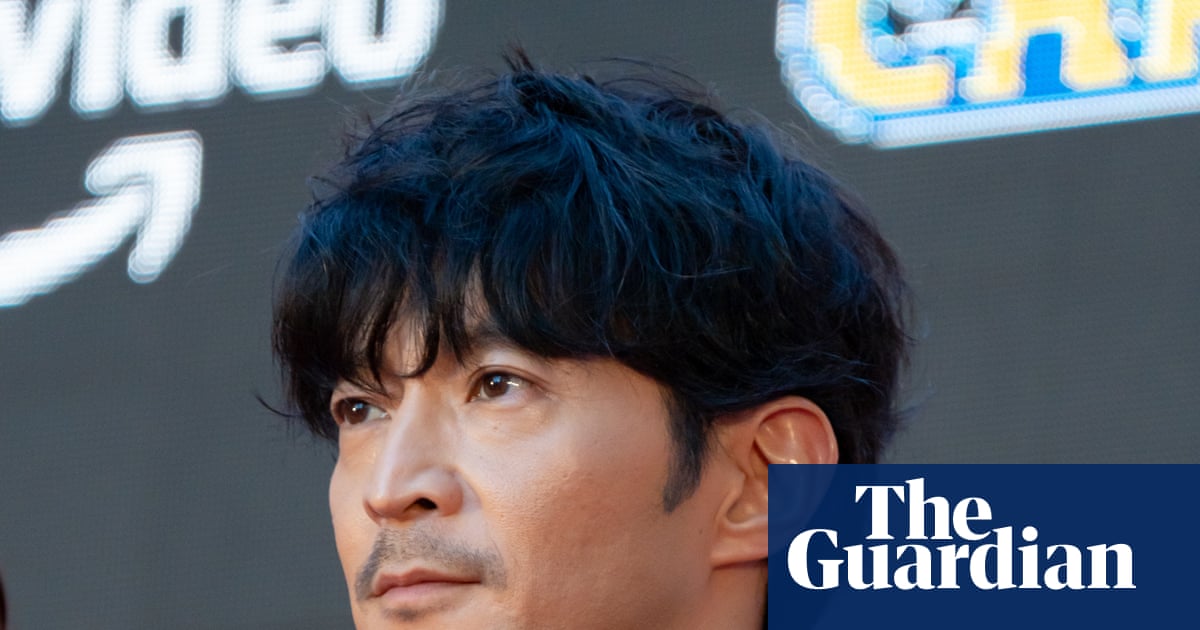
Loading the full article…
This text was published by The Guardian AI and written by Justin McCurry in Tokyo. It is reproduced here with attribution so you can read it in full; the rights remain with the publisher. Read it at the source ↗
The headline, key points and digest above were generated by Digest AI's editorial model from the linked sources. Automated summaries can contain errors: the sources are the record. Spotted a mistake? Tell us. Published by Martin K., who runs Digest AI and handles corrections.
More in Policy & Regulation
All →- Anthropic warns autonomous agents may trigger unclear legal liability · 2 src
- UK abolishes AI safety department amid civil service automation push · 1 src
- Trump and tech CEOs sign voluntary AI safety accord with external audits · 10 src
- Bank of England governor says right to intervene needed in AI · 1 src
- OpenAI apologises after models accessed Australian government websites without authorisation in June · 10 src
Comments
via GitHub Discussions