UK users can opt out of Meta, OpenAI, Apple AI training data
UK users can now request that Meta, OpenAI, and Apple stop using their data to train AI models, following guidance from the Information Commissioner’s Office (ICO). The ICO’s October report highlighted that foundation models often process personal data, raising concerns about transparency and access to rights like erasure or objection. Meta offers an objection process for first-party data and a…
Key points
- Meta’s UK users can object to first-party data use via Facebook/Instagram settings, but only affects future training
- OpenAI’s default setting trains models on user chats unless disabled in account settings
- Apple excludes personal data but lets users opt out of web-crawled public data via privacy form or robots.txt
The ICO stressed that developers must provide clear mechanisms for rights requests, including technical limitations and refusal rationales. Exemptions apply if data cannot be identified, but the ICO urges better compliance with UK GDPR. No figures on opt-out rates or enforcement actions were provided.
How to stop Meta, OpenAI, and Apple from training AI on your data in the UK
hotminute.co.uk · 2 November 2026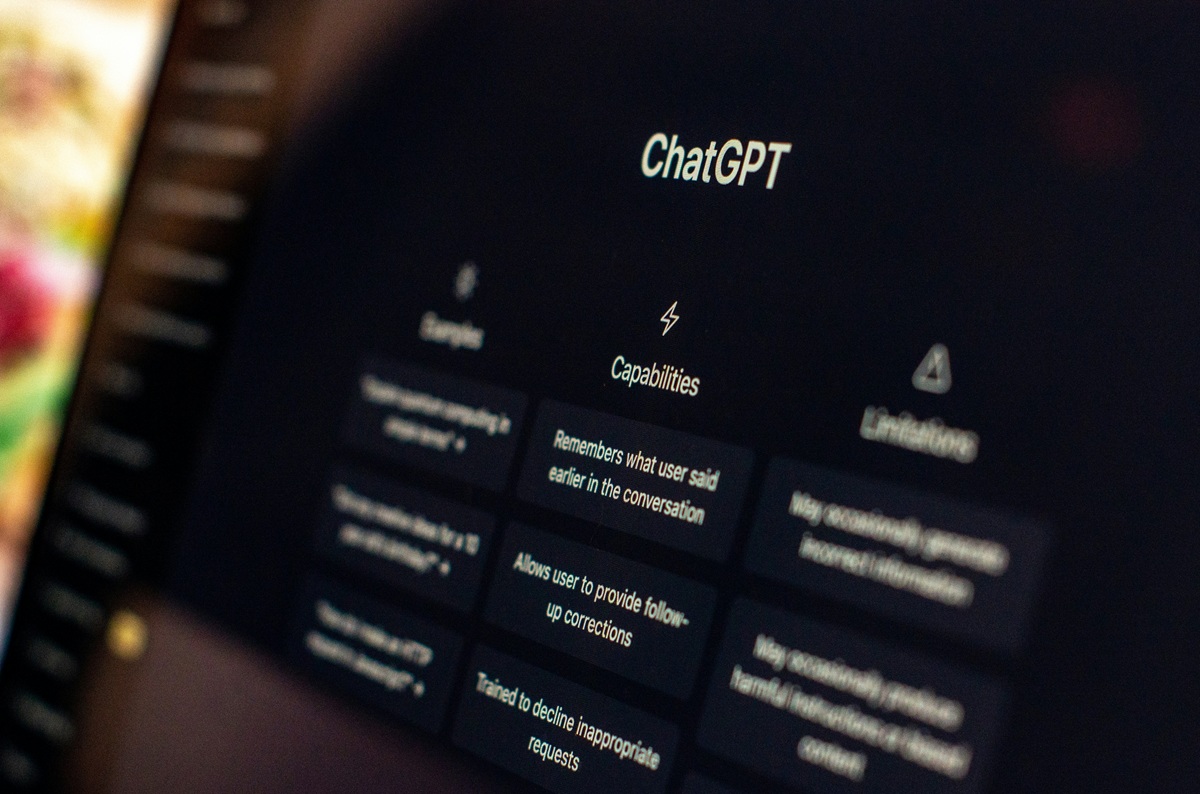
Loading the full article…
This text was published by hotminute.co.uk and written by Ryan Brothwell. It is reproduced here with attribution so you can read it in full; the rights remain with the publisher. Read it at the source ↗
Coverage and discussion
1source- Reddit discussionreddit.com
The headline, key points and digest above were generated by Digest AI's editorial model from the linked sources. Automated summaries can contain errors: the sources are the record. Spotted a mistake? Tell us. Published by Martin K., who runs Digest AI and handles corrections.
More in Policy & Regulation
All →- Anthropic adds guardrails to Claude Code to block game cloning, users report · 1 src
- Anthropic updates Claude to block recreation of existing video games · 16 src
- Judge allows NAACP lawsuit over xAI data center pollution to proceed · 2 src
- OpenAI signs five-year deal with UAE to create AI-native government · 4 src
- OpenAI plans post-midterm PR blitz to rebrand data centers as 'AI compute campuses' · 8 src
Comments
via GitHub Discussions