Vertiv tests AI factory tech before chips arrive
Vertiv has unveiled the ATLAS Lab, a facility designed to test power cooling, controls, and IT systems as one integrated system. This move aims to identify integration faults early in the development process rather than at customer sites.
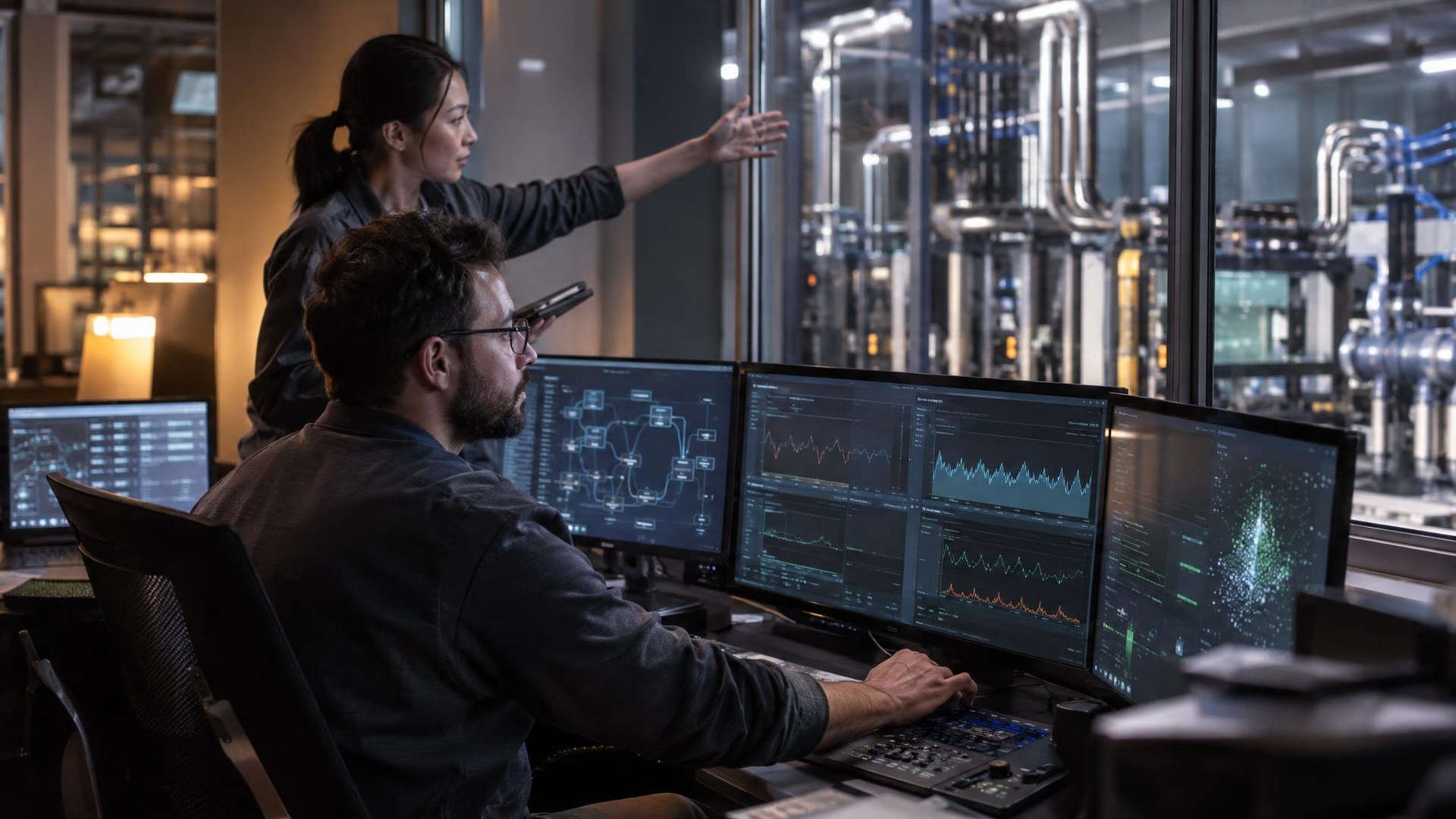
The lab uses emulated NVIDIA workloads to stress infrastructure before production compute systems are available. ATLAS stands for Advanced Test Lab for Architecture and Systems. Engineers have been conducting assessments of how power, liquid cooling, controls, and AI workloads behave together since November 6, 2026. Vertiv’s goal is to validate a design at pod scale, which can then be used as a reference design for campus-level deployments. The ATLAS Lab combines physical testing with simulation workflows in NVIDIA's DSX AI Factory Platform. This setup allows companies from various sectors like chip manufacturers, server makers, power and cooling providers, utilities, and operators to share a common technical environment for integration work. By validating infrastructure designs before deployment, the lab aims to reduce site-specific integration efforts and provide tested starting points for customer projects. The business significance of ATLAS is its potential to shorten time-to-first-token and turn available megawatts into productive compute operations more efficiently.
The headline, key points and digest above were generated by Digest AI's editorial model from the linked sources. Automated summaries can contain errors: the sources are the record. Spotted a mistake? Tell us. Published by Martin K., who runs Digest AI and handles corrections.
More in Agents & Tools
All →- Google releases Gemini 4 Neon with one-million-token context window · 14 src
- Walmart launches agent gateway with Meta Muse support · 4 src
- Anthropic launches beta to install Claude artifacts as desktop apps · 4 src
- Epochal launches Time Portal to let AI agents forecast using historic web snapshots · 2 src
- Google files patent for AI-powered “My Channel” TV feature · 4 src
Comments
via GitHub Discussions