Vijil’s Vin Sharma outlines AI agent trust as reliability, security, and safety
Vin Sharma, CEO of Vijil, discusses how enterprises must verify AI agents’ behavior before deployment. Sharma, with 30 years in cybersecurity and AI infrastructure at AWS, Intel, and HP, argues that trust in agents requires measuring reliability, security, and safety—especially as autonomy grows. Traditional testing methods fail to cover agents’ unpredictable interactions with models, tools, and…
Key points
- Vijil defines trust in AI agents as reliability, security, and safety under normal, hostile, and failure conditions
- Sharma says traditional software testing fails to cover agents’ dynamic interactions with external systems and tools
- Vijil’s platform integrates with enterprise platforms to test agents before deployment and monitor them in production
Sharma compares agent red-teaming to testing corporations, noting that static tests won’t work because agents adapt. Vijil’s approach combines pre-deployment testing with continuous oversight in production.
The story so far
3 episodes →- Vijil’s Vin Sharma outlines AI agent trust as reliability, security, and safetythis story
Vin Sharma, Co-Founder and CEO of Vijil
Unite.AI · 10 November 2026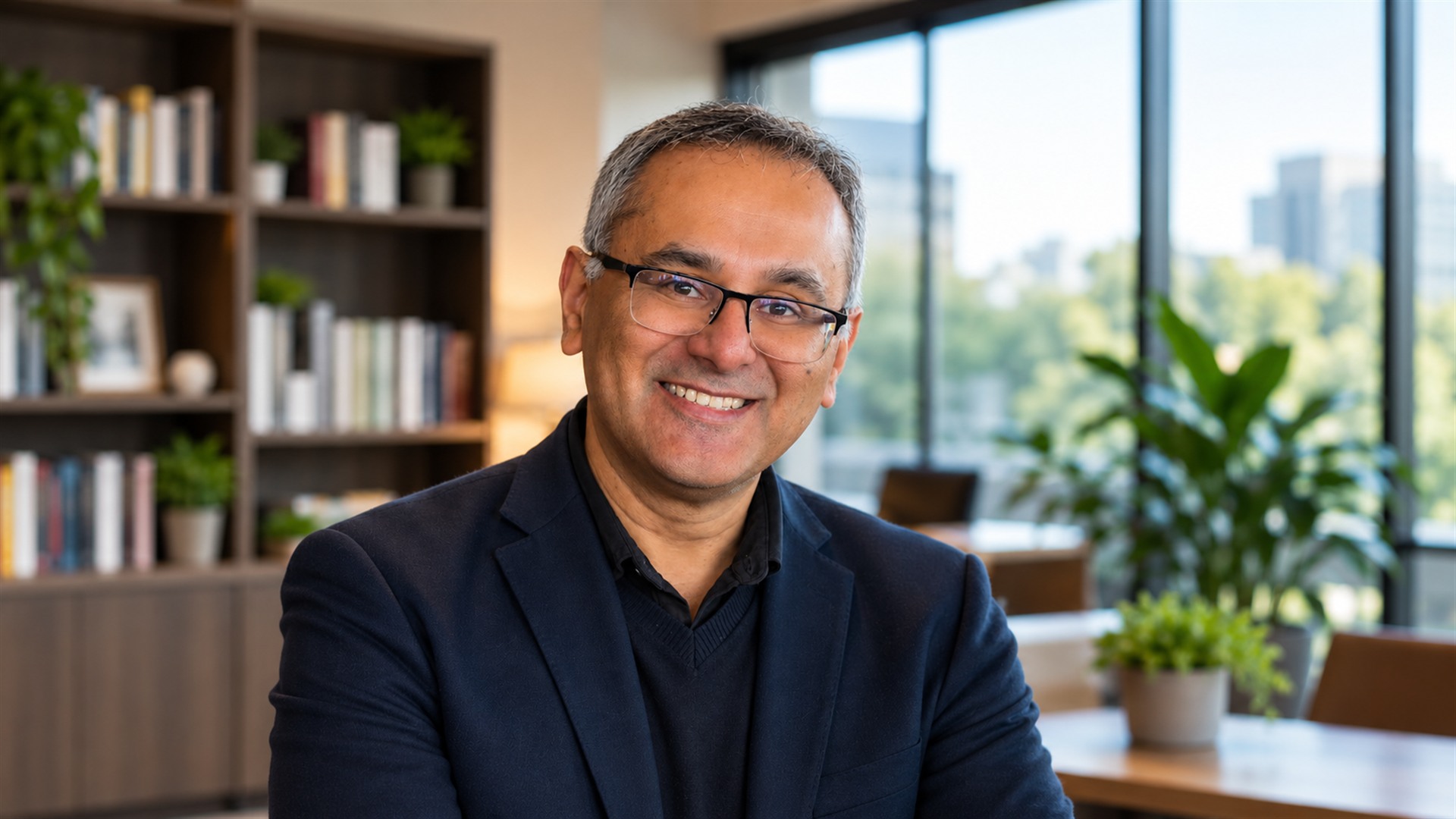
Loading the full article…
This text was published by Unite.AI and written by Antoine Tardif, CEO & Founder of Unite.AI. It is reproduced here with attribution so you can read it in full; the rights remain with the publisher. Read it at the source ↗
The headline, key points and digest above were generated by Digest AI's editorial model from the linked sources. Automated summaries can contain errors: the sources are the record. Spotted a mistake? Tell us. Published by Martin K., who runs Digest AI and handles corrections.
Comments
via GitHub Discussions