XPeng unveils IRON humanoid robot for autonomous work tasks
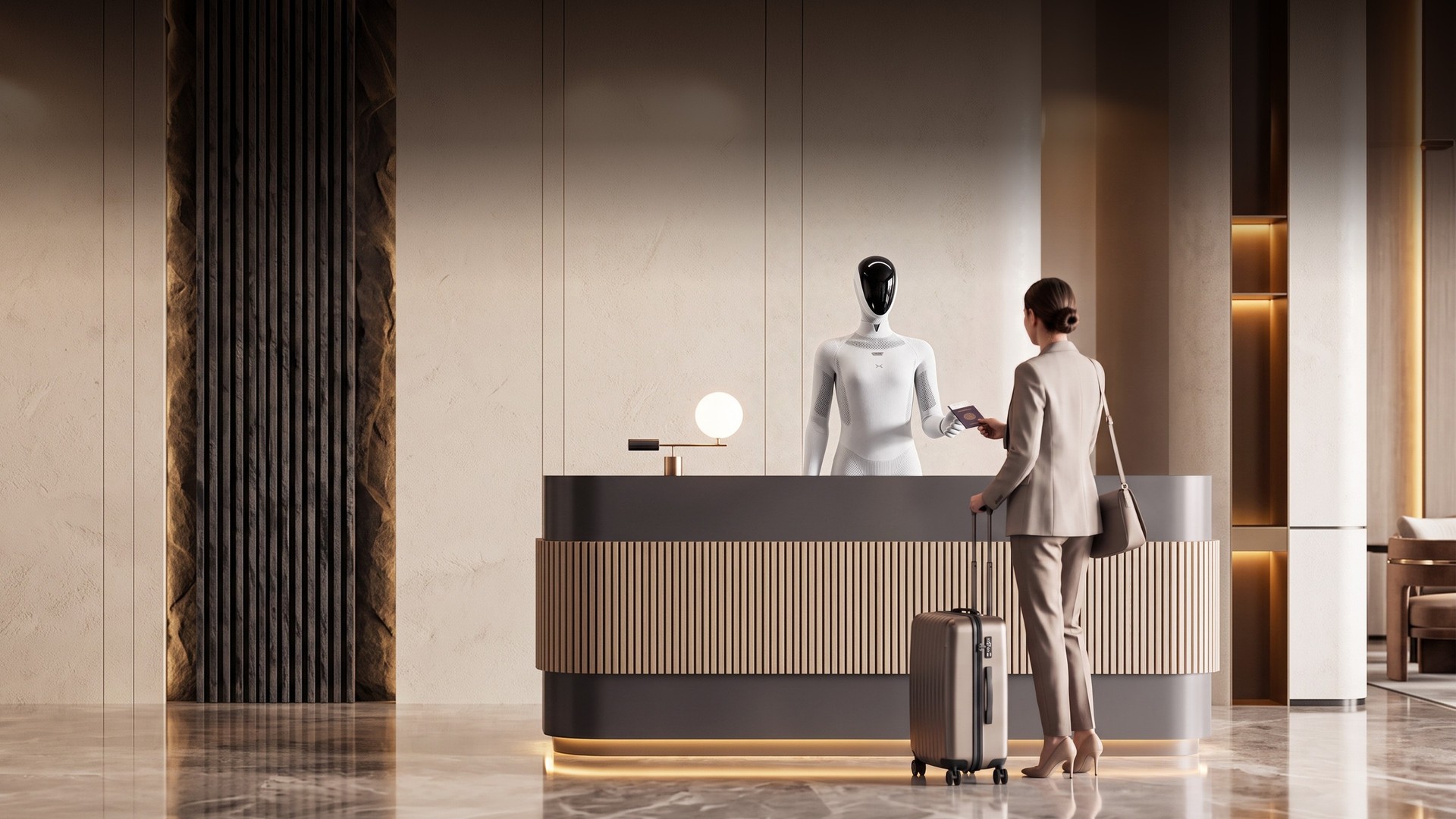
XPeng introduced its IRON humanoid robot at its November 25 Tech Day, positioning it as an autonomous work partner. The 170 cm-tall, 62 kg robot features 76 degrees of freedom, a magnesium-aluminum alloy skeleton, and 1,500+ tactile contact points for dexterous tasks.
Key points
- IRON robot stands 170 cm tall, weighs 62 kg, and features 76 degrees of freedom with tactile sensing for dexterous tasks
- Onboard AI runs on 2,250 TOPS chips, enabling offline navigation and local reasoning for autonomous work shifts
- XPeng warns mass-produced IRON may differ from displayed performance, leaving commercialization timelines unresolved
Its onboard AI runs on three in-house Turing chips delivering 2,250 TOPS, enabling offline navigation and local reasoning without network dependence. IRON can recharge autonomously in 20 minutes for 1.5 hours of work and supports roles like shopping guidance and tours, with broader commercial applications planned.
XPeng emphasizes safety through psychological, physical, and interaction safeguards, including isolated sensitive data and dual-channel redundancy. Over 10 million dexterous-hand tests and 50,000 sqm of real-robot training data validate its job behavior. While production lines are over 80% automated, XPENG warns that displayed performance may differ from the final mass-produced model, leaving commercialization timelines uncertain. The company invites purchase and partnership inquiries, targeting deployment in stores and campuses starting in 2027.
The headline, key points and digest above were generated by Digest AI's editorial model from the linked sources. Automated summaries can contain errors: the sources are the record. Spotted a mistake? Tell us. Published by Martin K., who runs Digest AI and handles corrections.
More in Robotics & Physical AI
All →- Genesis AI raises $500M Series A to test robot reliability in manufacturing · 1 src
- BrightAI raises $97M Series A led by Smith Point Capital · 2 src
- YYForce launches Six Seven humanoid concierge for Novotel Singapore · 1 src
- Hugging Face guides obstacle avoidance for Microduck using Isaac Lab and Newton · 1 src
- Nauticus Robotics to acquire Ocean Power’s WAM-V USVs for $8M stock plus cash · 1 src
Comments
via GitHub Discussions