WeatherNext 3 news
The latest WeatherNext 3 news, : Tomorrow.io research shows better starting data improves AI weather forecasts.
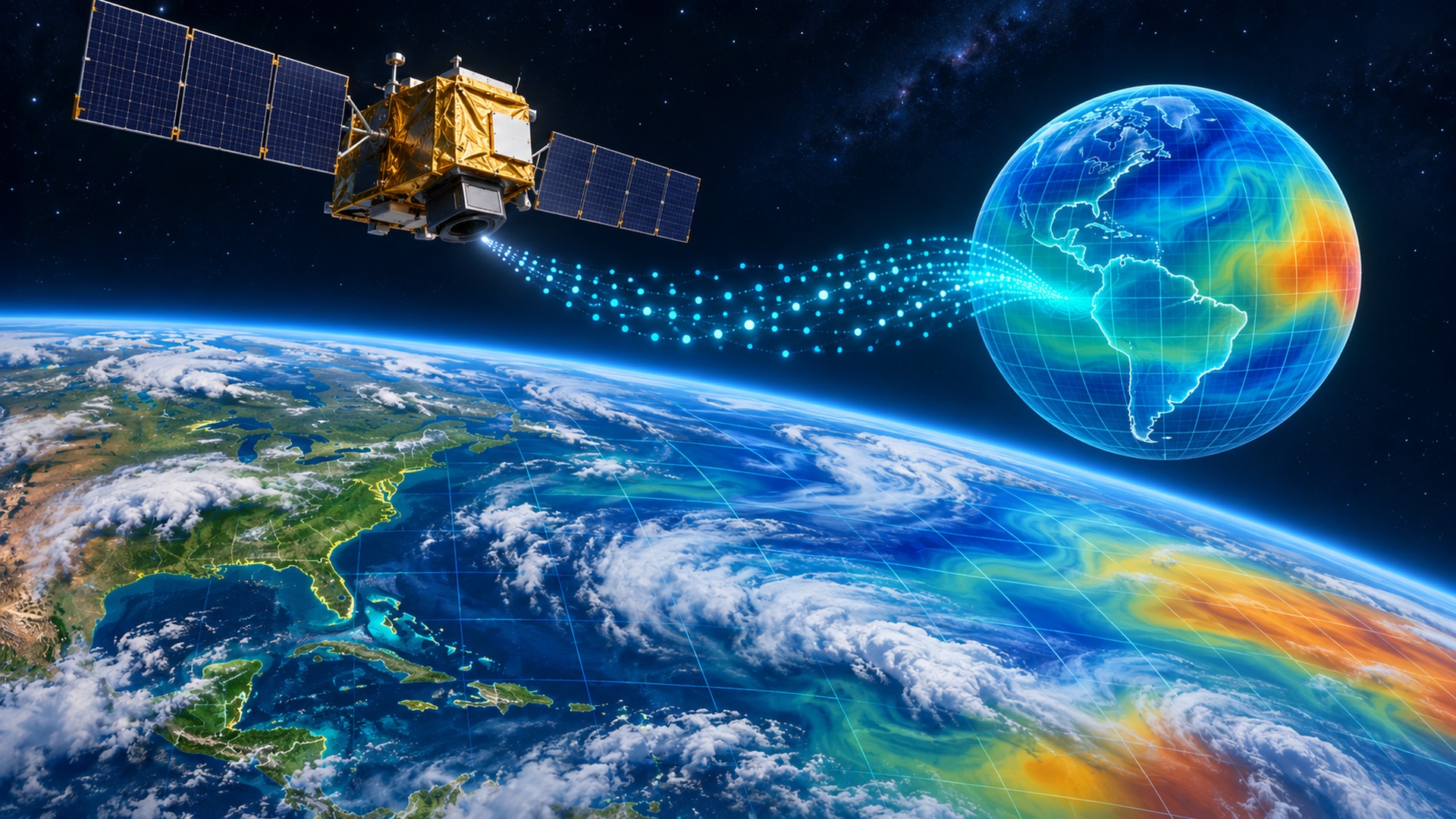
WeatherNext 3 is an AI model developed by Google that generates hourly weather forecasts using satellite data and other inputs. Recent announcements highlight its launch, the addition of satellite data for finer resolution, and its inclusion in a broader suite of language models reaching 300 languages. The model is also mentioned in context of new evaluation standards and Anthropic's participation.
2 stories mentioning WeatherNext 3 since 10 November 2026, newest first, each with its sources and discussion. Follow to see new ones on your front page.
-
Tomorrow.io research shows better starting data improves AI weather forecasts
Tomorrow.io published research on November 17 showing that improving initial atmospheric data enhances forecasts from Microsoft's Aurora 1.5 and Google DeepMind's WeatherNext 2 models without altering the underlying…
1 sourceUnite.AI -
Google DeepMind releases SatWeave and pardig weather datasets
Google DeepMind has released two foundational datasets, SatWeave and PARDIG, to support the development of weather, hydrology, and climate applications. These datasets were key to the recent release of the WeatherNext…
1 source primary sourceGoogle DeepMind

Questions about WeatherNext 3
What is the latest WeatherNext 3 news?
As of 18 November 2026: Tomorrow.io research shows better starting data improves AI weather forecasts. Tomorrow.io published research on November 17 showing that improving initial atmospheric data enhances forecasts from Microsoft's Aurora 1.5 and Google DeepMind's WeatherNext 2 models without altering the underlying forecast models.
What is WeatherNext 3?
WeatherNext 3 is an AI model developed by Google that generates hourly weather forecasts using satellite data and other inputs. Recent announcements highlight its launch, the addition of satellite data for finer resolution, and its inclusion in a broader suite of language models reaching 300 languages. The model is also mentioned in context of new evaluation standards and Anthropic's participation.