300+ US data center moratoriums have delayed only three projects, analysis finds
SemiAnalysis reported that more than 300 local data‑center construction moratoriums, covering roughly 20 GW of capacity, have so far delayed only three projects – about 2.3 GW of the 21 GW located in moratorium zones. The firm’s audit shows just 1.5 GW of the covered capacity is postponed, with New York’s pause adding another 0.8 GW.
Key points
- Over 300 moratoriums cover ~20 GW but only ~1.5 GW delayed, affecting three projects (2.3 GW).
- Forecast shows 38 GW of U.S. data‑center capacity slated for 2027, more than double 2026.
- Texas Gov. Greg Abbott’s TCEQ permit freeze could pause projects until mid‑December, adding ~0.8 GW delay.
Despite the perception that these bans are choking the U.S. build‑out, the forecast for 2027 still expects 38 GW of new data‑center IT capacity – more than double the 2026 figure – with 22 GW under vertical construction and 16 GW financed. The analysis notes that moratoriums often miss the site, permit or timeline, and rarely affect projects already permitted or under construction. Notable exceptions include Texas Gov. Greg Abbott’s directive to the Texas Commission on Environmental Quality to halt all data‑center permits, a pause expected to last until the ERCOT review is completed in mid‑December, and a Pennsylvania township pause that delayed NorthPoint’s special exception.
The report concludes that moratoriums would need to be far more widespread and restrictive to meaningfully slow the overall data‑center expansion, though political sentiment remains mixed, with a recent poll showing more Americans view data centers negatively.
300-plus local data center bans have only delayed just three US projects
Tom's Hardware · 18 October 2026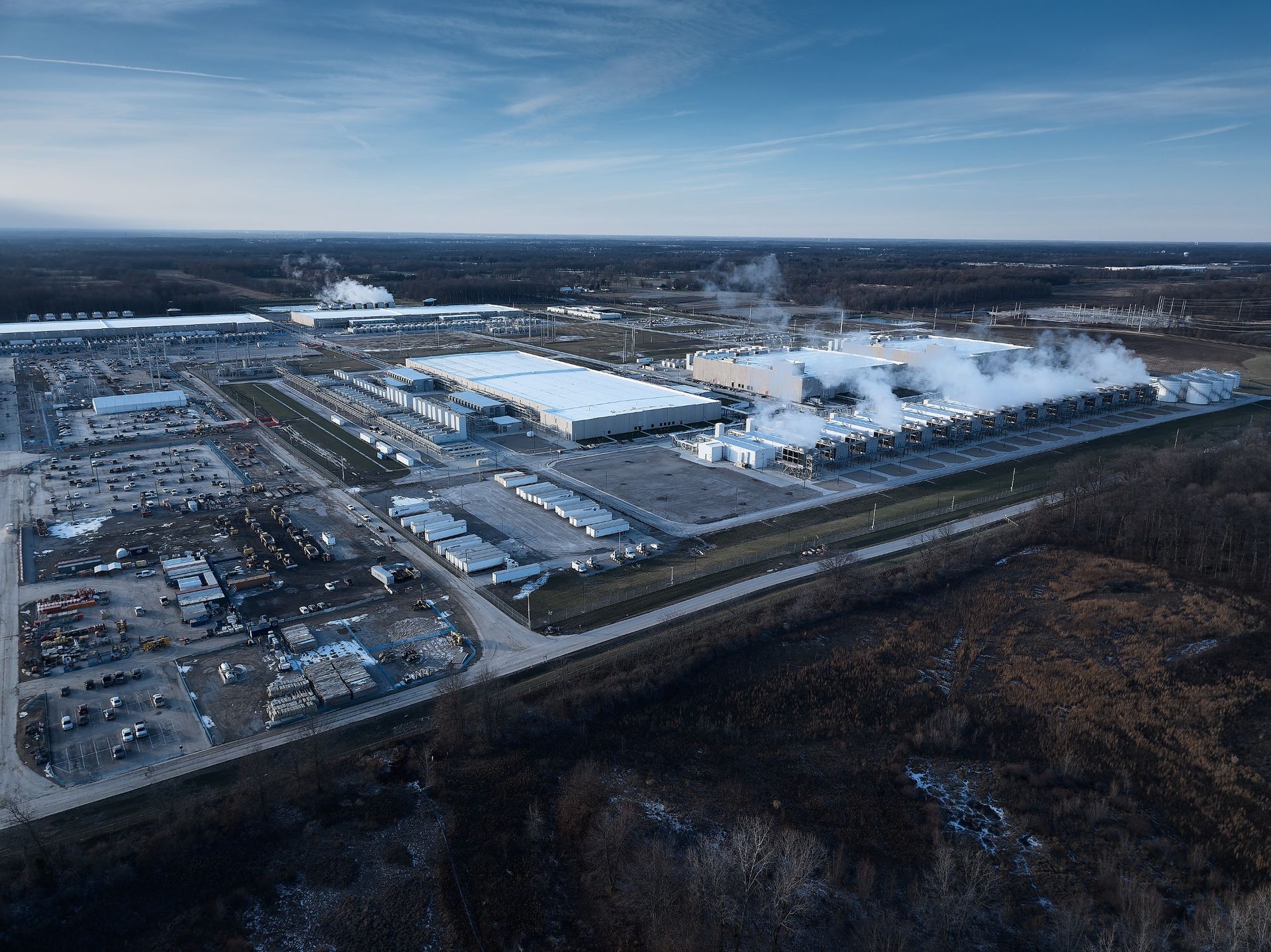
Loading the full article…
This text was published by Tom's Hardware and written by Shane Downing. It is reproduced here with attribution so you can read it in full; the rights remain with the publisher. Read it at the source ↗
The headline, key points and digest above were generated by Digest AI's editorial model from the linked sources. Automated summaries can contain errors: the sources are the record. Spotted a mistake? Tell us. Published by Martin K., who runs Digest AI and handles corrections.
More in Policy & Regulation
All →- Apple, Amazon and Meta could face privacy challenges from always‑listening AI wearables · 1 src
- LinkedIn flags AI-generated posts, sees 40% drop in slop views · 1 src
- IMF chief warns cybercrime turbocharged by AI could erode trust in financial system · 1 src
- Anthropic pitches confidential AI safety bill to US lawmakers with $1B damage and 50-casualty thresholds · 13 src
- German courts hold Google liable for AI-generated search overviews · 1 src
Comments
via GitHub Discussions