AI agents identify two room-temperature magnetic semiconductor candidates
A team of AI agents and a researcher designed a new Luttinger-compensated magnet, YBaMnFeO₅, and rediscovered KV[Cr(CN)₆], a 1999 compound, as potential materials for spintronic memory. Both are predicted to have near-zero net magnetism, semiconductor properties, and spin-sorted electron windows larger than thermal noise at room temperature—key for efficient data storage and low-power switching.
Key points
- AI agents designed **YBaMnFeO₅**, a 5-element Luttinger-compensated magnet with 2.35 eV gap but may scramble at synthesis temps
- **KV[Cr(CN)₆]** (1999) shows 2.1 eV gap, 376 K magnetism, and spin windows larger than thermal noise at room temp
- Neither material’s spin sorting verified experimentally; team shares raw data on GitHub for transparency
The YBaMnFeO₅ candidate, made of five elements, shows a 2.35 eV band gap and spin windows of 1.0 eV (holes) and 1.4 eV (electrons). However, its atomic arrangement may scramble at synthesis temperatures (900–1300 °C), risking loss of spin sorting. KV[Cr(CN)₆], a Prussian-blue relative, has a 2.1 eV gap and windows of 2.6 eV (holes) and 1.6 eV (electrons). Its 1999 sample retained magnetism up to 376 K (103 °C), though water in its pores may weaken effects. Neither material’s spin sorting has been experimentally confirmed. The team’s simulations used density functional theory (PBE+U and HSE06 approximations).
Opus 5.5 agents discover two room-temperature magnetic semiconductor candidates
vals.ai · 5 October 2026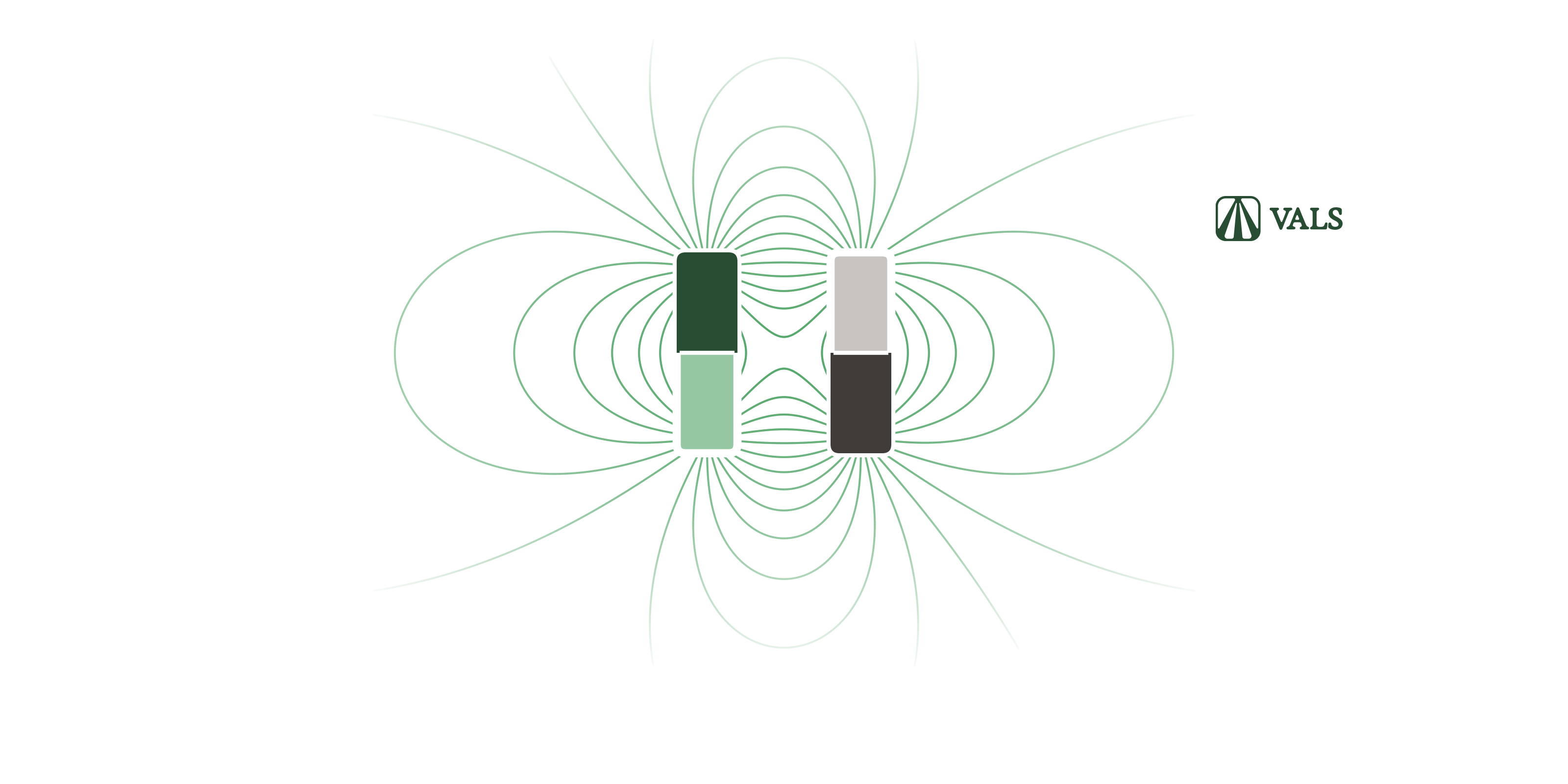
Loading the full article…
This text was published by vals.ai and written by Geby Jaff. It is reproduced here with attribution so you can read it in full; the rights remain with the publisher. Read it at the source ↗
Coverage and discussion
1source- Hacker News discussion · 64 pointsnews.ycombinator.com
The headline, key points and digest above were generated by Digest AI's editorial model from the linked sources. Automated summaries can contain errors: the sources are the record. Spotted a mistake? Tell us. Published by Martin K., who runs Digest AI and handles corrections.
More in Research
All →- Researchers present ProFormer for classifying proteomic data · 1 src
- Simon Willison tests Qwen3.8-27B arithmetic in words · 1 src
- Researchers track Chinese AI agent fleet that may run on Tencent, targeting Alibaba's Amap · 1 src
- Deep learning pipeline differentiates HCM from cardiac amyloidosis · 1 src
- ResearchAndMarkets.com releases Argentina data center market report projecting value to USD 825 million · 1 src
Comments
via GitHub Discussions