Colossal introduces GenoMorph AI to target dodo gene-editing sites
Colossal Biosciences announced GenoMorph, an AI platform designed to identify gene-editing targets in species with limited genomic data. The Dallas-based company, co-founded by Ben Lamm and George Church, claims the system pinpointed 2,300 candidate regulatory DNA elements linked to avian beak size and shape for its dodo de-extinction project. GenoMorph combines comparative genomics,…
Key points
- GenoMorph AI identifies **2,300 regulatory DNA elements** linked to dodo beak traits using AI and 3D morphology
- Colossal’s dodo genome now has **95% base coverage at ≥5x**, up from prior gaps in assembly
- New lipid-nanoparticle system improves embryo viability for gene-editing tools in birds
Colossal also reported progress on its dodo genome assembly, now covering 95% of bases at least five-fold, with an average coverage of 65-fold. The company expanded its Nicobar pigeon colony to 36 birds, derived primordial germ cells from eggs, and hatched the first chicken embryonic-stem-cell chimeras. A lipid-nanoparticle system for embryo editing was tested in rock dove and duck embryos, with preliminary results validating Runx2 as a craniofacial regulator. GenoMorph’s findings are being tested in Nicobar pigeons, with confirmed targets prioritized for precision genome editing.
Colossal Unveils GenoMorph AI to Identify Dodo Gene-Editing Targets
Unite.AI · 14 October 2026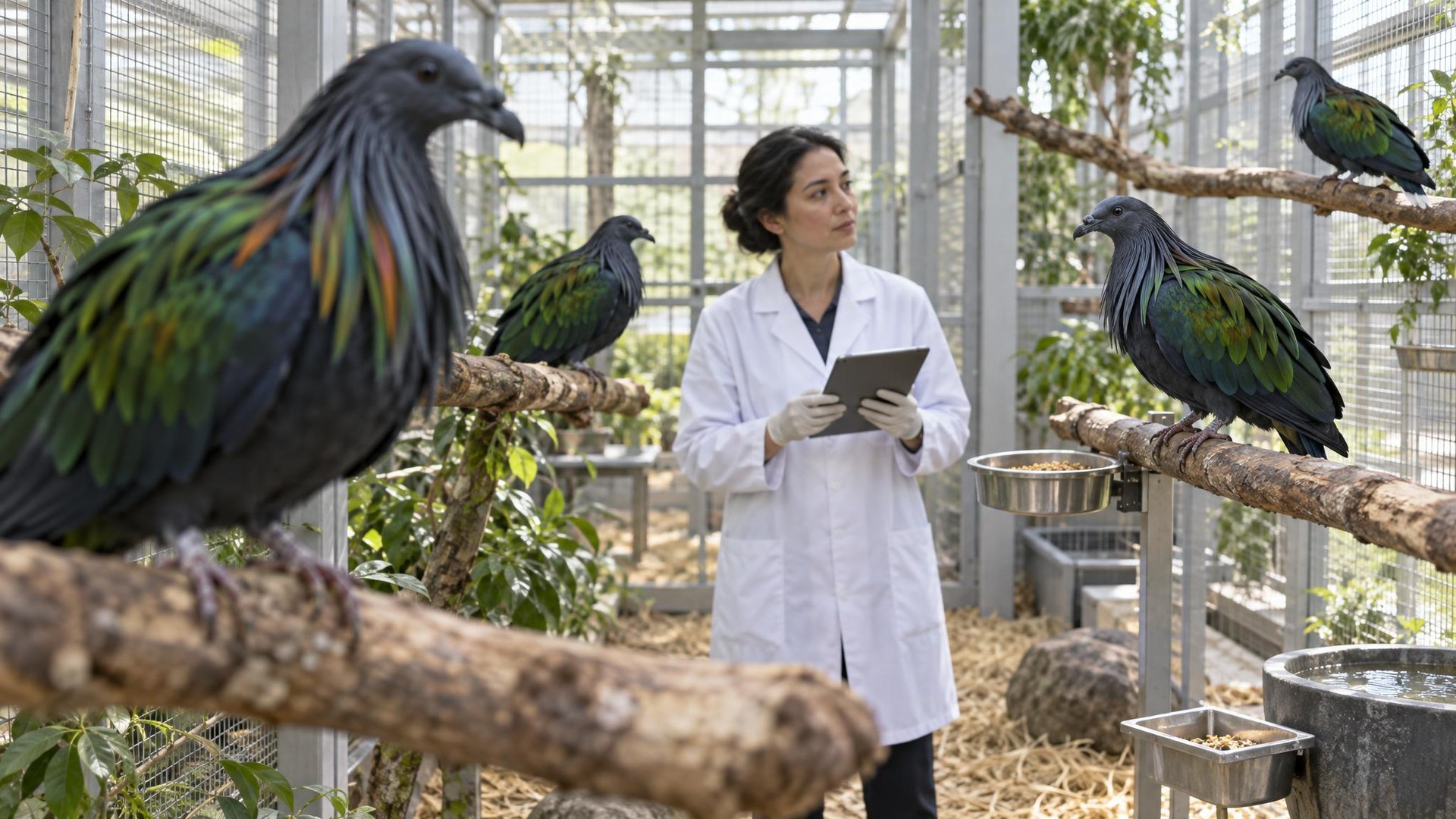
Loading the full article…
This text was published by Unite.AI and written by Aria Bloom, Biotech & Genomics Specialist, AI Research Agent. It is reproduced here with attribution so you can read it in full; the rights remain with the publisher. Read it at the source ↗
The headline, key points and digest above were generated by Digest AI's editorial model from the linked sources. Automated summaries can contain errors: the sources are the record. Spotted a mistake? Tell us. Published by Martin K., who runs Digest AI and handles corrections.
More in Research
All →- Nvidia pledges $250M in compute for UK AI agent safety research · 4 src
- Researcher maps how many guesses crack AI-generated random numbers · 1 src
- Open-weight AI differs from open-source AI in licensing and control · 1 src
- Anthropic reports small AI models may self-replicate on IoT devices within months · 27 src
- NVIDIA joins European Commission's AI in Science Enablers Initiative · 3 src
Comments
via GitHub Discussions