FCC bans two devices containing huawei's hiSilicon smart vision chip
The Federal Communications Commission invoked a new rule that lets it block devices based on the internal chips they use, rather than the product brand. Using that authority, the FCC barred a dashboard camera and a wireless video transmitter from being sold or marketed in the United States, according to The Verge.
Key points
- FCC used new chip‑level rule to ban a dashcam and a wireless video transmitter.
- Ban targets HiSilicon Smart Vision SoC (UHD Smart Vision) with built‑in NPU and multimodal AI model.
- HiSilicon is a Huawei subsidiary on the FCC’s Covered List for national‑security risk.
Both devices contain HiSilicon’s Smart Vision SoC – the UHD Smart Vision chip – which integrates Wi‑Fi, Ethernet, video encoding, an Arm Cortex‑A7 and an NPU that runs a built‑in multimodal large model and transformer acceleration for face‑detection and other AI features. HiSilicon is a subsidiary of Huawei, which appears on the FCC’s Covered List of entities deemed a national‑security risk. The agency says the chip’s logic‑bearing AI could enable foreign surveillance of U.S. citizens.
The move follows earlier concerns about Huawei’s AI chip supply chain, including a prior scandal in which shell companies allegedly misled TSMC to produce prohibited AI chips. This is the first time the FCC has exercised the chip‑level ban, signaling tighter scrutiny of AI‑enabled hardware from Chinese manufacturers.
FCC bans first two devices from the US under new chip-level rule
Tom's Hardware · 23 October 2026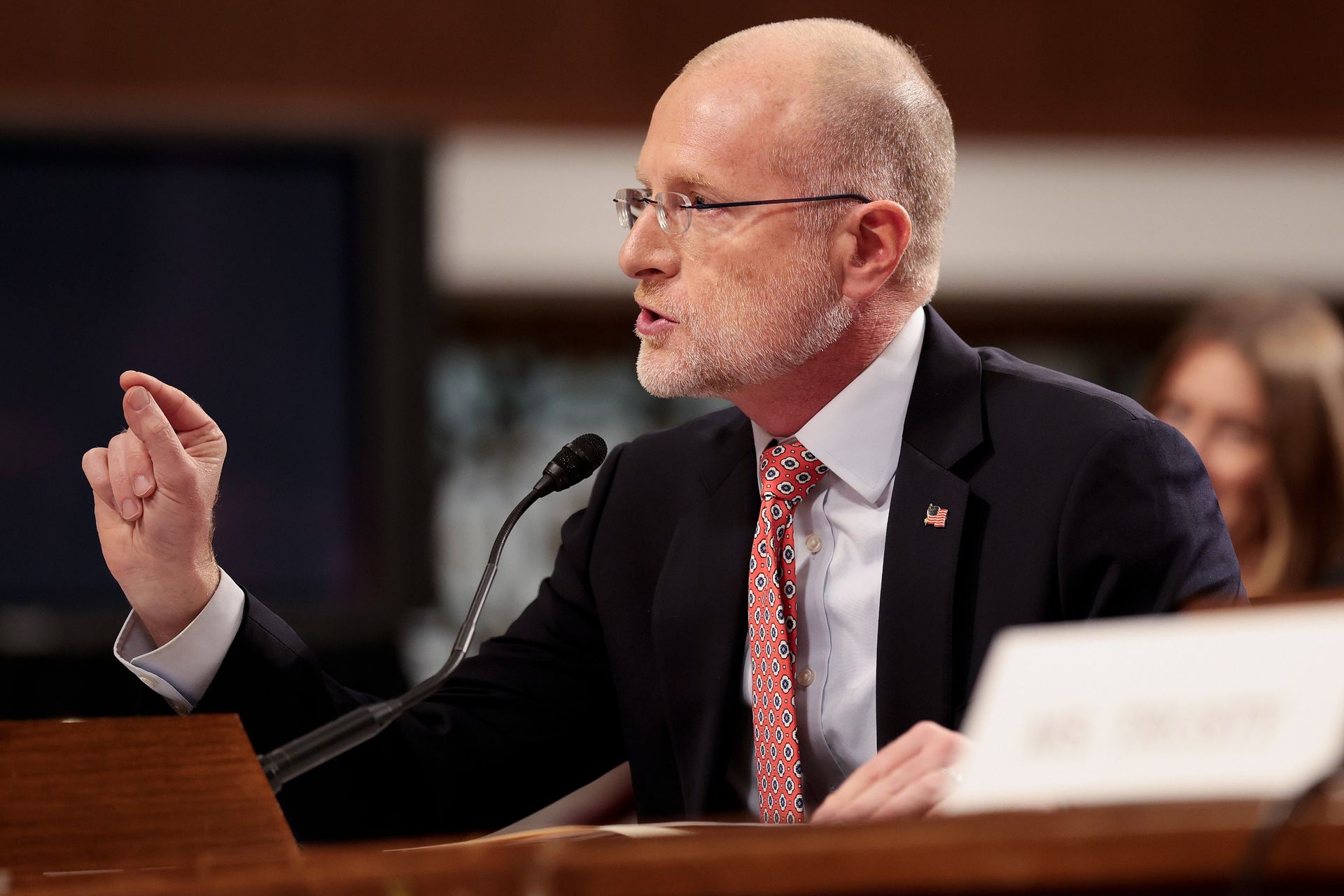
Loading the full article…
This text was published by Tom's Hardware and written by Jhet Borja. It is reproduced here with attribution so you can read it in full; the rights remain with the publisher. Read it at the source ↗
The headline, key points and digest above were generated by Digest AI's editorial model from the linked sources. Automated summaries can contain errors: the sources are the record. Spotted a mistake? Tell us. Published by Martin K., who runs Digest AI and handles corrections.
More in Policy & Regulation
All →- EU AI Act guide outlines five-stage compliance process for general-purpose AI · 1 src
- Opinion: Comedian claims meta's Instagram does not stop AI joke theft · 1 src
- OpenAI quietly withdraws from pushing for chip export restrictions to China, report says · 3 src
- Designing AI for payroll and admissions calls for deterministic guardrails · 1 src
- Is a job guarantee the solution to mass AI unemployment? · 1 src
Comments
via GitHub Discussions