FDA clears DeepHealth Mammo Risk AI for breast cancer prediction
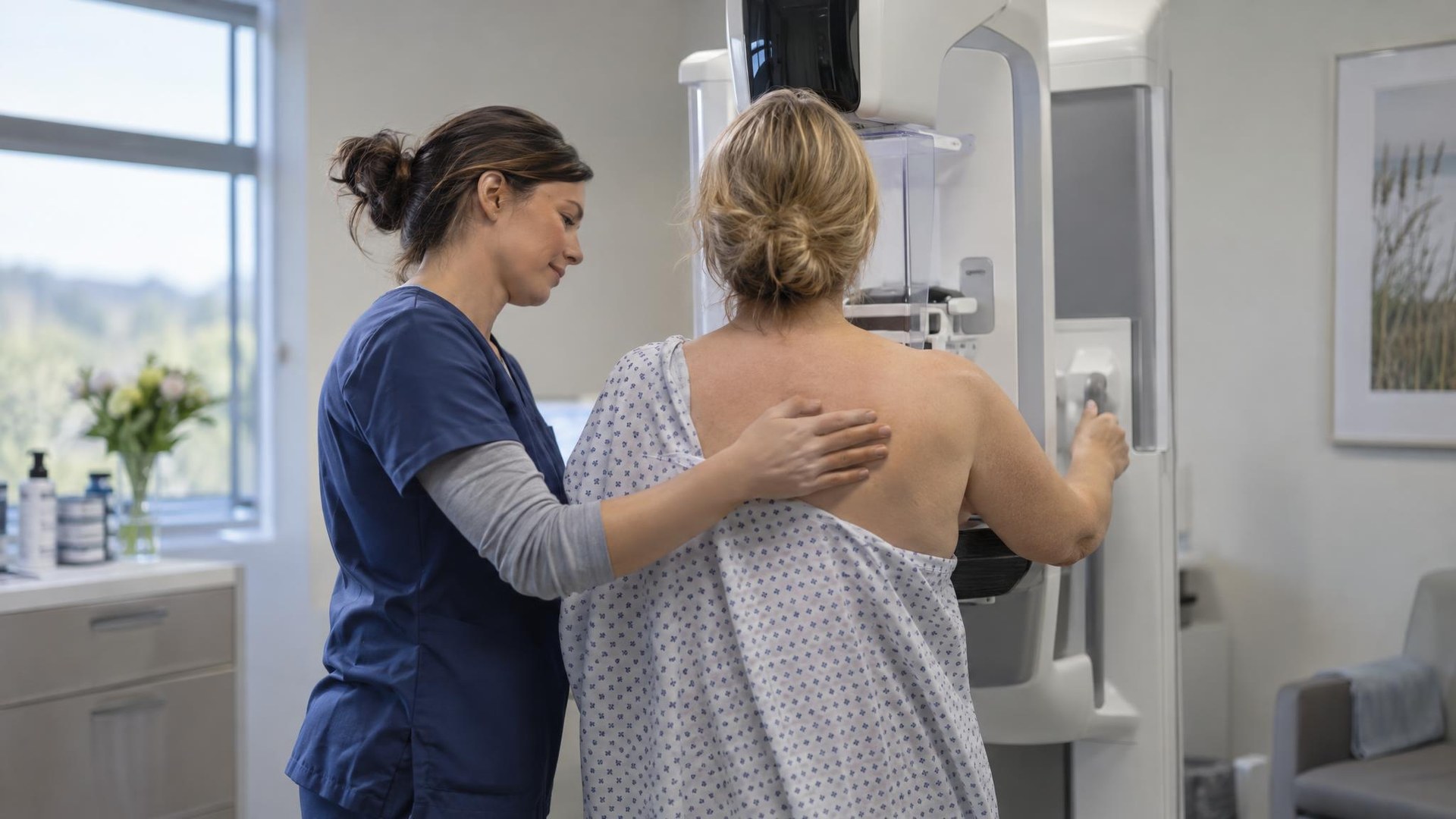
DeepHealth's Mammo Risk AI, cleared by the FDA through the 510(k) pathway on November 23, 2026, predicts three- to five-year breast cancer risk from existing 3D mammograms. The software is compatible with multiple vendors and was validated in a multicenter study of over 65,000 screening mammograms at ten U.S. sites.
Key points
- DeepHealth's Mammo Risk AI cleared by FDA for breast cancer risk prediction
- Validated in multicenter study of over 65,000 screening mammograms
- Compatible with multiple vendors and available across the U.S.
DeepHealth describes Mammo Risk as the first FDA-cleared image-based breast-cancer risk-prediction solution for 3D mammography. The AI uses an independent, multicenter pivotal study to demonstrate consistent performance across Black women and those with dense breasts. New AMA Category III codes track utilization of risk scores but do not guarantee payer reimbursement. DeepHealth plans to integrate Mammo Risk into its mammography screening initiatives, including the Enhanced Breast Cancer Detection program, though integration is planned rather than completed. The clearance allows Mammo Risk to join DeepHealth's Radiology AI Suite and complements their existing cancer-detection technology with future-risk prediction.
The headline, key points and digest above were generated by Digest AI's editorial model from the linked sources. Automated summaries can contain errors: the sources are the record. Spotted a mistake? Tell us. Published by Martin K., who runs Digest AI and handles corrections.
More in Enterprise & Industry
All →- Google launches Workspace MCP servers and CLI for AI agents with new usage tiers · 3 src
- Perplexity releases guide on permission and citation tests for AI search · 1 src
- RapidCanvas pairs AI platform with engineers to build enterprise workflows · 1 src
- Harrington: AI agents need clear data context · 1 src
- Supply chain leaders urged to test AI planning tools on real workflows before buying · 1 src
Comments
via GitHub Discussions