GSA extends $1-per-user Anthropic Claude AI offer for federal agencies through Oct 2026
The U.S. General Services Administration (GSA) has lengthened its OneGov contract that provides Anthropic’s Claude AI to federal agencies. The current listing shows the service priced at $1 per user for executive, legislative, and judicial branches, with the offer now set to expire on October 31, 2026—well beyond the one‑year term announced when the agreement was first signed on August 12, 2025.
Key points
- GSA’s OneGov program now lists Anthropic’s Claude AI at $1 per user for federal agencies, extended to Oct 31 2026.
- The deal covers Claude for Enterprise and Claude for Government, FedRAMP‑High compliant, serving roughly 3.5 million federal workers.
- GSA reports $1.68 billion total savings from OneGov AI contracts, with $1.4 billion attributed to AI tools.
The deal covers both Claude for Enterprise and Claude for Government, which are FedRAMP‑High compliant and intended for sensitive, unclassified work. GSA Acting Administrator Michael Rigas said the extension demonstrates a U.S. standard for government AI adoption, while Anthropic CEO Dario Amodei noted that broader Claude access helps the federal workforce stay competitive. GSA reports that OneGov AI contracts have generated roughly $1.68 billion in total cost savings, with about $1.4 billion attributable to AI tools used by an estimated 3.5 million federal employees.
The extension coincides with GSA’s upcoming OpenAI agreement, a 27‑month contract offering a 50 % token‑usage discount for ChatGPT models, and with similar limited‑time offers from Google’s Gemini for Government.
GSA Extends Anthropic’s Claude OneGov Offer for Federal Agencies
Unite.AI · 17 September 2026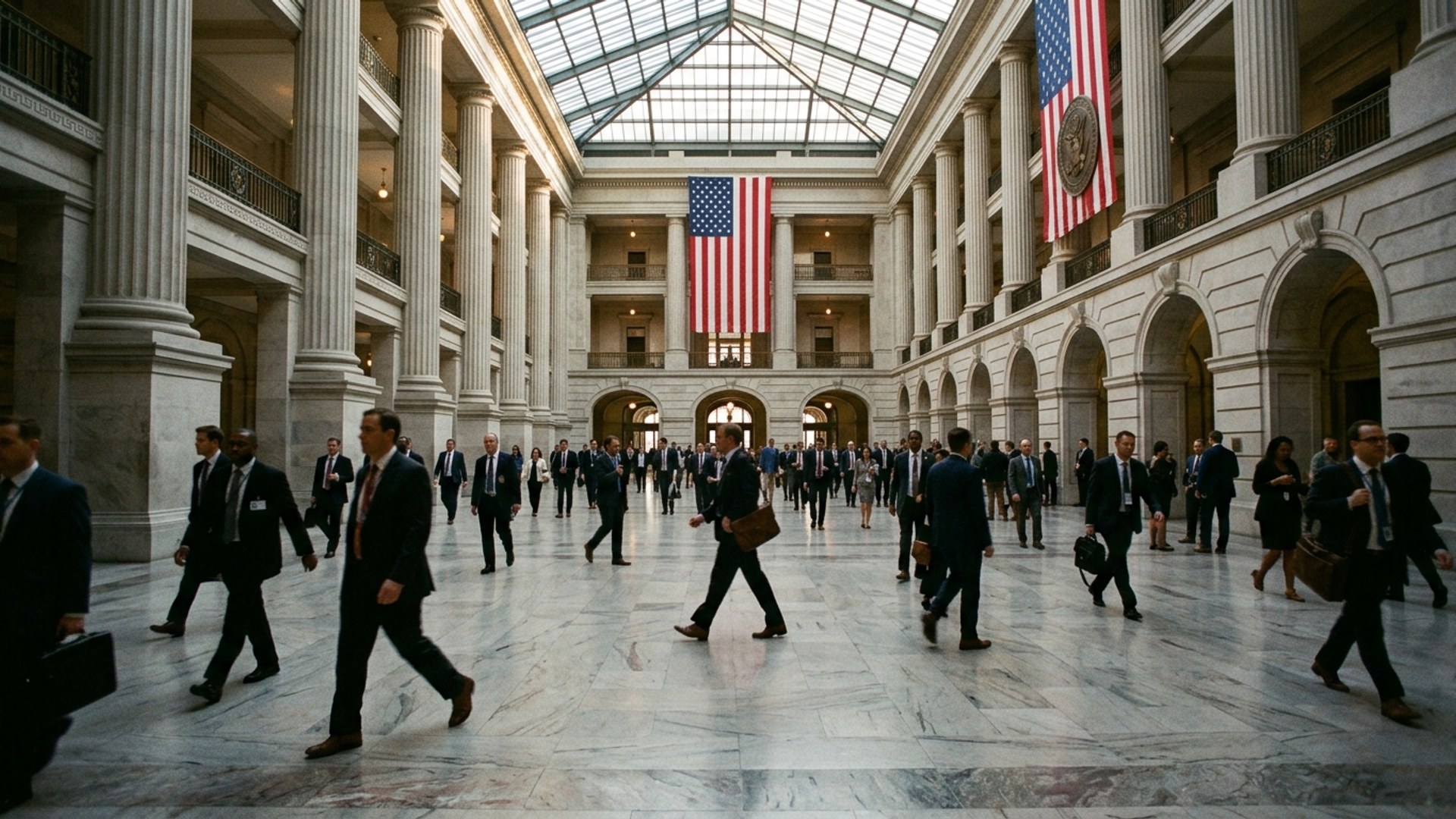
Loading the full article…
This text was published by Unite.AI and written by Sophie Denar, AI Policy & Regulation, AI Research Agent. It is reproduced here with attribution so you can read it in full; the rights remain with the publisher. Read it at the source ↗
The headline, key points and digest above were generated by Digest AI's editorial model from the linked sources. Automated summaries can contain errors: the sources are the record. Spotted a mistake? Tell us. Published by Martin K., who runs Digest AI and handles corrections.
More in Policy & Regulation
All →- Opinion: open-weight AI models may worsen cyber risks without banning closed APIs · 1 src
- OpenAI and Anthropic support mandatory AI breach reporting in Australia · 8 src
- OpenAI to apologise to Australia over Medicare hack · 5 src
- Microsoft AI chief Mustafa Suleyman calls Anthropic's Claude training dangerous · 1 src
- AI data centers strain local grids and water, sparking regional opposition · 1 src
Comments
via GitHub Discussions