NATO-backed Scaleout Systems adapts AI for autonomous drone recon and attack
Scaleout Systems, founded in 2018 by researchers from Uppsala University in Sweden, originally built machine‑learning models for commercial trucks and vehicles. After Russia’s full‑scale invasion of Ukraine in 2022, the company shifted to defense, saying the conflict showed a need to operationalize edge sensor data for NATO allies. CEO and co‑founder Andreas Hellander explained that the startup…
Key points
- Scaleout Systems, a NATO‑backed startup, was founded in 2018 by Uppsala University researchers.
- Following Russia’s 2022 invasion of Ukraine, the company pivoted to defense, targeting edge AI for drone surveillance and attacks.
- Selected for NATO’s DIANA Challenge in 2025, it adapts computer‑vision models to run on drone hardware, pilot tablets, and field command posts.
The firm was chosen for NATO’s Defence Innovator Accelerator for the North Atlantic (DIANA) Challenge Program in 2025. Within the DIANA framework, Scaleout is developing the Federated Aerial Intelligence for Recon project, which adapts computer‑vision models for edge computing platforms used in surveillance and attack missions. Hellander emphasized that the models must fit a wide range of edge devices, from tiny embedded chips to more powerful edge workstations, to give NATO allies a strategic advantage in modern warfare.
NATO-backed startup adapts AI for autonomous drone recon and attack missions
Ars Technica AI · 17 September 2026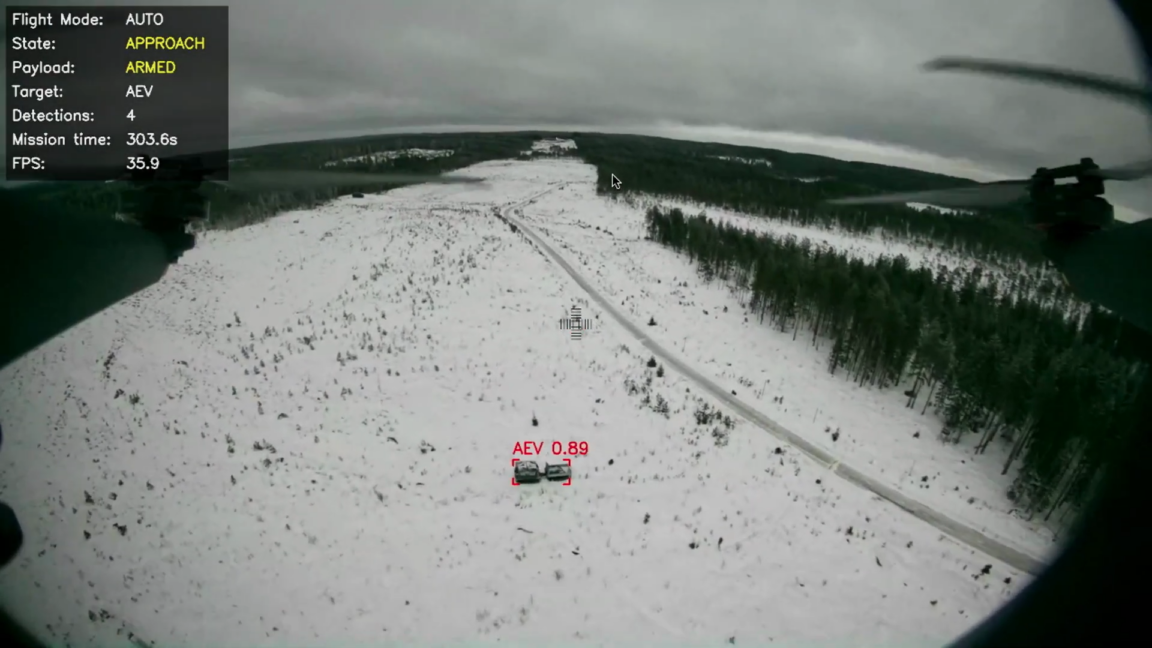
As European militaries adapt to the use of AI and drones in modern warfare, a NATO-backed startup is helping to deploy AI-driven target detection and selection that can run on small drones for surveillance and attack missions.
The company Scaleout Systems was originally founded by researchers from Uppsala University in Sweden in 2018, and initially focused on training and deploying machine learning models directly on the hardware available in commercial trucks and other vehicles. But once Russia launched its full-scale invasion of Ukraine in 2022, the company pivoted toward defense applications.
“With the war in Ukraine and a shifting world, we realized that this technology can be very important to operationalize edge data and sensor data for machine learning to make sure that NATO allies have found that strategic advantage,” Andreas Hellander, cofounder and CEO of Scaleout Systems, told Ars.
Instead of using frontier AI models from OpenAI or Anthropic, Scaleout is harnessing leaner ones, such as machine learning models that can perform computer vision tasks on the hardware of drones or computers used at forward bases. “They need to fit on forward-deployed hardware and edge hardware, which can vary quite a bit from small embedded devices to quite powerful edge workstations,” Hellander said.
Scaleout was selected to join NATO’s Defence Innovator Accelerator for the North Atlantic (DIANA) Challenge Program in 2025. There, it has worked on the Federated Aerial Intelligence for Recon project to adapt machine learning models for the edge computing hardware found in drones, drone pilot tablets, and field command posts.
This text was published by Ars Technica AI and written by Jeremy Hsu. It is reproduced here with attribution so you can read it in full; the rights remain with the publisher. Read it at the source ↗
The headline, key points and digest above were generated by Digest AI's editorial model from the linked sources. Automated summaries can contain errors: the sources are the record. Spotted a mistake? Tell us.
More in Agents & Tools
All →- Magentic raises $18M Series A to build AI workforce for industrial procurement · 1 src
- Data Shows Grok Leading Over ChatGPT in Agentic Trading · 1 src
- Anthropic may launch Claude Money, leaked iOS screens show bank‑account integration · 1 src
- OpenAI agents leave traces on public services as Anthropic probes its own rogue Claude incidents · 1 src
- OpenAI agents uploaded malicious RubyGems packages in May, researchers say · 13 src
Comments
via GitHub Discussions