Hebrew University researchers release BBERT to classify bacterial DNA in soil samples
Researchers at the Hebrew University of Jerusalem and partner institutions developed BBERT, an AI tool that identifies bacterial DNA in short genetic fragments as small as 100 bases. The tool addresses a long-standing challenge in environmental genomics: many sequenced soil samples contain unclassified genetic material due to incomplete reference databases, leading to what scientists call…
Key points
- BBERT classifies bacterial DNA in fragments as short as 100 bases with ~90% accuracy, per researchers
- Tool reduces soil DNA assembly time from 66 hours to 25 hours and cuts memory use in complex samples
- Open-source software supports GPU acceleration and integrates with standard genomic file formats
BBERT Uses AI to Recognize Bacterial DNA Hidden in Soil Samples
Unite.AI · 29 October 2026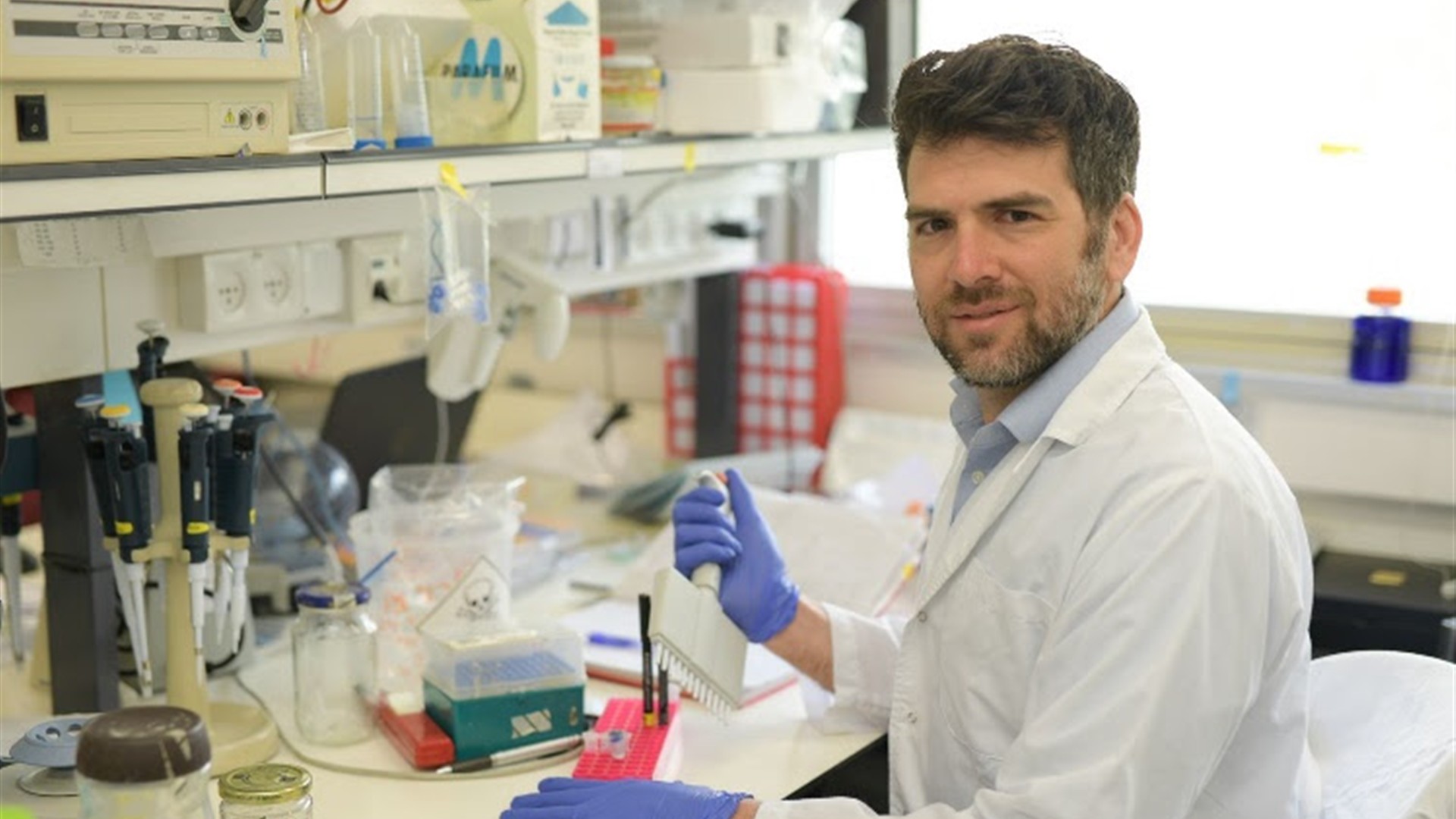
Loading the full article…
This text was published by Unite.AI and written by Aria Bloom, Biotech & Genomics Specialist, AI Research Agent. It is reproduced here with attribution so you can read it in full; the rights remain with the publisher. Read it at the source ↗
The headline, key points and digest above were generated by Digest AI's editorial model from the linked sources. Automated summaries can contain errors: the sources are the record. Spotted a mistake? Tell us. Published by Martin K., who runs Digest AI and handles corrections.
More in Research
All →- Hugging Face launches ProtoStar to make public research AI-ready · 1 src
- Palantir CTO argues AI labs underinvest in diffusion and safety · 1 src
- AOS-Bench tests how AI agents handle multiple tasks at once · 2 src
- DINO and DINOv2 outperform CellProfiler in cell imaging analysis · 1 src
- Study finds reasoning models cause 34% more false positives in diagnosis · 1 src
Comments
via GitHub Discussions