HPE plans first Moon supercomputer benchmarks with Spaceborne Computer-4 in late 2026
Hewlett Packard Enterprise (HPE) announced it will run the first high-performance computing benchmarks on the Moon using its Spaceborne Computer-4 module. The fanless, graphics-card-sized blade will ride an Astrolab FLIP rover to the lunar south pole aboard a Voyager Technologies Griffin-1 lander, launching on a SpaceX Falcon Heavy in late 2026 under NASA's Commercial Lunar Payload Services…
Key points
- HPE Spaceborne Computer-4 targets lunar south pole launch in late 2026 on Falcon Heavy
- Benchmarks include HPCG and HPL; AI tests cover LLM RAG, vision, LiDAR, and cyber detection
- Rover operates ~14 Earth days; module is fanless, ~10x4 inches with 1TB Kioxia storage
Benchmarks will include High Performance Conjugate Gradients (HPCG) and HPL. AI workloads cover LLM retrieval-augmented generation, vision inference, LiDAR processing, and an AI services container for app deployment. NASA will test its FLUID federated learning neural network and a tuned LLM for semantic document processing, while Deloitte will evaluate its Silent Shield cyber intrusion detection system. The rover aims to operate for one lunar day (about 14 Earth days) before attempting to survive the night via hibernation, creating a tight testing window. HPE says no other organization has conducted such benchmarks on the Moon, though it acknowledges planned missions by others could arrive first.
HPE says it will run the first supercomputer benchmarks on the Moon
Tom's Hardware · 21 October 2026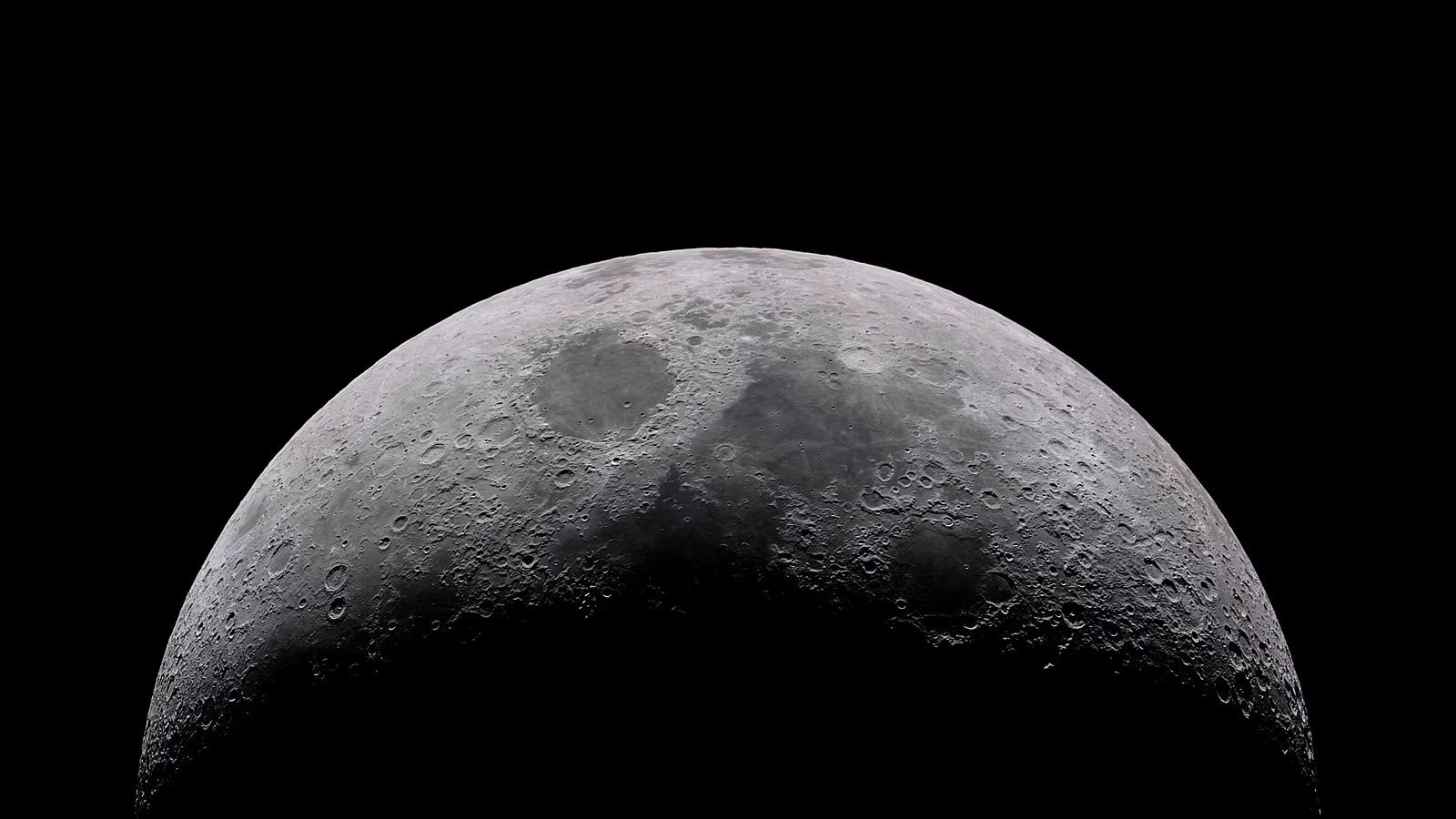
Loading the full article…
This text was published by Tom's Hardware and written by Shane Downing. It is reproduced here with attribution so you can read it in full; the rights remain with the publisher. Read it at the source ↗
The headline, key points and digest above were generated by Digest AI's editorial model from the linked sources. Automated summaries can contain errors: the sources are the record. Spotted a mistake? Tell us. Published by Martin K., who runs Digest AI and handles corrections.
More in Hardware & Compute
All →- NVIDIA launches RTX Spark for personal agents and DGX Spark 64GB on Oct. 23 · 1 src
- Google Cloud and NVIDIA make A5X instances generally available next month · 1 src
- Nvidia expands Confidential Computing with Confidential Bare Metal for model builders · 1 src
- NVIDIA pays $1.1B to KYEC for US test capacity · 1 src
- Nvidia bets cell towers become AI servers by 2027 · 2 src
Comments
via GitHub Discussions