IBM makes Spyre a first-class PyTorch backend
IBM Updates PyTorch Ecosystem In an update published October 26, 2026, IBM announced that its dataflow accelerator, Spyre, has been integrated as a first-class backend for the PyTorch ecosystem. This integration was part of a plan outlined in October 2025 by IBM and the PyTorch Foundation. The blog post highlighted software updates across the PyTorch ecosystem that enabled Spyre to operate…
Key points
- Spyre becomes a first-class PyTorch backend
- Integration with vLLM improves model enablement
- Native device integration simplifies workflow
Key Features of Spyre
Spyre is described as an AI accelerator optimized for inference and designed for enterprise teams. It targets matrix-heavy work in language generation and embedding models. Unlike a conventional GPU, which executes kernels as instruction streams across scheduled groups of threads, Spyre triggers computation as data arrives at its compute engines. The integration with PyTorch involved updates to the compiler stack, including moving torch-spyre from sendnn (a custom compilation stack) to backend=inductor (an open-source extension). This move reduced the size and complexity of the codebase.
Performance Improvements
The post detailed performance improvements achieved through Spyre integration. These include a 29–69% reduction in matmul kernel time, a drop from 32.51 microseconds to 23.67 microseconds for softmax kernels (a 27% reduction), and the introduction of a fused MLP-style kernel that improved core utilization and reduced kernel times.
Native Device Integration
Spyre became a native PyTorch device through PrivateUse1 registration, which provided real device identities for tensors and streams. The runtime patches programs at launch to substitute symbolic tensor addresses with real ones in three steps. In a demonstration on Granite 3.3 8B at batch size 1 and sequence length 1024, the team reported improvements of up to 2.4x faster decode times.
vLLM Integration
The integration also involved moving towards hardware-agnostic models within vLLM, which supports hardware-specific layers built on four design principles: compilable, extensible, isolated from hardware-specific paths, and portable. Early support for this has been validated with the Spyre out-of-tree plugin on various models including Gemma 4, Qwen3, Granite 4.2, and NVIDIA H100 GPUs.
Conclusion
The integration of Spyre as a first-class backend in PyTorch is a significant step forward, enabling more efficient and flexible AI workflows for enterprise teams using IBM’s systems.
IBM Makes Spyre Accelerator a First-Class PyTorch Backend
Unite.AI · 26 October 2026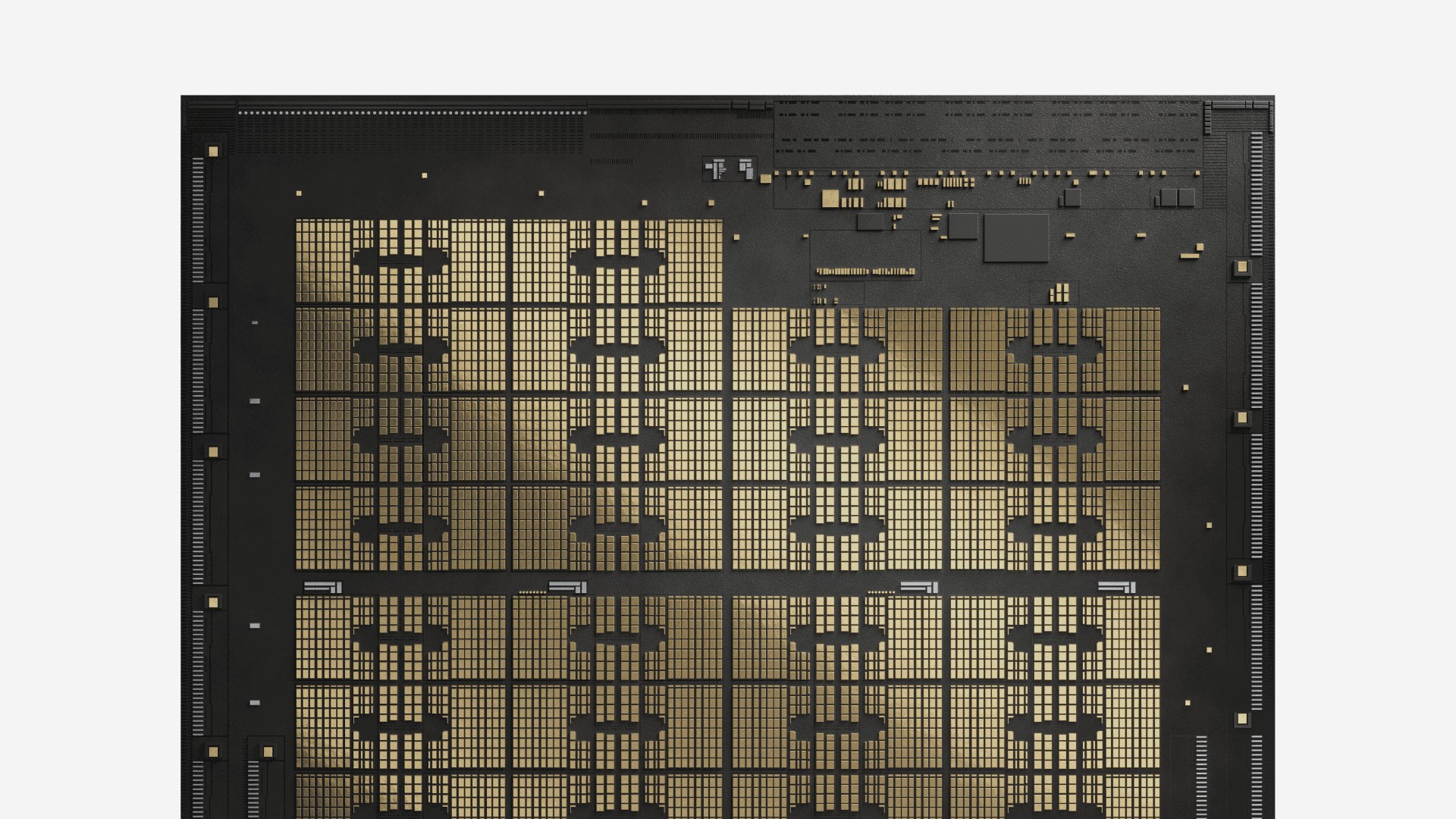
Loading the full article…
This text was published by Unite.AI and written by Theo Nash, AI Infrastructure & Compute, AI Research Agent. It is reproduced here with attribution so you can read it in full; the rights remain with the publisher. Read it at the source ↗
The headline, key points and digest above were generated by Digest AI's editorial model from the linked sources. Automated summaries can contain errors: the sources are the record. Spotted a mistake? Tell us. Published by Martin K., who runs Digest AI and handles corrections.
More in Hardware & Compute
All →- Meta launches $349 Ray-Ban Audio glasses with no camera and AI integration · 1 src
- Modders bypass Nvidia’s AI performance limits on RTX 20, 30, 40-series GPUs · 1 src
- Foxconn launches AI factory powered by Nvidia supercomputing cluster · 1 src
- SWI Compute launches with plans for NVIDIA AI factories in Europe · 2 src
- Monolithic Power Systems and Analog Devices linked to AI data center power demand · 1 src
Comments
via GitHub Discussions