Maker tests GPT-6 Astra for mechanical design of a latte art camera
A maker tested whether GPT-6 Astra could handle mechanical design by building a latte art camera called LATTE Df. The device uses a shutter-like button to drop cinnamon powder through a stencil onto coffee foam, mimicking the Nikon Df camera's exterior. The creator did not operate CAD software directly; instead, they used natural language and photos to guide the AI, which generated models using…
Key points
- Maker built a latte art camera using GPT-6 Astra for design and a Bambu Lab A1 mini for printing.
- Initial prototype failed due to mechanical tilting; AI analyzed photos and proposed a lever-based fix.
- Creator did not use CAD software directly, relying on natural language prompts and visual feedback.
The initial prototype failed because the button mechanism tilted and snagged due to uneven force distribution, a flaw not visible in ideal CAD animations. The AI analyzed photos of the malfunction and proposed three structural fixes. The maker selected a lever-based solution to redirect force to the center, which resolved the issue. This process highlighted that while AI can generate 3D shapes, it requires human feedback on physical constraints like friction and deflection to create functional mechanisms.
The project demonstrates a shift in CAD workflows where AI handles geometry and iteration while humans focus on design intent and physical verification. The author argues that "being able to create a 3D model" is distinct from "designing something that actually works," and that AI can assist in diagnosing root causes of mechanical failures when provided with real-world evidence.
Model page: GPT-6 Astra →
Can AI Handle Mechanical Design? I Tried Making a Latte Art Camera with GPT-6 Astra and a 3D Printer
note.com · 28 September 2026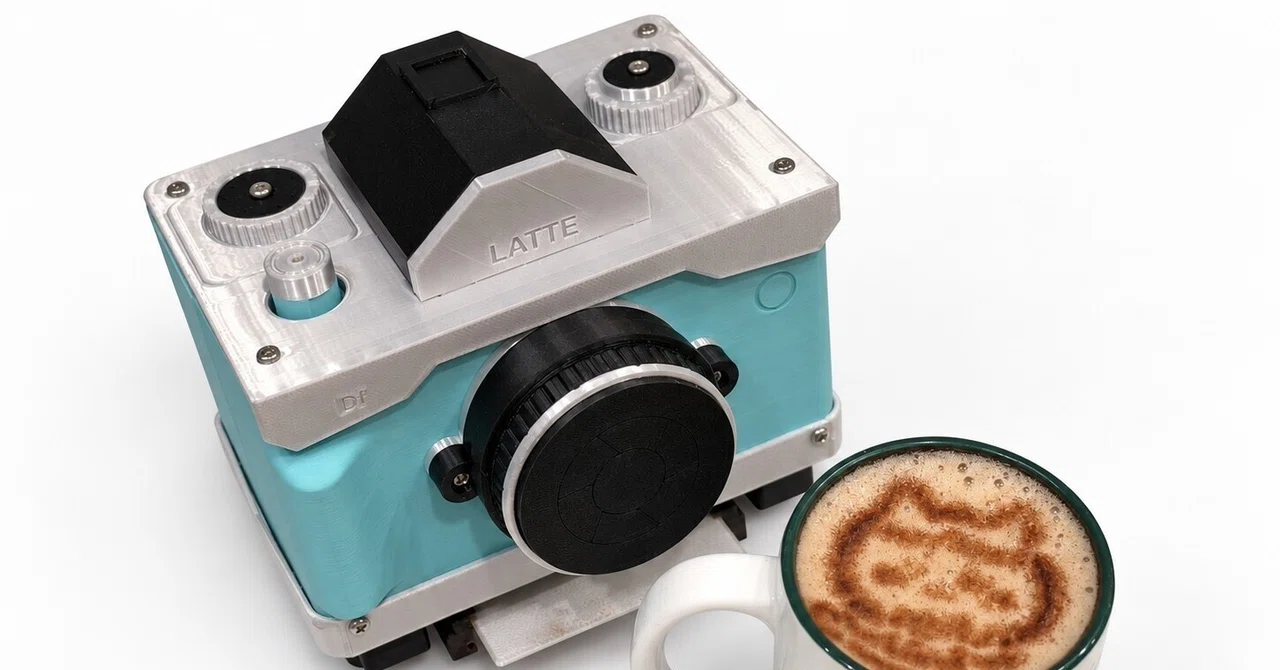
Loading the full article…
This text was published by note.com and written by しろつめくさ. It is reproduced here with attribution so you can read it in full; the rights remain with the publisher. Read it at the source ↗
The headline, key points and digest above were generated by Digest AI's editorial model from the linked sources. Automated summaries can contain errors: the sources are the record. Spotted a mistake? Tell us. Published by Martin K., who runs Digest AI and handles corrections.
More in Research
All →- Open-source decision models Jeff-Qwen3.5-0.8B and Jeff-Gemma4-E2B run in ~30ms on local hardware · 1 src
- Google DeepMind’s AI model adds five days to hurricane warnings · 1 src
- ConTP uses contrastive learning to predict transporter substrate specificity · 1 src
- German researchers introduce ReImaGin for image-based chain-of-thought reasoning · 1 src
- OpenAI contractors fired for using banned AI tools on ChatGPT review tasks · 1 src
Comments
via GitHub Discussions