Microsoft outlines four-tier AI PC roadmap from 8 GB to 128 GB+ memory
Microsoft has published its next-generation Windows AI PC roadmap, categorizing devices into four tiers based on memory capacity and local AI capabilities. The entry-level "Tier 0" starts at 8 GB, supporting basic local context and actions using chips like Intel Core Series 3 and AMD Ryzen 100/200 series. These devices are already available around the $500 US price point.
Key points
- Microsoft defines four AI PC tiers ranging from 8 GB entry-level to 128 GB+ professional workstations.
- Tier 1 mainstream devices require 16 GB+ memory and Copilot+ compliance for local AI tasks.
- Tier 3 systems use server-grade chips like Intel Crescent Island and NVIDIA GB300 for local frontier models.
The mainstream "Tier 1" covers 16 GB to 64 GB memory, meeting Copilot+ standards for local delegated and long-running tasks. This tier includes current hardware like Intel Core Ultra Series 3 "Panther Lake" and AMD Ryzen AI 400, alongside upcoming parts such as Intel Core Ultra Series 4 "Nova Lake" and AMD Ryzen AI 500 "Medusa Point." Premium options in this tier include NVIDIA RTX Spark and AMD Ryzen AI MAX+ 400.
The top two tiers target professionals and builders. "Tier 2" devices feature 128 GB+ memory for building and serving models locally, while "Tier 3" consists of workstation-class systems or "personal supercomputers" capable of running frontier models. These high-end setups utilize server-grade hardware, including Intel's upcoming Crescent Island GPUs (scaling from 160 GB to 512 GB per GPU), NVIDIA GB300 in DGX Stations, and AMD Threadripper Halo Stations. Microsoft positions Windows as the central platform for this hybrid intelligence ecosystem.
Microsoft’s AI PC Roadmap Outlines Next-Gen AMD & Intel Chips, With Entry-Tier 8 GB, Copilot+ Ready 16 GB+, Builder PCs & Supercomputers at 128 GB+
wccftech.com · 2 November 2026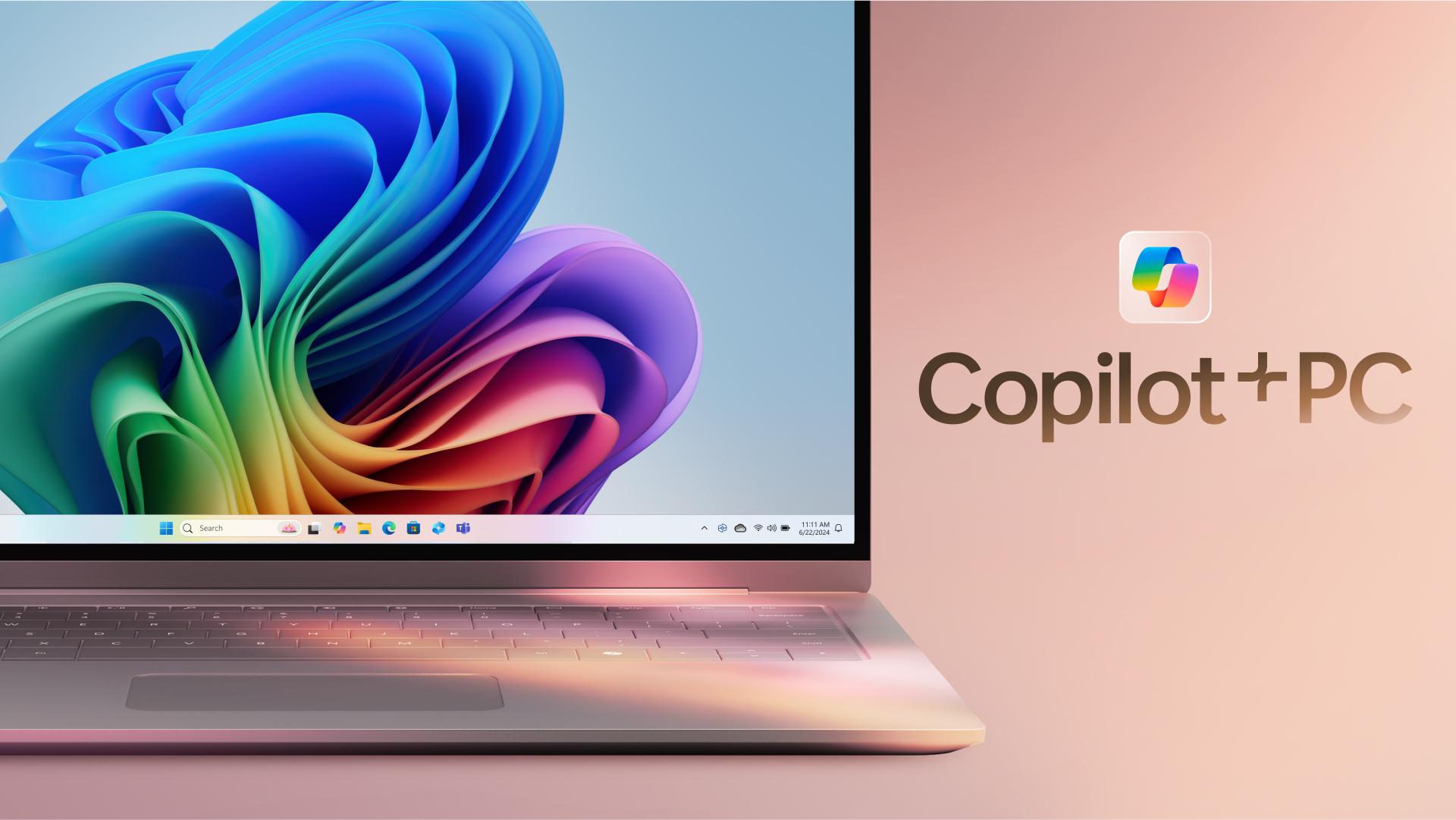
Loading the full article…
This text was published by wccftech.com and written by Hassan Mujtaba. It is reproduced here with attribution so you can read it in full; the rights remain with the publisher. Read it at the source ↗
The headline, key points and digest above were generated by Digest AI's editorial model from the linked sources. Automated summaries can contain errors: the sources are the record. Spotted a mistake? Tell us. Published by Martin K., who runs Digest AI and handles corrections.
More in Hardware & Compute
All →- Micron’s AI memory revenue jumps 256% year-over-year but faces cyclical risks · 1 src
- OpenAI launches Grid Protectors program for Georgia campus · 4 src
- Envision powers live AI workloads with 800V DC system at Ulanqab campus · 2 src
- Smugglers bypass export rules to move HBM chips into China via cheap processors · 1 src
- Huawei reportedly plans to use Samsung, SK Hynix HBM in Ascend 960DT · 2 src
Comments
via GitHub Discussions