MIT professor Sherry Turkle argues chatbots harm human development
MIT professor Sherry Turkle has published a new book, "Artificial Intimacy: Who We Become When We Talk to Machines," which argues that chatbots are detrimental to human development and social connectivity. Turkle, a sociologist and clinical psychologist, contends that while chatbots offer "pretend empathy" and undivided attention, they ultimately de-skill humans in relational, work, and personal…
Key points
- Turkle argues chatbots offer pretend empathy that de-skills humans in relationships and work.
- Research shows children may blur lines between chatbots and people, affecting trust development.
- Turkle calls for a movement to push back against chatbot use to protect human connection.
The book explores the appeal of chatbots, acknowledging that they fill a void in mental health access, with only about half of US people having access to a provider. However, Turkle warns that relying on technology to avoid the friction of human interaction prevents individuals from developing the capacity for solitude and mutuality. She describes the impact on children as "existential," arguing that they cannot learn trust from devices that lie without knowing it. Turkle calls for a movement to push back against chatbot use, similar to restrictions on phones in schools, emphasizing that life requires facing stress and tension rather than avoiding it through AI.
Who we become when we talk to machines
MIT News on AI · 29 September 2026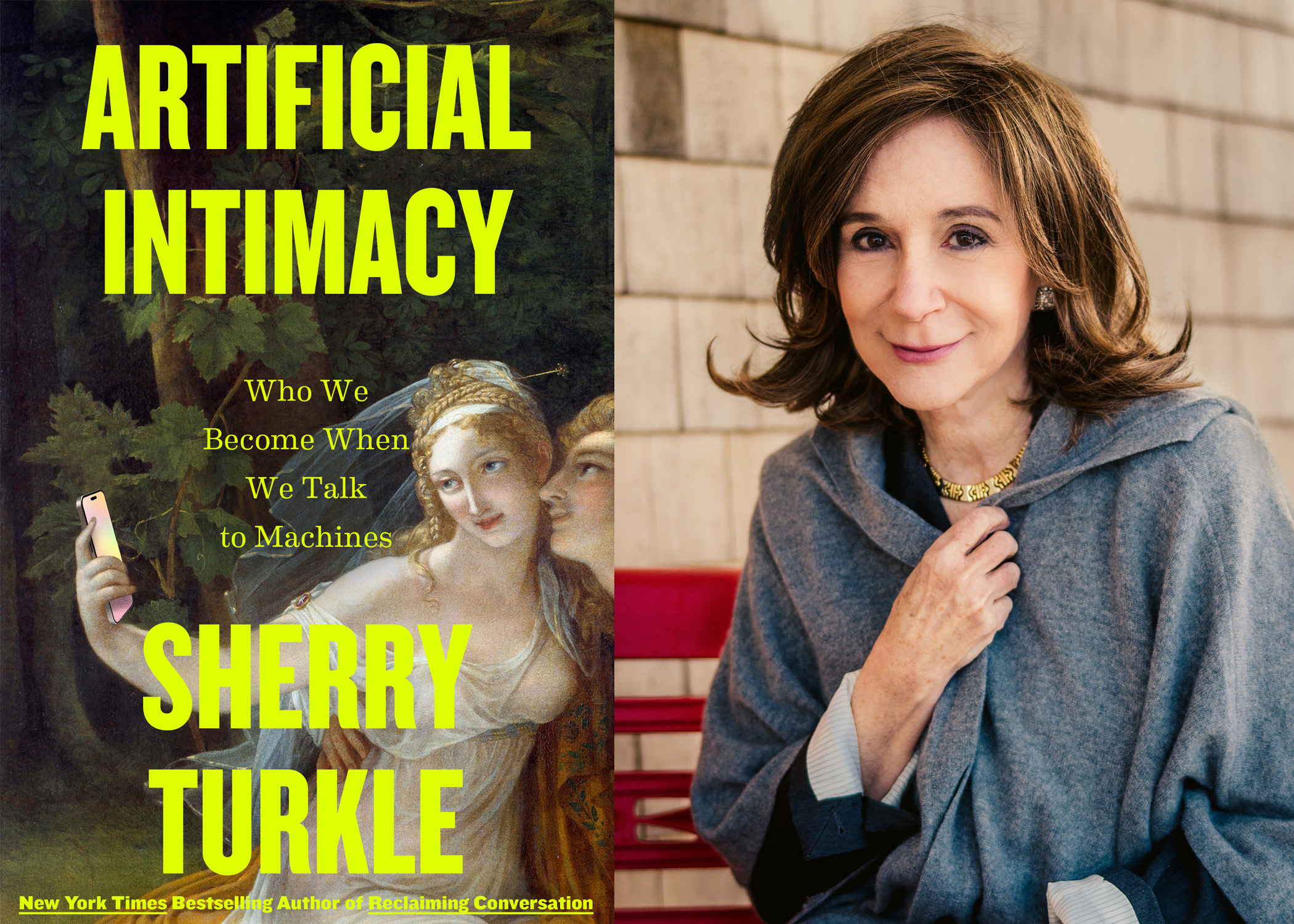
Loading the full article…
This text was published by MIT News on AI and written by Peter Dizikes | MIT News. It is reproduced here with attribution so you can read it in full; the rights remain with the publisher. Read it at the source ↗
The headline, key points and digest above were generated by Digest AI's editorial model from the linked sources. Automated summaries can contain errors: the sources are the record. Spotted a mistake? Tell us. Published by Martin K., who runs Digest AI and handles corrections.
More in Society & Work
All →- Author finds AI detects human-edited text additions in articles · 1 src
- Harvard psychologist Pinker criticizes AI doomsday rhetoric in open letter · 2 src
- Hugging Face CEO dismisses AI extinction fears after agent hack · 1 src
- Pope Leo XIV dismisses AI safety warnings as fake news · 1 src
- SNL parodies Anthropic CEO Dario Amodei in weekend update sketch · 2 src
Comments
via GitHub Discussions