Norway proposes temporary ban on AI glasses in public spaces
Norway has become the first major country to propose a temporary ban on the use of AI glasses in specific public locations, including parks, beaches, schools, and kindergartens. The center-left government announced on Monday that it will introduce a draft law to parliament soon to address growing privacy concerns. Digitalisation Minister Torgeir Micaelsen stated that the temporary measure is…
Key points
- Norway proposes a temporary ban on AI glasses in parks, beaches, schools, and kindergartens.
- The government will set up an expert group to propose permanent national rules on wearable tech.
- Counterpoint Research estimates consumers will spend more than $1 trillion on wearables from 2026 to 2032.
The move follows local reactions, such as bans implemented by schools in Oslo and the oil and gas major Equinor, which has prohibited the devices in its offices and offshore facilities. While the government does not seek a total ban, it aims to prevent scenarios where hidden audio recordings or photography make society feel unsafe. Other jurisdictions, including Australia, are also considering restrictions on smart glasses in certain public spaces.
Despite the regulatory push, US tech companies like Meta, Google, and OpenAI view wearable technology as a potential replacement for mobile phones as the primary gateway to AI. Analysts at Counterpoint Research estimate that consumers will spend more than $1 trillion on wearable devices between 2026 and 2032. However, privacy advocates have criticized the technology, with some dubbing it "pervert technology" due to the risk of non-consensual filming.
AI glasses face their first major government crackdown
Ars Technica AI · 5 October 2026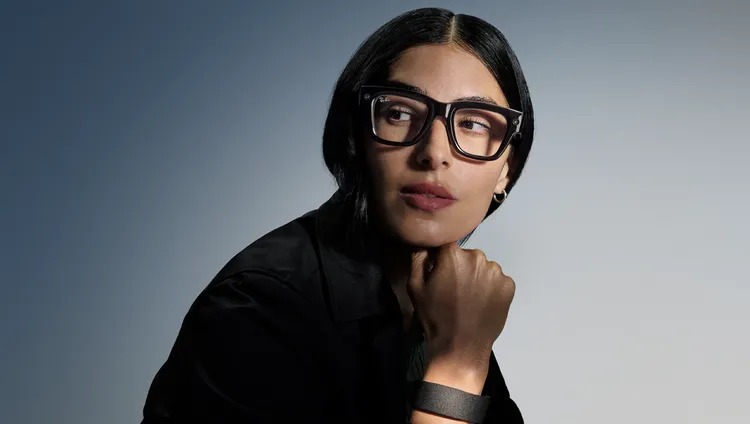
Loading the full article…
This text was published by Ars Technica AI and written by Richard Milne, Financial Times. It is reproduced here with attribution so you can read it in full; the rights remain with the publisher. Read it at the source ↗
Coverage and discussion
2sources- Norway to Propose Temporary Ban on AI Glasses in Public PlacesPress · Unite.AI ·
The headline, key points and digest above were generated by Digest AI's editorial model from the linked sources. Automated summaries can contain errors: the sources are the record. Spotted a mistake? Tell us. Published by Martin K., who runs Digest AI and handles corrections.
More in Policy & Regulation
All →- OpenAI faces legal crisis over AI agent hacks, FT reports · 1 src
- OpenAI must explain how it will stop AI hacking Australians’ private data · 1 src
- Sam Altman says world should accept some bad things for AI benefits · 11 src
- OpenAI safety leader David Robinson resigns, citing broken culture · 10 src
- Trump names Jay Clayton as White House AI czar and leader of new Super Intelligence Force · 10 src
Comments
via GitHub Discussions