OpenAI’s 2022: the year ChatGPT and AI art sparked debates over usage and ethics
In 2022, AI usage shifted toward asking questions and receiving answers, a pattern that began with image generation tools like DALL·E 2 (April), Midjourney (July), and Stable Diffusion (August). These tools popularized the prompt-based workflow, where users describe desired outputs in text, and the AI generates images. Early versions had flaws: DALL·E 2 and Stable Diffusion often produced…
What are you doing with 'ChatGPT'? Understanding your 'AI Age' through how you use it - Part 2: 2022, the era of 'asking questions'
note.com · 4 November 2026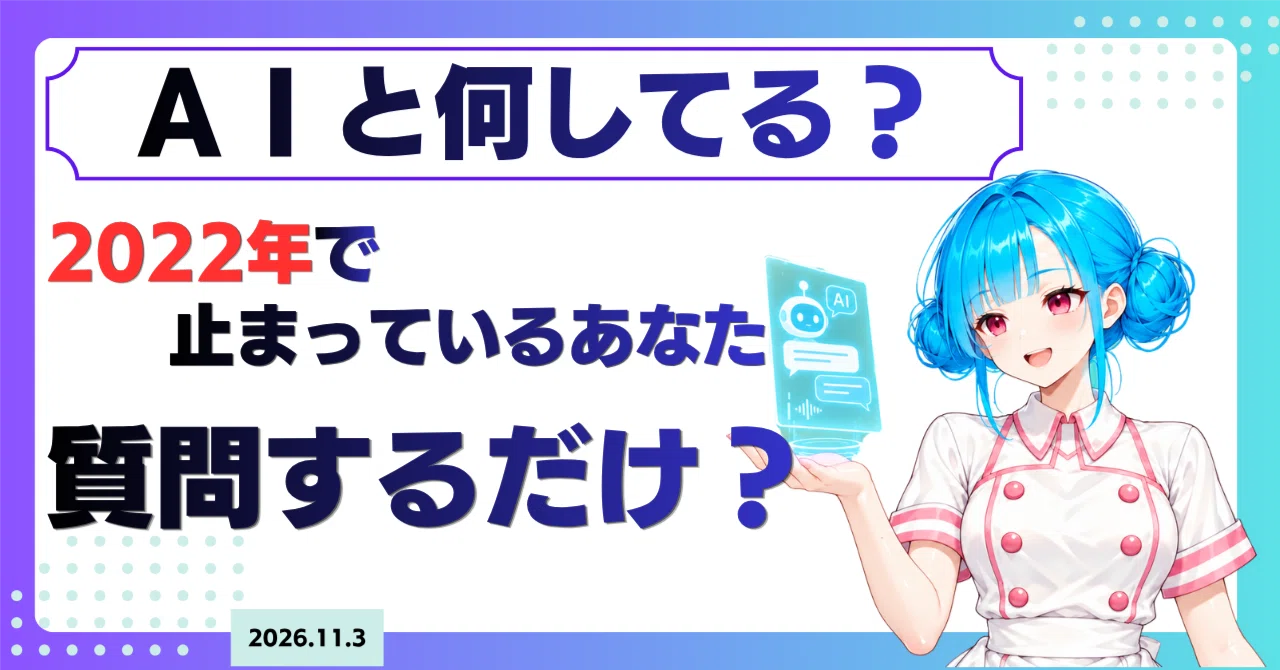
Loading the full article…
This text was published by note.com and written by ウサコッツ パパ. It is reproduced here with attribution so you can read it in full; the rights remain with the publisher. Read it at the source ↗
The headline, key points and digest above were generated by Digest AI's editorial model from the linked sources. Automated summaries can contain errors: the sources are the record. Spotted a mistake? Tell us. Published by Martin K., who runs Digest AI and handles corrections.
More in Generative AI & Models
All →- Deep Principle releases Hydrogen-1.0, a 753B open-weight science model · 2 src
- A new way of measuring AI models suggests China's threat to OpenAI and Anthropic may have been overblown · 2 src
- Building ultra-low-latency voice AI applications on AWS · 1 src
- Google's Gemini 4 Carbon scores 59 on Artificial Analysis' Intelligence Index, one point ahead of Claude Opus 5.5 · 4 src
- Anthropic reportedly prioritizes safety over image generation for Claude · 3 src
Comments
via GitHub Discussions