Tufa Labs compresses 1GB of Wikipedia to 105.39MB with self-learning transformer
Tufa Labs has demonstrated a new lossless compression method called tufazip that reduces 1GB of Wikipedia data to 105.39MB. The system relies entirely on a 163-million-parameter Transformer model as a predictor, avoiding traditional hand-built compression algorithms.
Key points
- Tufa Labs' tufazip compresses 1GB of Wikipedia to 105.39MB losslessly using a 163M-parameter Transformer.
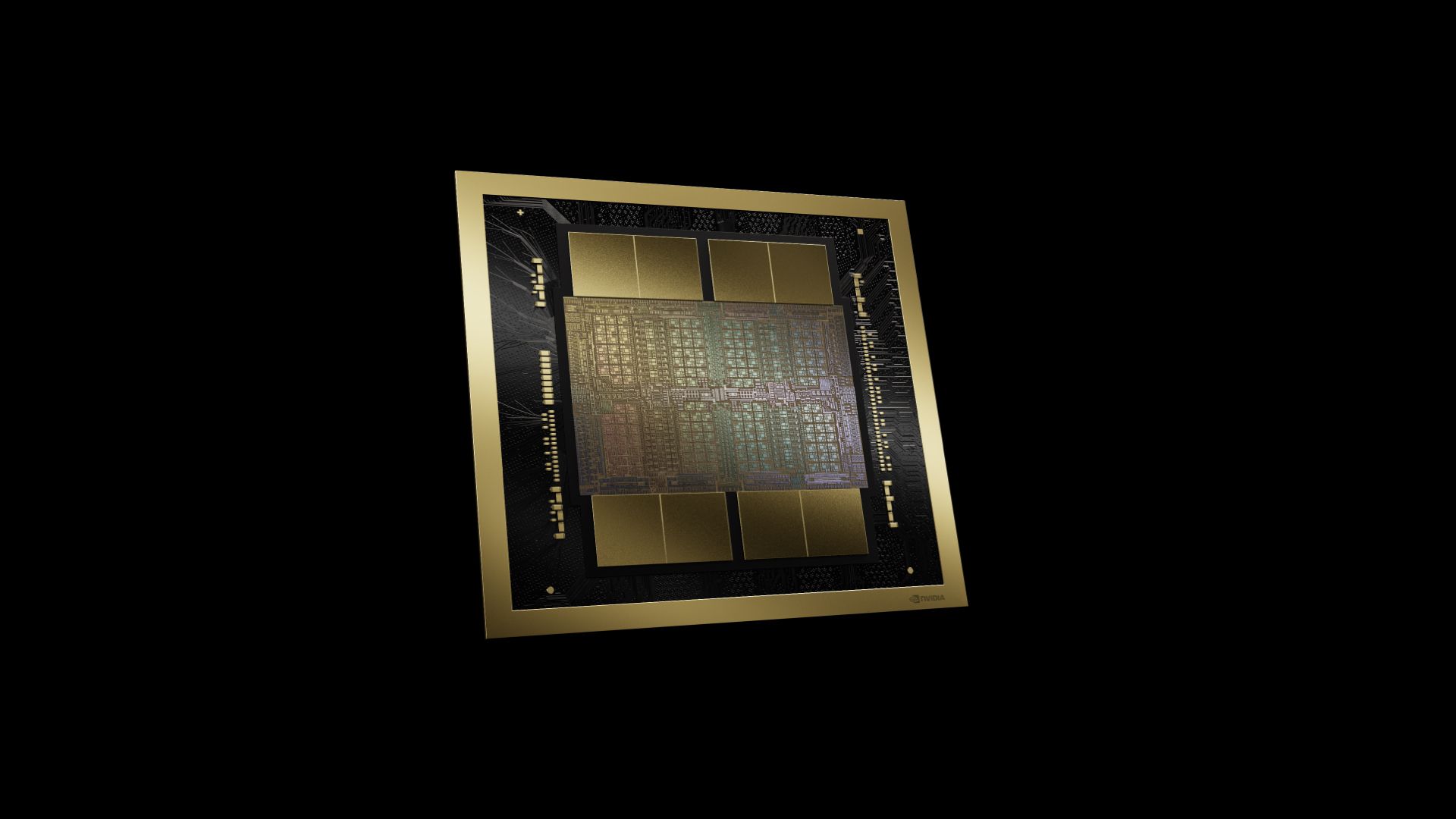
- The method is research-only, requiring two Nvidia B200 GPUs and about 7.3 days to compress the data.
- A 4K-word tokenizer and smaller model sizes proved more effective than larger alternatives in this specific test.
This approach currently holds the smallest result on the Large Text Compression Benchmark among entries using only neural networks for prediction.
The process involves a two-stage training method. A smaller, 34-million-parameter starter model is trained offline and included in the final file to help unpack the data. Once deployed, the full 12-layer model learns online by predicting and training on each token as it is processed. This self-contained language model rebuilds itself alongside the text, ensuring the decompression side mirrors the compression steps exactly.
While the compression is lossless, the method is computationally intensive and intended for research rather than consumer use. Compressing or decompressing the file requires two Nvidia B200 GPUs and takes approximately 7.3 to 7.5 days. The study highlights that smaller vocabularies and model sizes can sometimes outperform larger ones, challenging the assumption that bigger models always yield better compression results.
The headline, key points and digest above were generated by Digest AI's editorial model from the linked sources. Automated summaries can contain errors: the sources are the record. Spotted a mistake? Tell us. Published by Martin K., who runs Digest AI and handles corrections.
More in Research
All →- Benchmark shows models fail on idioms, local knowledge despite Reasoning gains · 1 src
- Two groups verify Levent Alpöge's Claude-assisted Riemann hypothesis proof · 6 src
- Google DeepMind cuts quantum circuit costs with Gemini 4 agents · 2 src
- AI math proofs need human explanation to become knowledge, essay argues · 1 src
- The birthday paradox shows small LLMs pick from about 6 of 40 words · 1 src
Comments
via GitHub Discussions