AI boosts automotive defect detection by 90% per McKinsey study
Automotive manufacturers face steep costs from quality failures: the U.S. spent $20.81 billion on warranty claims in 2025, with 29 million vehicles recalled due to overlooked defects. Traditional inspection relies on human sampling, but AI now enables real-time monitoring of every part, catching anomalies before they escalate into defects.
Key points
- AI-powered inspection detects **90% more defects** than traditional methods, per McKinsey research
- Systems learn over time, adjusting machine tolerances to maintain product specs automatically
- Manufacturers must define clear goals and combine quality expertise with AI skills to scale AI adoption
A McKinsey report cites manufacturers detecting 90% more defects with AI-driven systems. These tools learn from historical data, adjusting machine tolerances in real time—reducing scrap, rework, and first-pass yield losses. Success hinges on targeting specific pain points, setting measurable goals, and bridging gaps between quality teams and data scientists. The shift turns quality control from a reactive safeguard into a proactive strategic lever, critical as EV complexity and global supply chains grow.
How AI Is Changing Automotive Quality Control
Unite.AI · 14 October 2026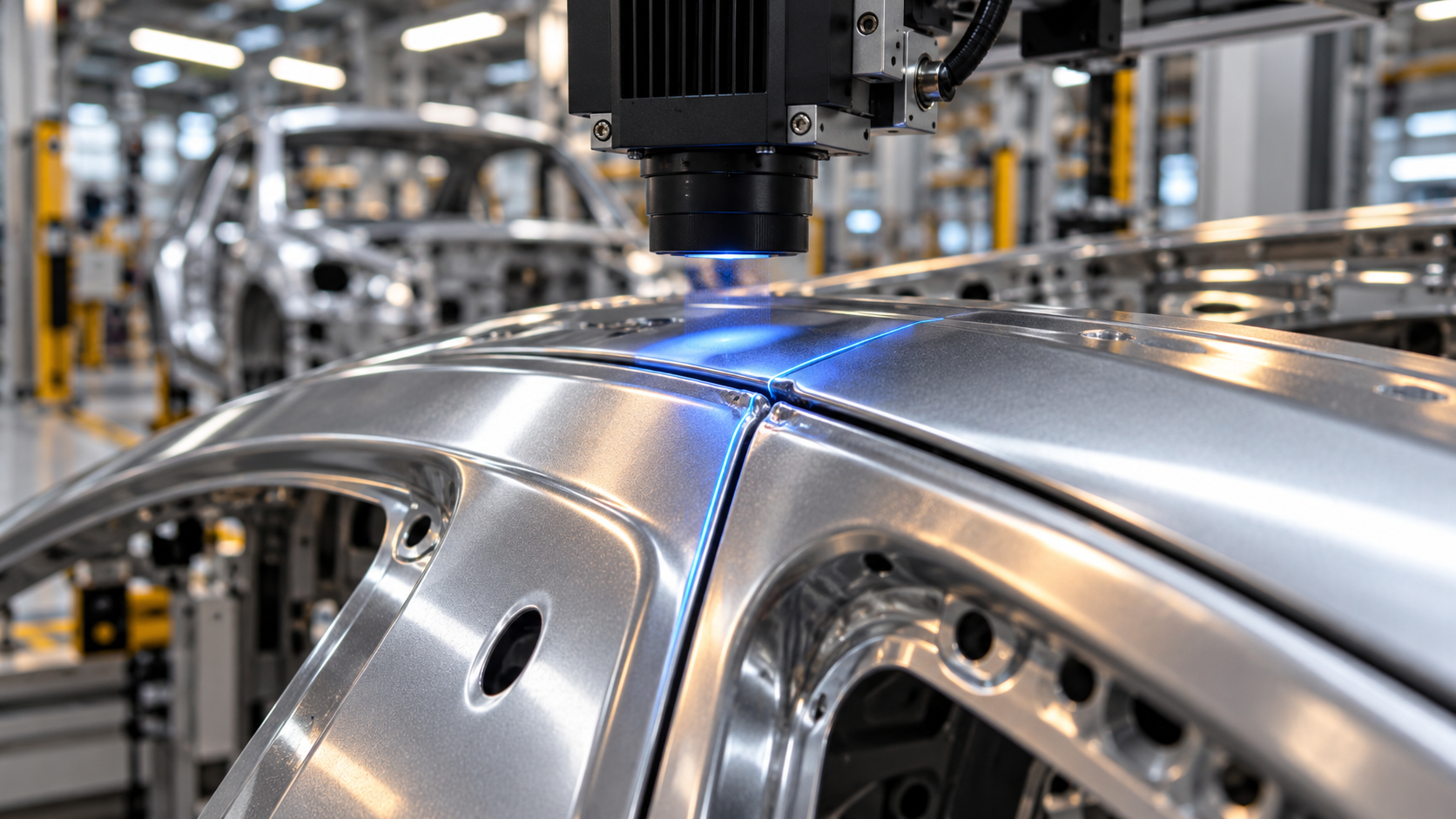
Loading the full article…
This text was published by Unite.AI and written by Bill Sarver, Director - Global Industry Consulting, Automotive & Tire, Rockwell Automation. It is reproduced here with attribution so you can read it in full; the rights remain with the publisher. Read it at the source ↗
The headline, key points and digest above were generated by Digest AI's editorial model from the linked sources. Automated summaries can contain errors: the sources are the record. Spotted a mistake? Tell us. Published by Martin K., who runs Digest AI and handles corrections.
More in Enterprise & Industry
All →- AWS automates PowerPoint creation with Bedrock AgentCore in 90 seconds · 1 src
- Tamnoon builds AI remediation agent Tami on Amazon Bedrock to cut cloud risks by 90% · 1 src
- Baseten adds Runway’s Gen-4.5 and Aleph 2.0 to dedicated inference · 1 src
- Anthropic invests $100M to train 10,000 deployed AI engineers by 2027 · 2 src
- Artemis Security launches Orion-1 to detect and respond to cyberattacks autonomously · 1 src
Comments
via GitHub Discussions