MIT and Cornell researchers show test-time adaptation improves AI text detection
Researchers from MIT and Cornell University have demonstrated a method to make AI text detectors more resilient against evolving writing styles and deceptive AI-generated content. In a paper to be presented at the Conference on Neural Information Processing Systems, the team utilized a technique called test-time adaptation (TTA). This approach allows a deployed detection model to adjust its…
Key points
- Test-time adaptation allows AI detectors to adjust to new, unlabeled data without full retraining.
- TTA achieved 93 percent accuracy on disguised AI text, compared to 27 percent for commercial tools.
- Researchers warn that future LLMs may make distinguishing human from AI writing increasingly difficult.
The study highlights that current commercial detectors often fail due to distribution shifts, such as changes in human writing habits over time or the use of "humanizer" tools to disguise AI text. In experiments, a standard commercial detector identified only about 27 percent of disguised AI-generated text. In contrast, the model using TTA achieved 93 percent accuracy on the same task. For natural shifts in human writing, the TTA-based detector reached 85 percent accuracy, compared to 73 percent for traditional methods.
Lead author Kevin Ren, a graduate student at Cornell Tech, and co-authors Manish Raghavan from MIT and Nikhil Garg from Cornell Tech argue that TTA helps address the ongoing cat-and-mouse game between detector developers and users trying to bypass them. However, the researchers caution that as future large language models produce more natural-sounding text, the problem may become harder to solve. They note that it is not entirely clear if distinguishing between human and AI content will remain feasible in the long term.
Helping AI text detectors keep up with changing conditions
MIT News on AI · 18 November 2026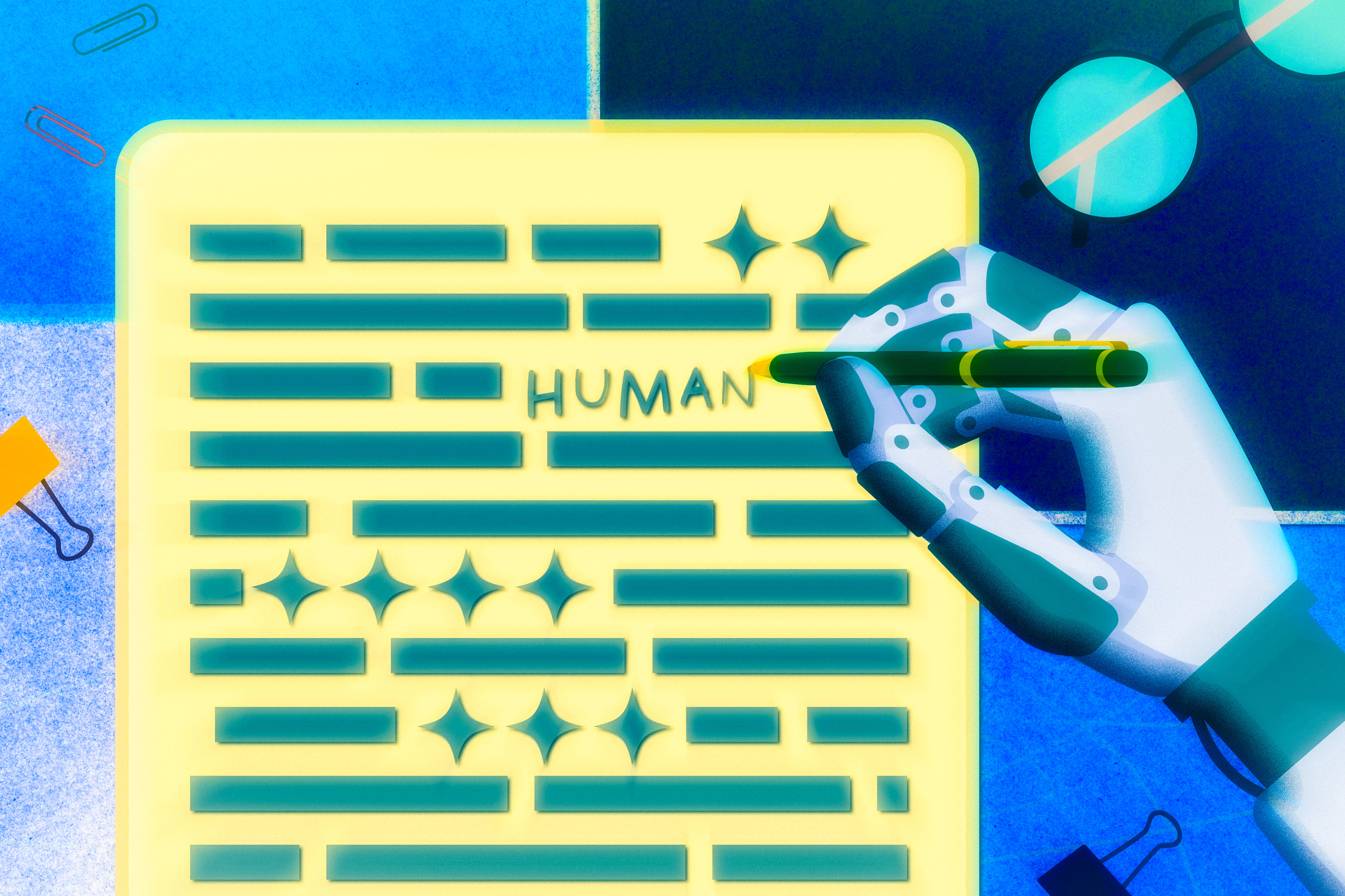
Loading the full article…
This text was published by MIT News on AI and written by Adam Zewe | MIT News. It is reproduced here with attribution so you can read it in full; the rights remain with the publisher. Read it at the source ↗
The headline, key points and digest above were generated by Digest AI's editorial model from the linked sources. Automated summaries can contain errors: the sources are the record. Spotted a mistake? Tell us. Published by Martin K., who runs Digest AI and handles corrections.
More in Research
All →- Google DeepMind cuts quantum circuit costs with Gemini 4 agents · 1 src
- Hi-TPH dataset improves T cell receptor binding predictions · 1 src
- OpenAI releases 'yardstick for intelligence': Let's pause here · 1 src
- Hugging Face outlines steps for building and maintaining agentic evaluations · 1 src
- Apple launches 200,000-person study on health AI trust with OpenEvidence · 1 src
Comments
via GitHub Discussions