MIT professor Jacob Andreas develops methods for AI models to explain themselves
Jacob Andreas, a newly tenured associate professor at MIT’s EECS department and CSAIL, is leading research that lets AI systems describe their own internal processes in human‑readable language. His team trains large language models to assign natural‑language captions to individual neural‑network nodes, such as labeling a node that detects “patches of grass near animals.”
Key points
- Jacob Andreas' MIT group trains large language models to generate natural‑language descriptions of internal neural‑network nodes
- The team creates algorithms to predict how training data influences model behavior, addressing a gap in scientific theory
- Andreas stresses interpretability as vital for safe AI deployment in high‑stakes and scientific discovery contexts
The group also builds algorithms that predict how specific datasets will shape model behavior, tackling the field’s current lack of a solid scientific theory for training outcomes. Andreas says these interpretability tools are essential for deploying advanced AI safely in high‑stakes settings and for enabling models to aid scientific discovery.
He notes the rapid pace of AI progress forces constant course updates for his students and underscores that a deep understanding of model internals will differentiate future engineers in a world where coding agents handle many tasks.
Learning the language of machine learning
MIT News on AI · 17 November 2026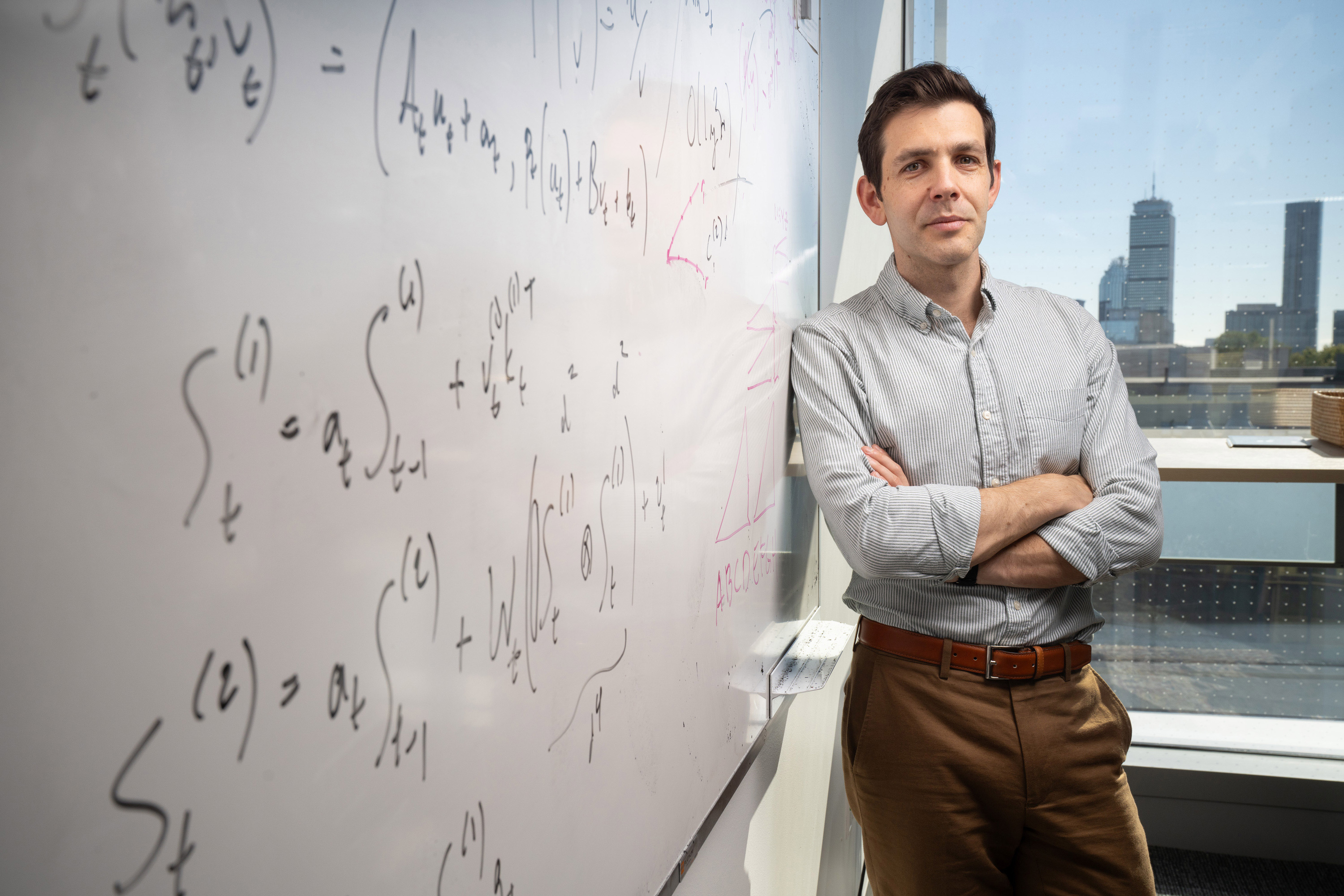
Loading the full article…
This text was published by MIT News on AI and written by Adam Zewe | MIT News. It is reproduced here with attribution so you can read it in full; the rights remain with the publisher. Read it at the source ↗
The headline, key points and digest above were generated by Digest AI's editorial model from the linked sources. Automated summaries can contain errors: the sources are the record. Spotted a mistake? Tell us. Published by Martin K., who runs Digest AI and handles corrections.
More in Research
All →- Google DeepMind cuts quantum circuit costs with Gemini 4 agents · 1 src
- Hi-TPH dataset improves T cell receptor binding predictions · 1 src
- OpenAI releases 'yardstick for intelligence': Let's pause here · 1 src
- Hugging Face outlines steps for building and maintaining agentic evaluations · 1 src
- Apple launches 200,000-person study on health AI trust with OpenEvidence · 1 src
Comments
via GitHub Discussions