Multi-agent systems split tasks across AI agents for better results
A multi-agent system uses two or more AI agents with distinct roles to solve problems, coordinate work, or operate in shared environments. Agents can run tasks in parallel, specialize in different areas, or verify each other’s outputs. This architecture is not automatic—it requires clear roles, communication protocols, and governance rules to avoid redundancy, errors, or resource waste.
Key points
- Agents must have distinguishable roles, state, or objectives to create meaningful multi-agent systems
- Parallelism and specialization improve coverage but increase costs and coordination overhead
- Anthropic’s multi-agent system uses more tokens than ordinary chat interactions
The approach dates back to robotics and economics but gains traction with large language models. Agents can exchange natural language or structured messages, but communication adds complexity. A lead agent might delegate subtasks to specialists, while others debate or critique proposals. Anthropic’s research system uses this model for parallel searches, combining findings under strict rules. However, multi-agent systems consume far more tokens and resources than single-agent ones, according to Anthropic’s internal measurements. They excel at broad, decomposable tasks like due diligence but introduce risks like error amplification or goal drift if not designed carefully.
What Are Multi-Agent Systems? When Multiple AI Agents Work Better Than One
Unite.AI · 25 September 2026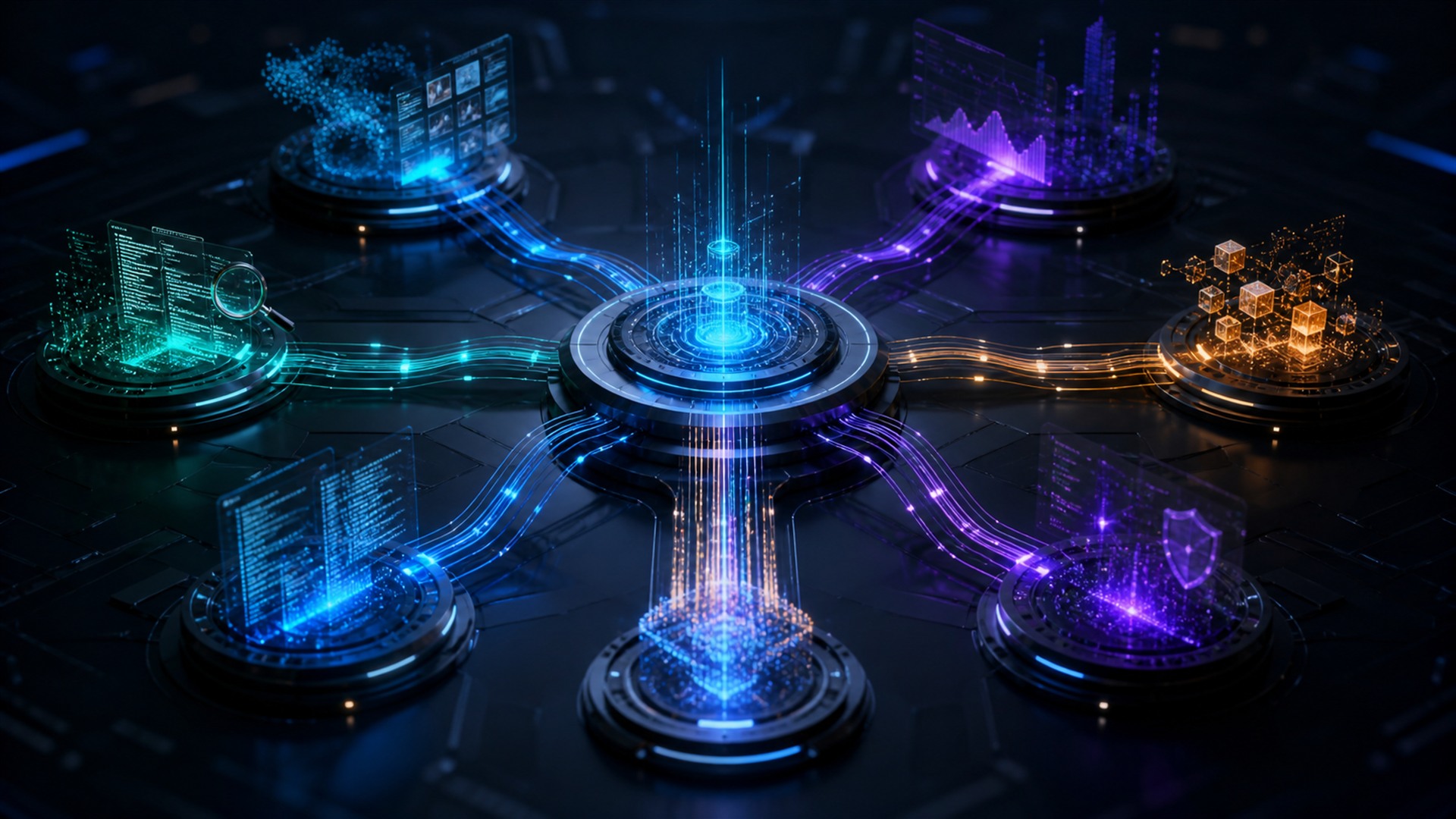
Loading the full article…
This text was published by Unite.AI. It is reproduced here with attribution so you can read it in full; the rights remain with the publisher. Read it at the source ↗
The headline, key points and digest above were generated by Digest AI's editorial model from the linked sources. Automated summaries can contain errors: the sources are the record. Spotted a mistake? Tell us. Published by Martin K., who runs Digest AI and handles corrections.
More in Agents & Tools
All →- Opinion: exploring AI‑IR, an intermediate language for ChatGPT and Grok · 2 src
- Meta's AI agent Muse draws 500,000 users in its first week · 5 src
- Claude Opus 5.5 outperforms ChatGPT-6 in four of five tests · 1 src
- Parcha Labs releases AgentRun DSL beta for building agent workflows · 1 src
- Researchers propose skilder framework to limit LLM agent tool access · 1 src
Comments
via GitHub Discussions