NVIDIA and Google DeepMind release 2,800 viral protein structures
NVIDIA has joined a coalition including Google DeepMind and the European Molecular Biology Laboratory’s European Bioinformatics Institute (EMBL-EBI) to release predicted 3D structures for protein complexes of more than 2,800 viruses. The data is openly available to scientists worldwide through the AlphaFold Database. The structures were generated using AlphaFold2, Google DeepMind’s AI model,…
Key points
- NVIDIA and Google DeepMind released predicted 3D structures for over 2,800 viruses.
- The dataset is openly available via the AlphaFold Database for global scientific use.
- NVIDIA released the BioNeMo Structure Prediction Pipeline for researchers to use.
This collaboration aims to prepare for future pandemics by stockpiling structural knowledge ahead of time. An analysis by the Center for Global Development estimates a roughly 50% chance of a pandemic as severe as COVID-19 occurring by 2050. Joe Grove, a professor at the University of Glasgow, noted that the next pandemic may involve a novel virus lacking prior research, making this pre-emptive data crucial. The dataset includes about 30% of protein interactions that are completely new to science, offering insights not previously documented in the Protein Data Bank.
NVIDIA is also openly releasing the BioNeMo Structure Prediction Pipeline, a GPU-accelerated workflow that allows researchers to predict 3D structures for their own targets. Traditional methods for determining these structures can take years and cost thousands of dollars per structure, whereas the AI-based method predicts structures in minutes. The release coincides with a United Nations General Assembly meeting on pandemic prevention in New York City, contributing to a database that now holds more than 260 million protein predictions.
How Open Science Can Help Researchers Prepare for the Next Pandemic
NVIDIA Blog · 24 September 2026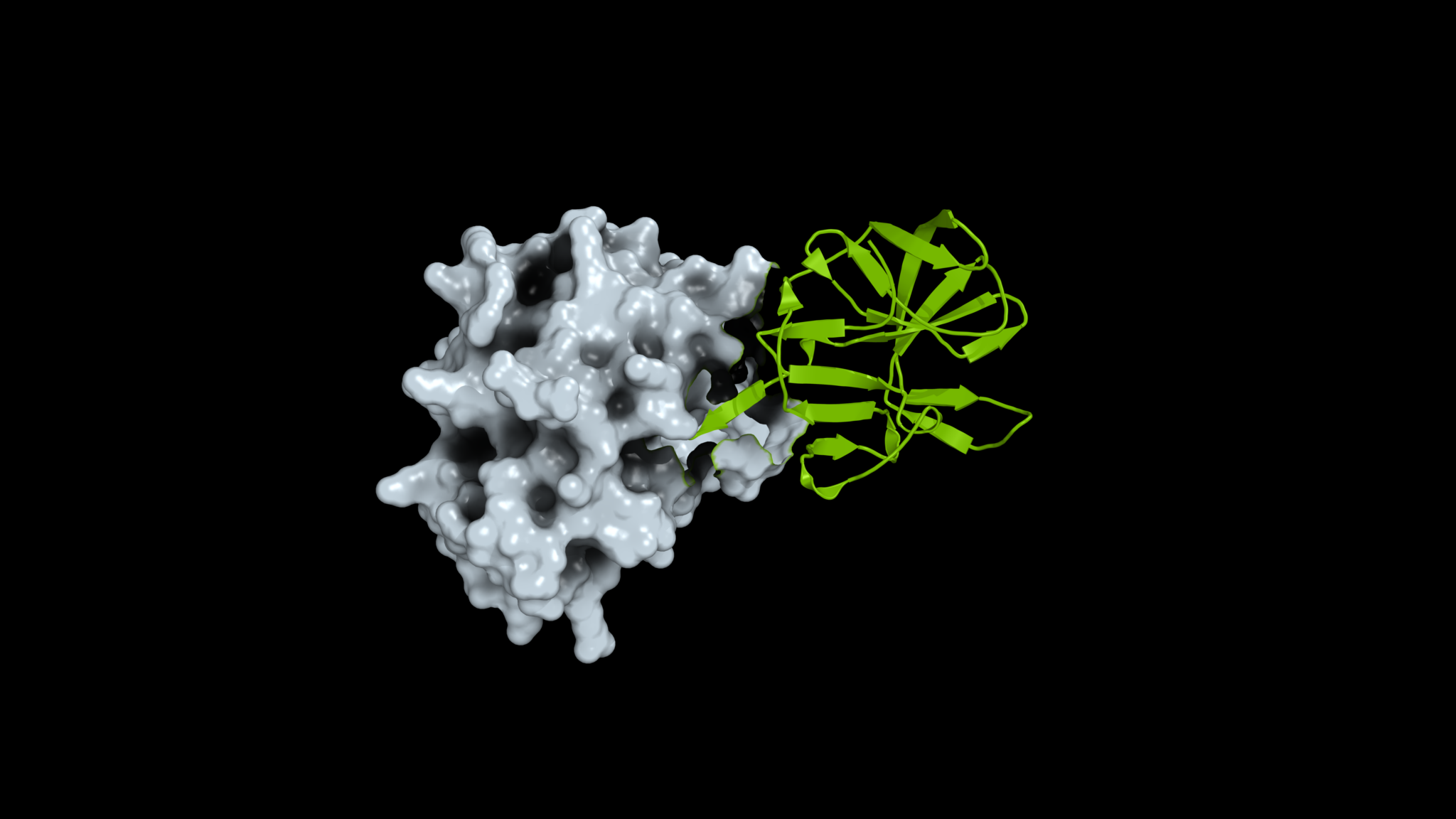
Loading the full article…
This text was published by NVIDIA Blog and written by Anthony Costa. It is reproduced here with attribution so you can read it in full; the rights remain with the publisher. Read it at the source ↗
The headline, key points and digest above were generated by Digest AI's editorial model from the linked sources. Automated summaries can contain errors: the sources are the record. Spotted a mistake? Tell us. Published by Martin K., who runs Digest AI and handles corrections.
More in Research
All →- Microsoft Copilot AI predicts bitcoin could reach $180,000 by early 2027 · 2 src
- MIT researchers develop tool to estimate suicide risk from Text messages · 1 src
- Anthropic's Claude discovers new enzyme system ART resembling crispr · 17 src
- Study finds AI experts underestimated progress on benchmarks and adoption · 1 src
- Sakana AI hires Schmidhuber as chief scientific advisor · 1 src
Comments
via GitHub Discussions