Vishay argues robots should follow workflows, not flashy designs
Ron Zukerman, innovation director at Vishay Precision Group Inc., argues that the robotics industry prioritizes flashy, humanoid designs over practical, workflow-driven engineering. He contends that starting with a task—rather than a physical platform—determines the necessary hardware, sensors, and form factor, ensuring cost-effective and reliable deployment.
Key points
- Humanoid robots often prioritize flashy designs over practical workflow needs, says Vishay’s Ron Zukerman
- Specialized robots work best in greenfield sites; humanoids adapt better in brownfield environments like factories
- Strain-based sensing and MTBI metrics matter more than viral demo videos for real-world deployment
Zukerman highlights that specialized robots excel in greenfield sites, where environments can be tailored to their needs, while humanoid designs prove more adaptable in brownfield settings like existing factories. He emphasizes the importance of metrics like mean time between interventions (MTBI), cost per unit of work, and redeployment time over viral demo videos. Strain-based sensing, integrated early in design, ensures durability and precision, addressing real-world challenges like thermal variation and mechanical drift.
Will ‘boring’ robots win in the real world? Why robotic form should follow workflow
The Robot Report · 11 October 2026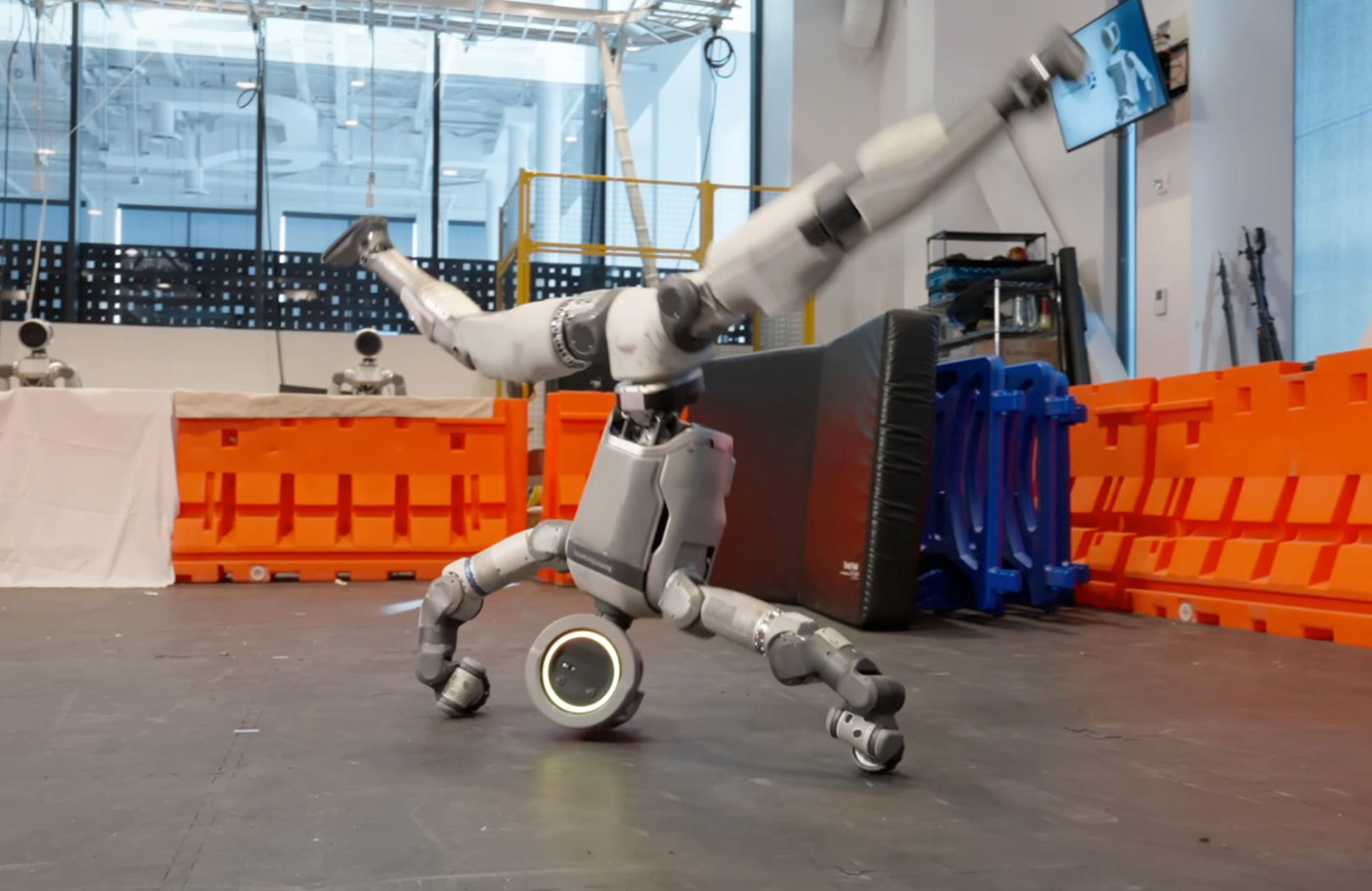
Loading the full article…
This text was published by The Robot Report and written by Ron Zukerman. It is reproduced here with attribution so you can read it in full; the rights remain with the publisher. Read it at the source ↗
The headline, key points and digest above were generated by Digest AI's editorial model from the linked sources. Automated summaries can contain errors: the sources are the record. Spotted a mistake? Tell us. Published by Martin K., who runs Digest AI and handles corrections.
More in Robotics & Physical AI
All →- Dyna Robotics deploys Dyna-2.1 robots folding napkins at Din Tai Fung with 99.4% success rate · 1 src
- Hello Robot and A&K Robotics to discuss indoor robot navigation at RoboBusiness 2026 · 1 src
- UCLA builds PhoneBot humanoid from smartphone and $400 hardware · 1 src
- Atomic Machines raises $250M to build tiny machines from code with AI · 1 src
- Minerva unveils VR-controlled humanoid Roger for bomb disposal with $10M funding · 1 src
Comments
via GitHub Discussions