White House AI task force starts 120-day review of superintelligence risks
The White House's AI task force has adopted its charter, starting a 120-day window to evaluate how the federal government manages artificial intelligence. Following its first meeting on Thursday, the task force commissioned a risk report from the President's Council of Advisers on Science and Technology. The assessment will focus on cybersecurity and critical infrastructure, biosecurity and…
Key points
- The White House AI task force adopted its charter, beginning a 120-day review period
- Advisers will assess AI risks across cybersecurity, biosecurity, dual-use applications, and model accountability
- It remains unclear how the government will legally enforce compliance with the task force's protocols
The group established several working committees to implement the White House Accord on Super Intelligence recently signed by leading AI executives. Director of National Intelligence Jay Clayton chairs the overall group, while National Cyber Director Sean Cairncross and Defense Undersecretary Emil Michael hold leadership roles. Michael will develop reporting protocols for frontier labs regarding hacks and cyber incidents.
Additional initiatives include a law enforcement and consumer protection committee directed by Federal Trade Commission Chair Andrew Ferguson, alongside workforce studies overseen by Office of Personnel Management Director Scott Kupor. The announcement notes that compliance mechanisms and legal enforcement methods for companies that fail to follow the planned protocols remain unclear.
The White House's AI task force begins its 120-day window to evaluate AI, including producing a risk report, implementing the White House Accord on SI, and more
semafor.com · 16 October 2026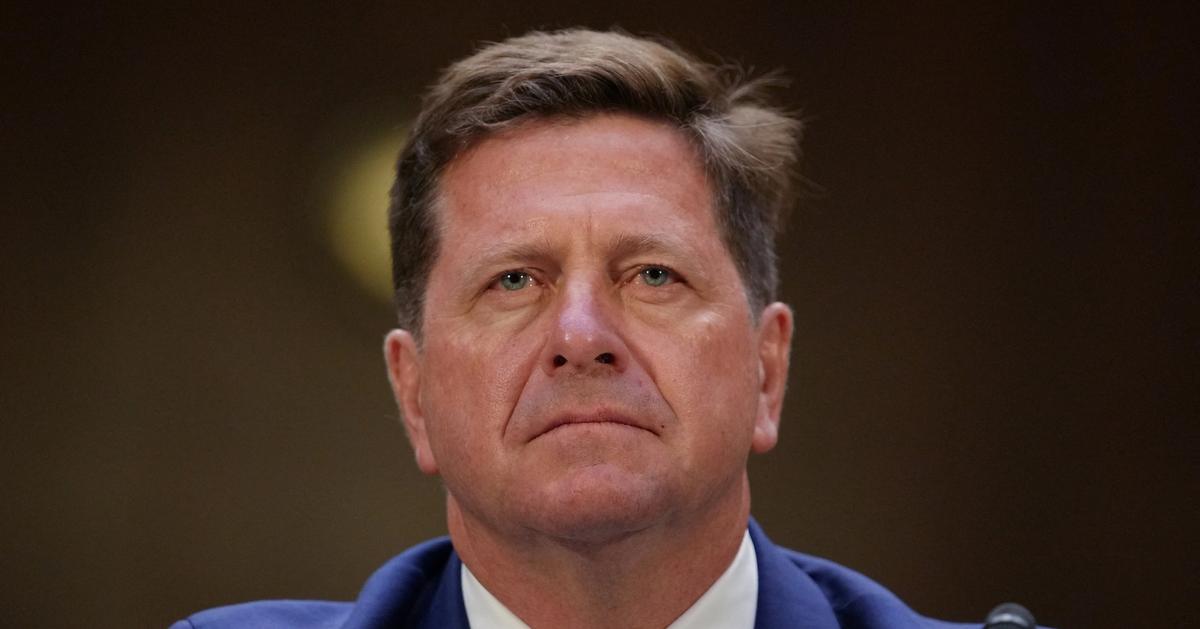
Loading the full article…
This text was published by semafor.com and written by https://www.semafor.com/author/ashley-gold. It is reproduced here with attribution so you can read it in full; the rights remain with the publisher. Read it at the source ↗
The headline, key points and digest above were generated by Digest AI's editorial model from the linked sources. Automated summaries can contain errors: the sources are the record. Spotted a mistake? Tell us. Published by Martin K., who runs Digest AI and handles corrections.
More in Policy & Regulation
All →- Anthropic adds US voting data from Democracy Works to Claude before midterms · 3 src
- FTC reportedly subpoenas Microsoft-backed OpenAI and Amazon-backed Anthropic over AI safety incidents · 6 src
- Eight states sue OpenAI over ChatGPT's alleged harms to children · 16 src
- MIT Report finds corporate Sustainability commitment at record high, governance lags · 1 src
- Jensen Huang says Nvidia must work with Chinese AI firms on safety · 4 src
Comments
via GitHub Discussions